About Sushi

The culinary phenomenon of sushi begin in Japan, but rather as an ancient fish preservation method in Southeast Asia along the Mekong River. It evolved over a thousand years from a pungent, fermented survival food into the fresh, fast-paced delicacy we recognize today.

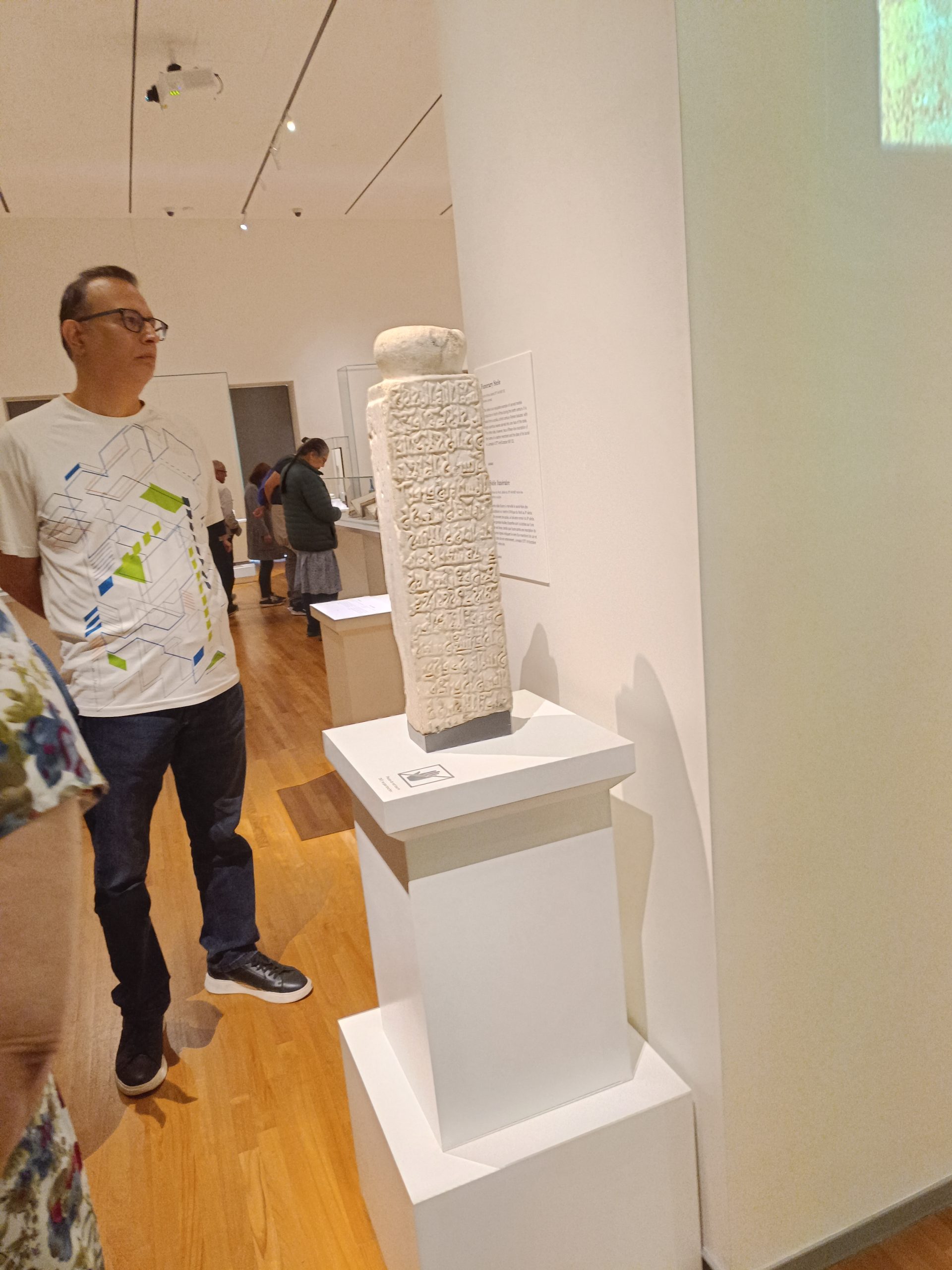
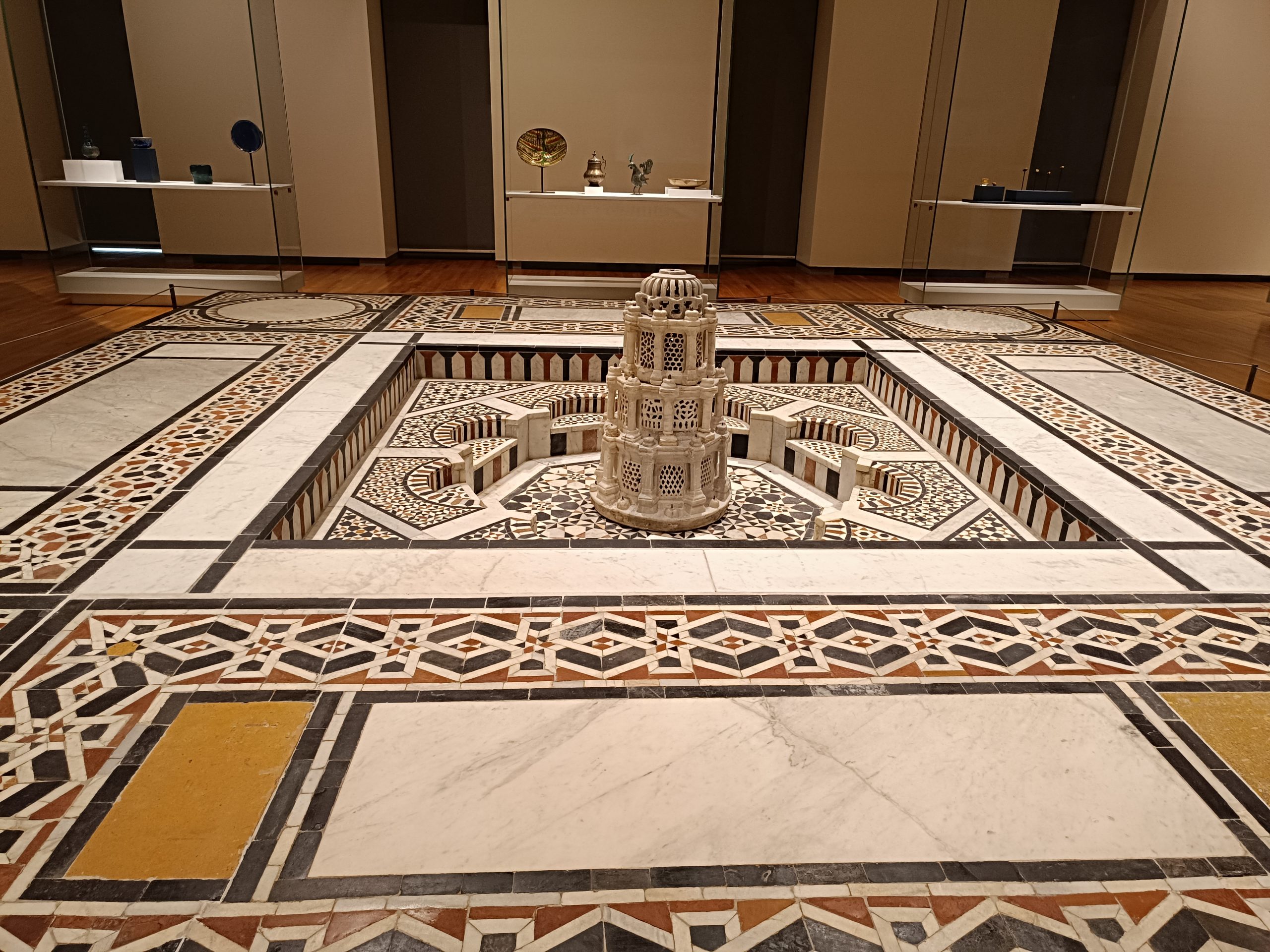
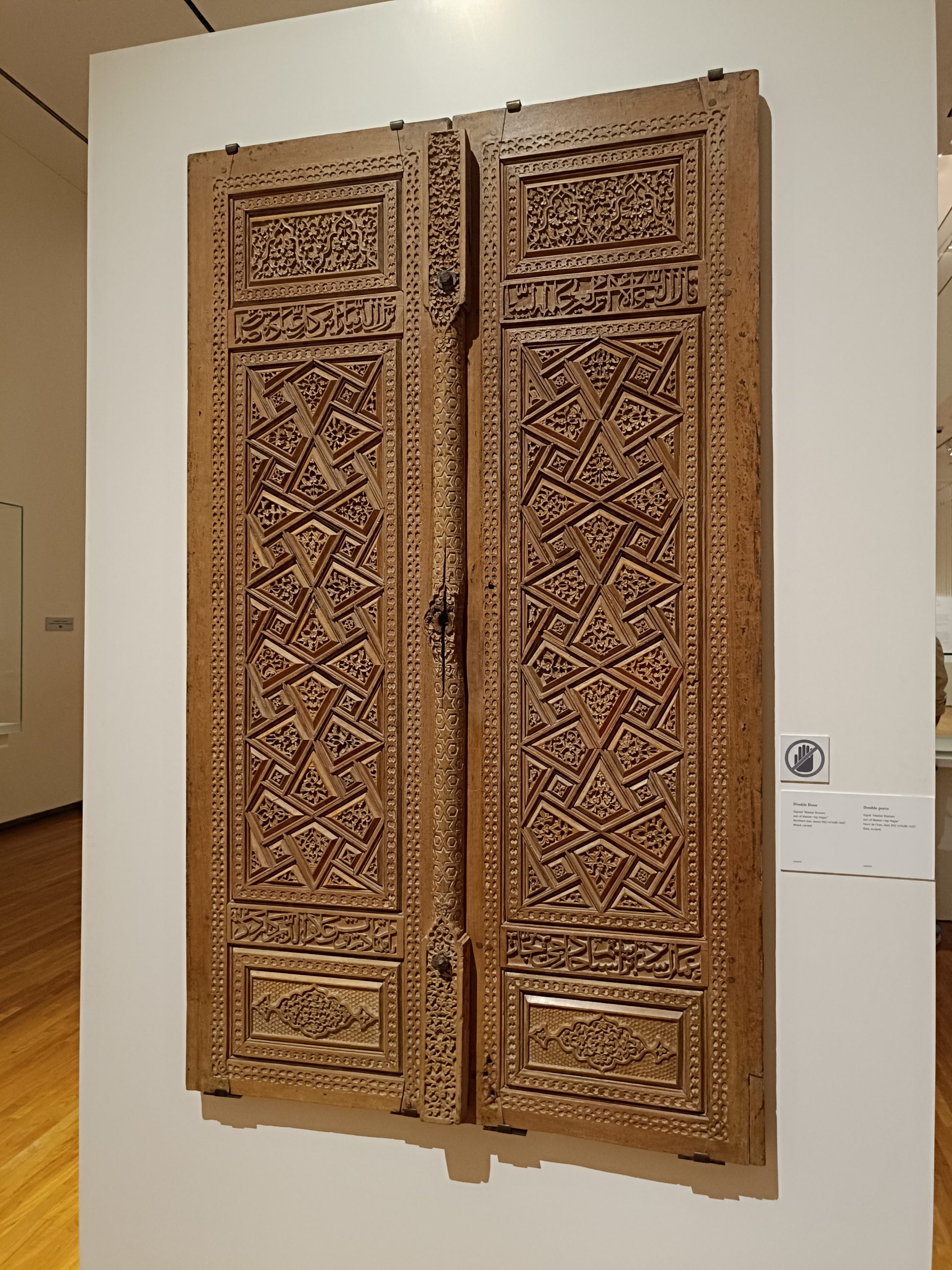
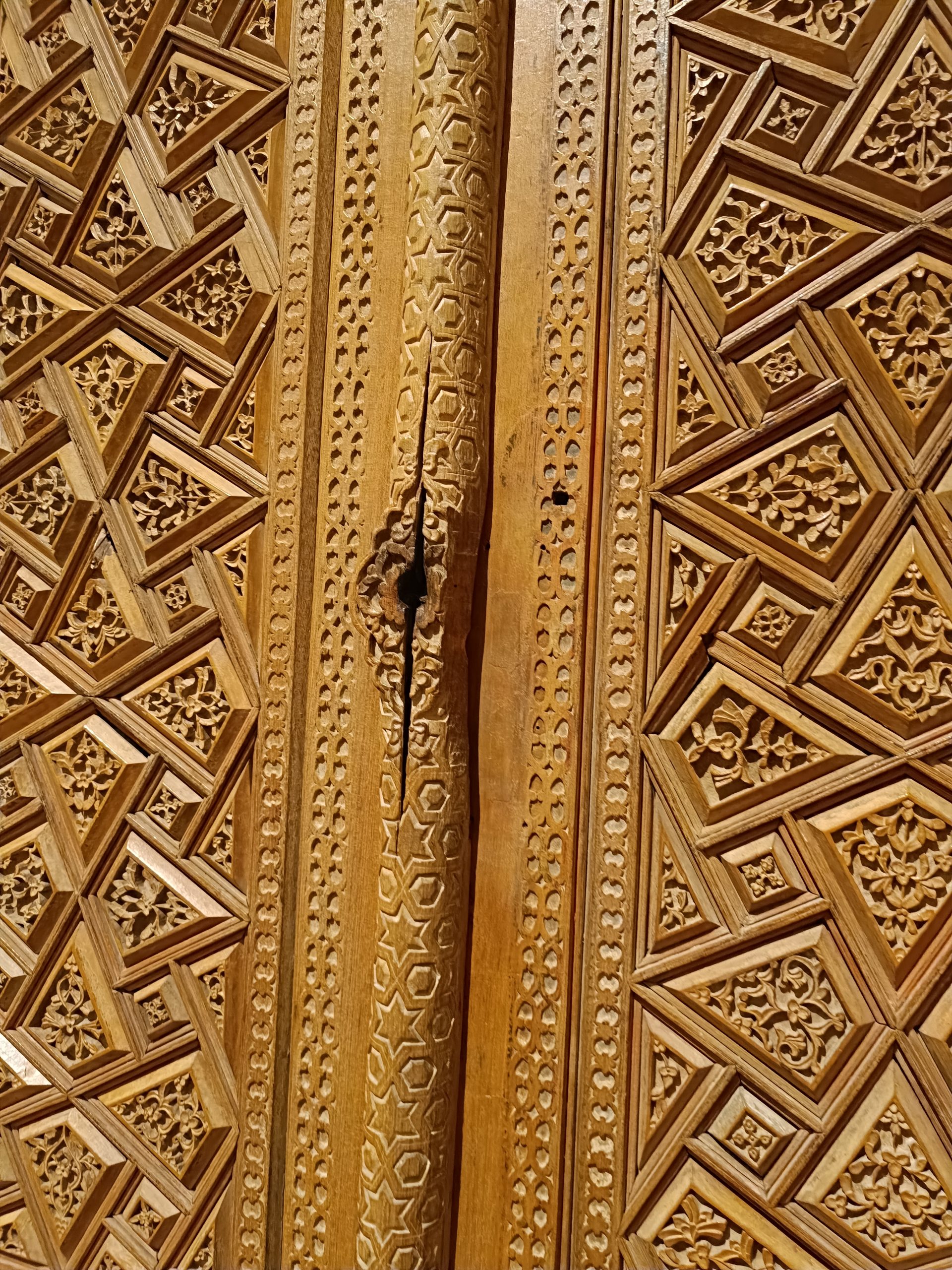
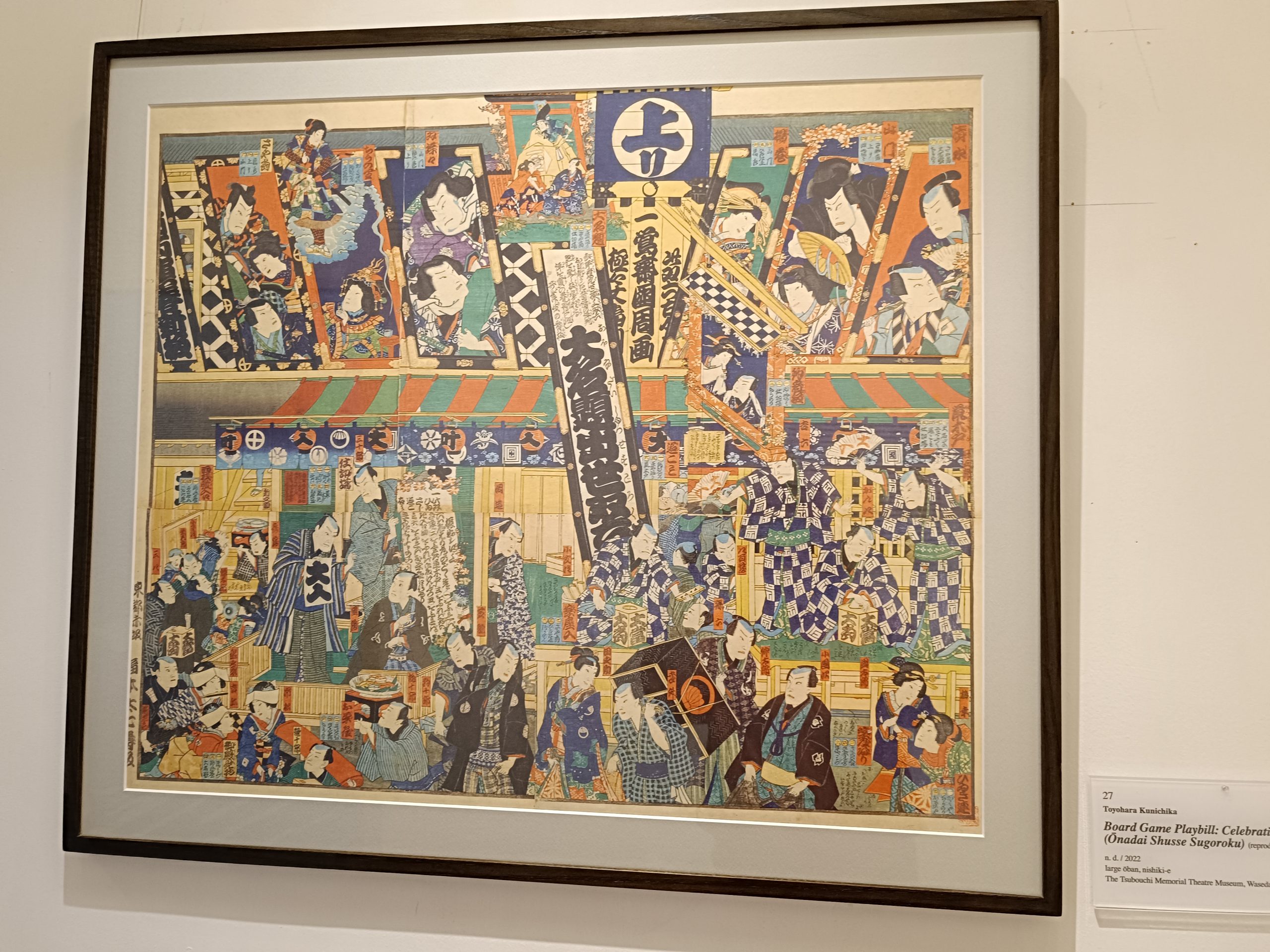
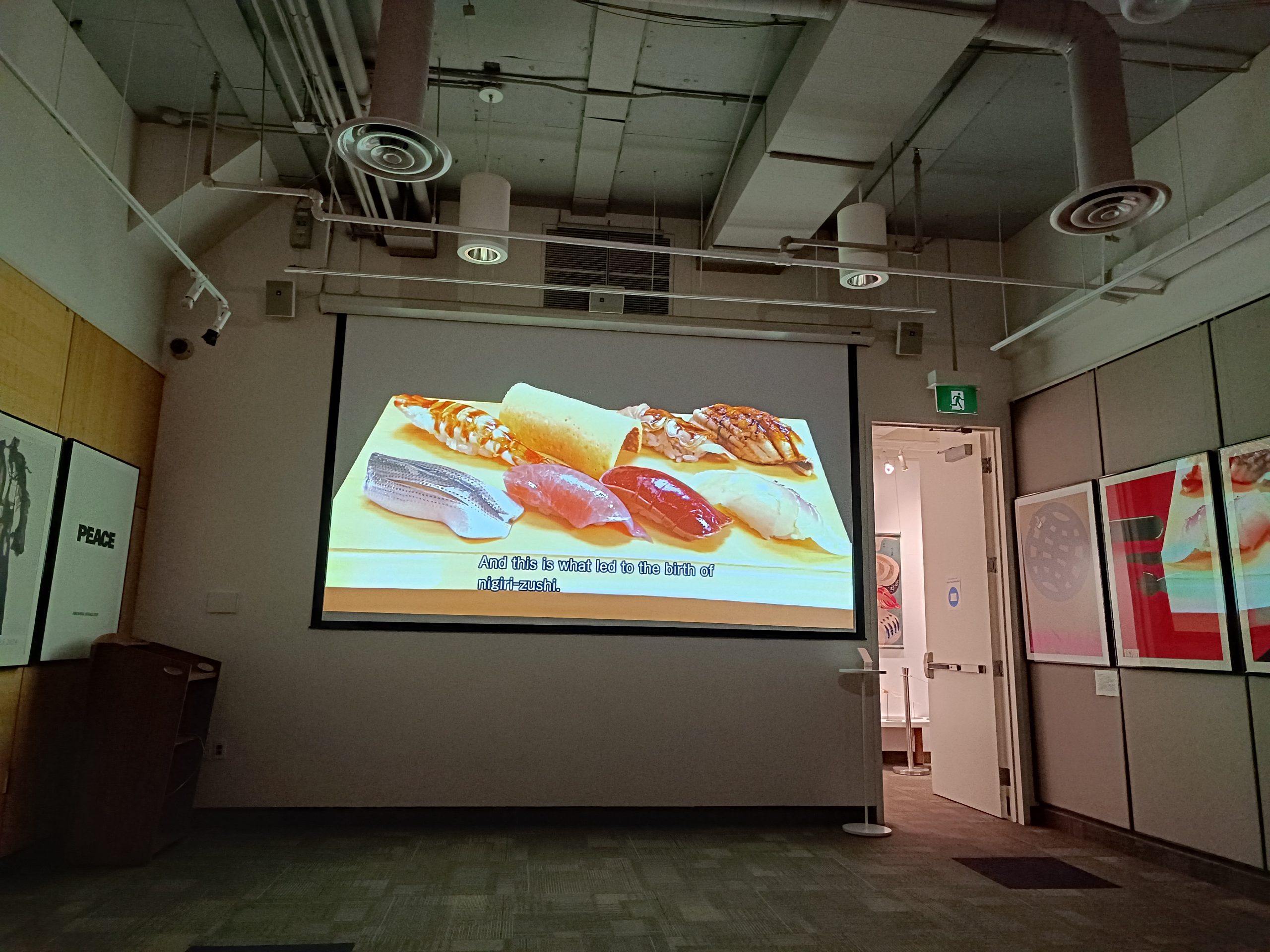
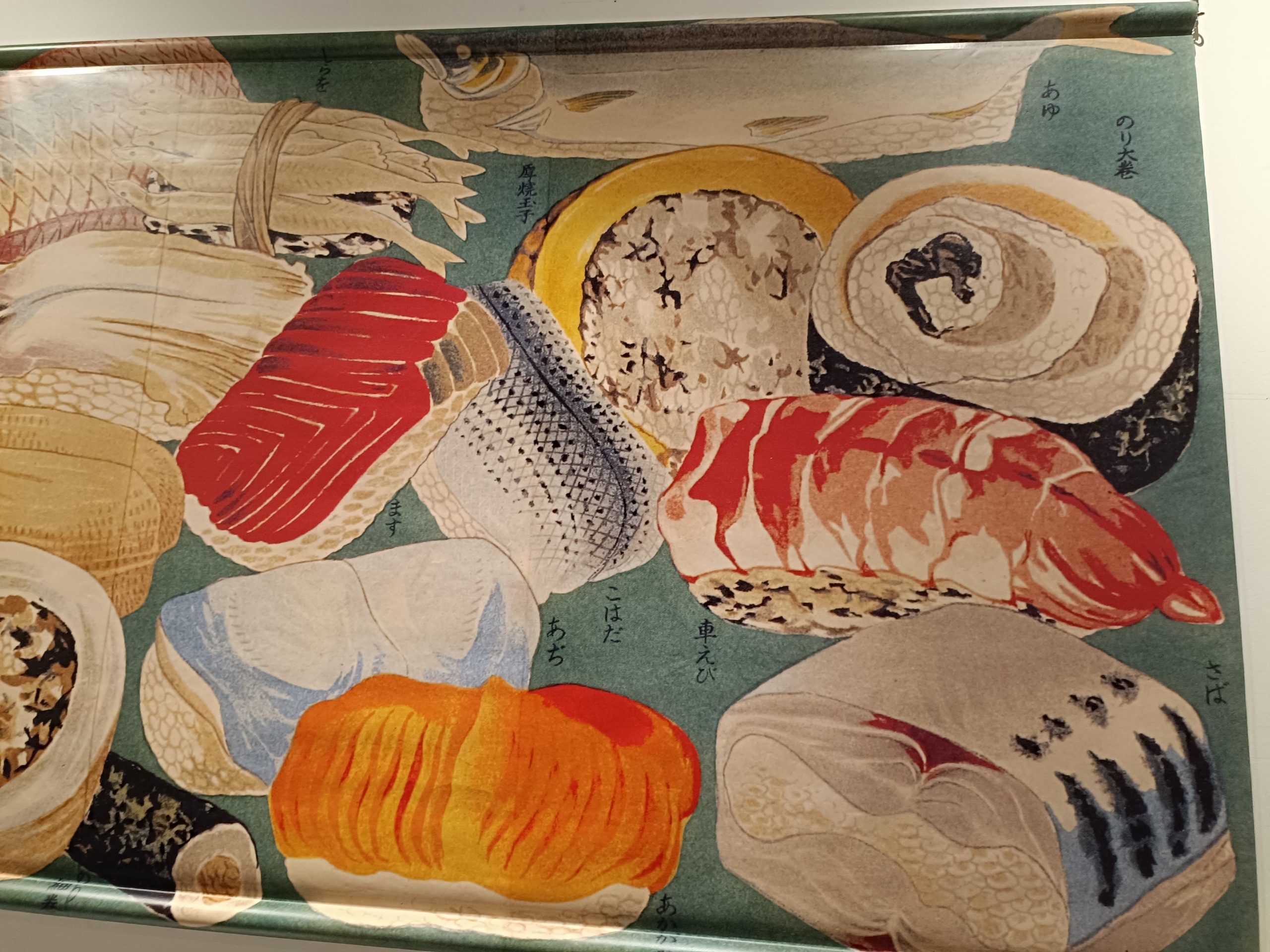
The oldest form of sushi was as a method used in 2nd – 8th Century in Japan to preserve freshwater fish by packing it with salted, fermenting rice. The rice produced lactic acid to keep the fish from rotting. Crucially, the fermented rice was discarded because it turned mushy and foul-smelling—only the preserved fish was consumed.This is named Narezushi sushi and long history about this sushi I received from sources at the exhibition in Japanease Foundation this week.

Long before reaching Japan, the technique emerged in Southeast Asia—specifically along the Mekong River basin (modern-day Laos, Thailand, Cambodia) and Myanmar. Indigenous groups devised a way to scale, gut, salt, and pack freshwater river fish into barrels with cooked rice.

As the mixture sat, natural lactic acid bacteria consumed the rice carbohydrates. The resulting lactic acid acted as a heavy chemical shield, preventing standard decomposition bacteria from rotting the meat.

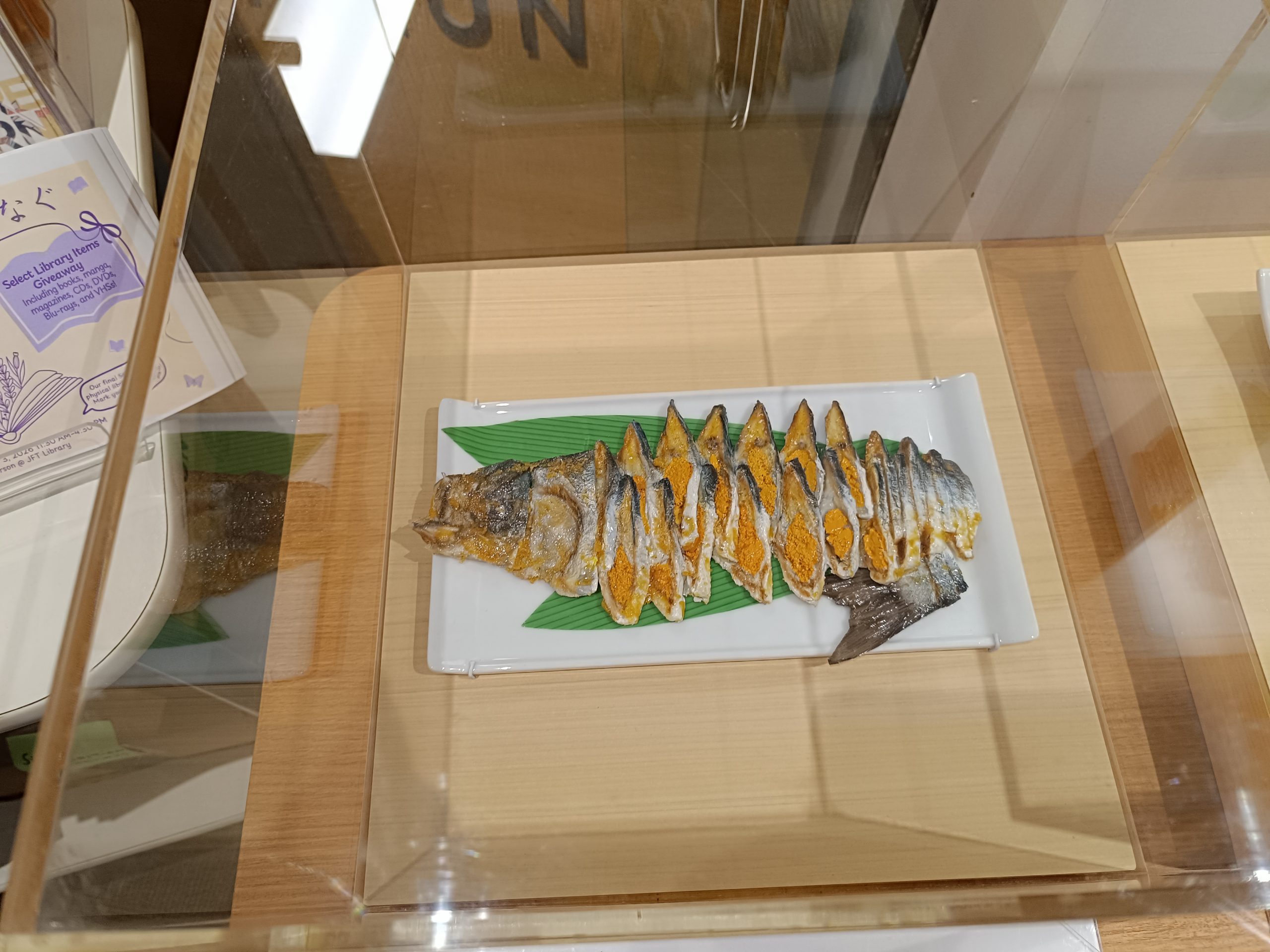
By the 2nd to 4th century CE, the method spread into southern China, where it reached peak popularity during the Song Dynasty. It migrated to Western Japan around the Yayoi Period and in appearance, it bore no resemblance whatsoever to our concept of sushi as such. It was the great-grandfather of our modern method of preparing sushi.The exhibition featured models of the earliest sushi and screened a film about its history.

Modern sushi is all about fresh, delicate seafood and eating the vinegared rice. Original narezushi was the complete opposite.Unlike the light taste of a modern roll, narezushi is notoriously pungent and incredibly sour. Scientifically, its odor profile has been measured as one of the most intense food smells in the world (often compared to an intensely sharp, aged blue cheese).

While modern nigiri dominates global cuisine, you can still eat authentic, ancient-style narezushi in a few historic pockets of Japan.

This technology has now been improved and is used in some dishes with certain types of fish. For example, for mackerel-boasting an 800-year history, mackerel is packed with rice and wrapped tightly in leaves. Because it’s only fermented for a few days, the rice is intentionally eaten alongside the fish.

For wild carp-aged up to 2–3 years. The fish bones completely soften, and the local delicacy is thinly sliced—often prized for its orange, cheese-like roe—and paired with sake.

As the practice spread to Japan, the Japanese fundamentally transformed it. Because rice was incredibly precious, people shortened the fermentation time to a month or two. This left the fish partially raw and the rice tangy but edible, creating the first version where both the fish and the rice were eaten together.

That is how they came into being Hamanare and Nama-narezushi in 14th – 15th Century in Japan.

With the widespread commercial production of rice vinegar, chefs discovered they could entirely bypass the lengthy fermentation process. By mixing vinegar directly into fresh rice, they could instantly mimic the sour taste of fermented sushi, inventing “fast sushi” and that is how they came into being Hayazushi (17th – 18th Century).

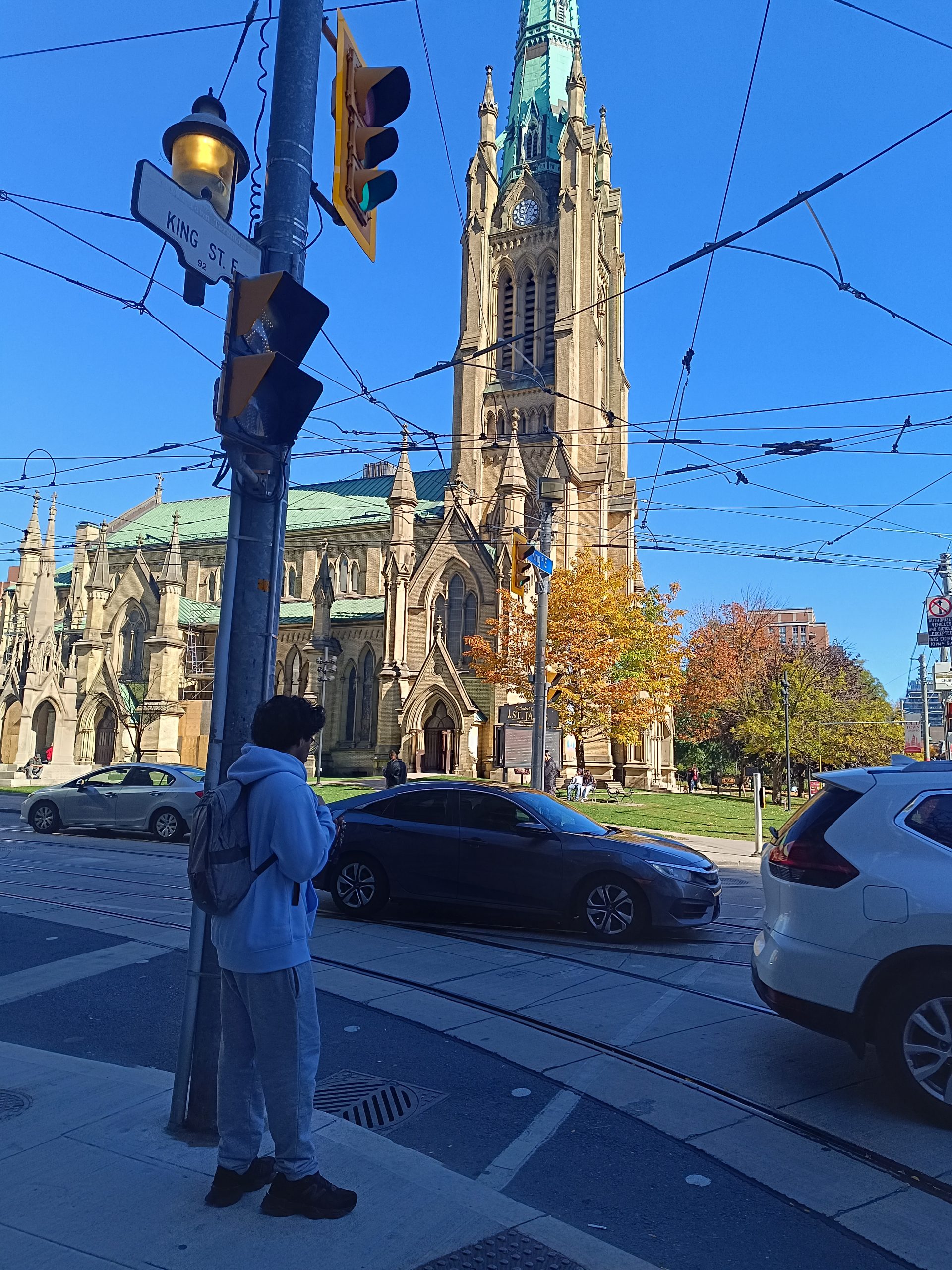
Later,in around 1820-s,a creative street-food peddler named Hanaya Yohei revolutionized the dish in the bustling city of Edo (modern-day Tokyo). To feed busy workers quickly, he began shaping small oblongs of seasoned rice by hand and topping them with fresh, raw slices of local fish caught straight from Tokyo Bay. This became the literal blueprint for modern sushi and for today in Tokyo we are have street Sushi Avenue,along which samurai transported prepared sushi.Nigiri sushi remains the most popular sushi in Japan to this day.

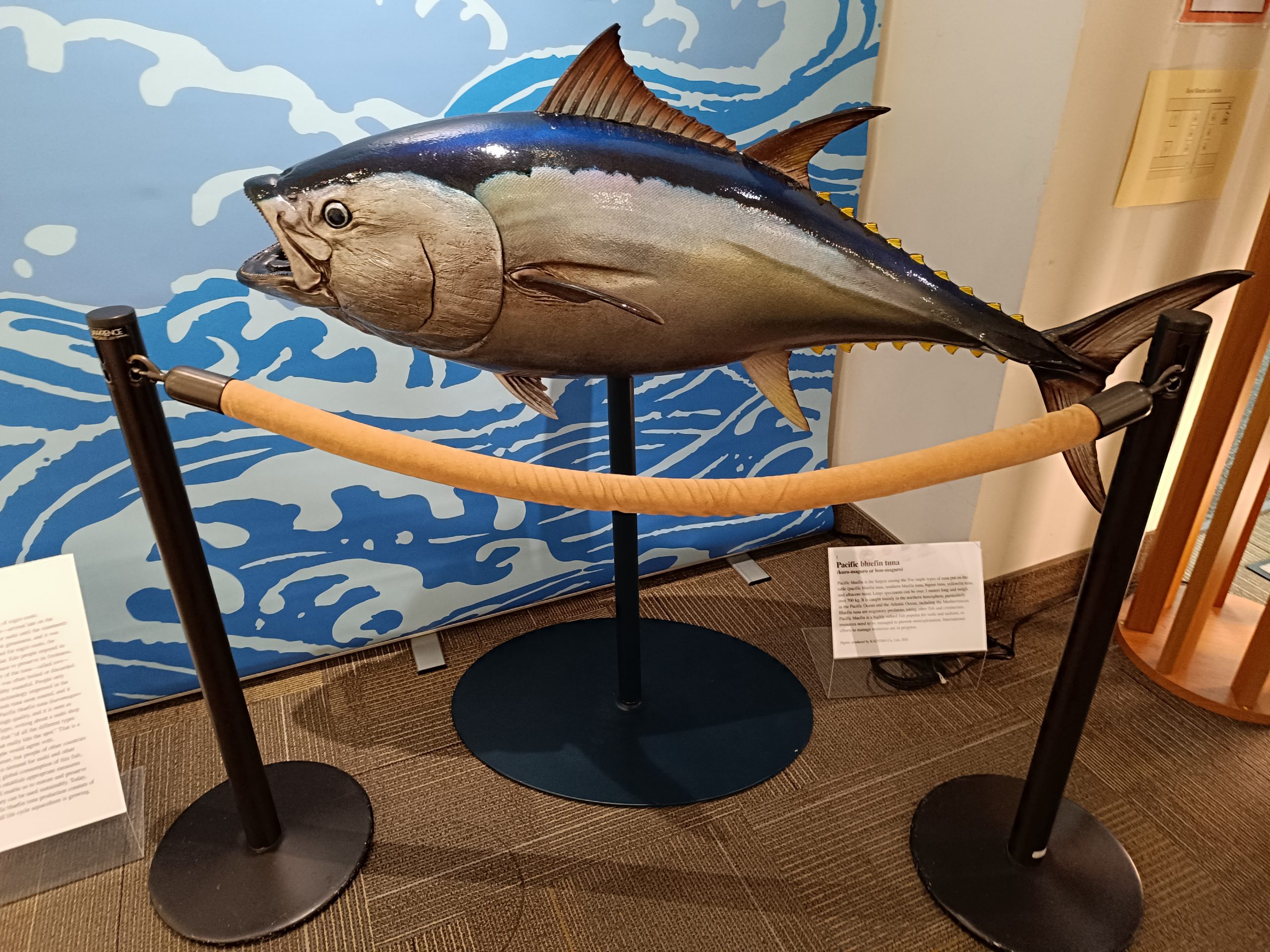
The history of using tuna in sushi making is interesting.Today, bluefin tuna (maguro) is the undisputed king of the sushi world, but it was historically despised in Japan. For centuries, tuna was considered an unlucky, low-class “garbage fish” (gezakana).

In ancient Japan, aristocratic diners strictly avoided tuna for three reasons: the old Japanese word for tuna was shibi. This was homophonous with the phrase shibi meaning “day of the dead,” making it highly taboo and bad luck to serve; tuna is a warm-blooded, highly metallic migratory fish and without refrigeration, its dark red meat oxidized and turned a repulsive, foul-smelling brown almost immediately after being caught; and when peasants had no choice but to eat it, they would sometimes bury the meat in the ground for four days to let it ferment, just to mask the bloody taste.

The true golden age of tuna didn’t arrive until after World War II, fueled by two massive shifts.

During the post-WWII American occupation, the Japanese diet rapidly shifted toward Westernized preferences for higher fat contents, beef, and dairy. Suddenly, the rich, buttery texture of toro went from greasy to luxurious.

By the 1960s and 70s, the invention of specialized electric flash-freezers (-60°C) and commercial air freight allowed global airlines like Japan Airlines (JAL) to transport perfectly preserved fresh bluefin from places like Atlantic Canada directly to Tokyo’s markets overnight.

Today the cuisine has evolved into a massive $18.28 billion global industry that blends strict Japanese tradition with high-tech automation and modern lifestyle values (The Businesse Research Canada).

Ironically, the ancient history of narezushi has come full circle. Some avant-garde chefs are now experimenting with using traditional Japanese koji (fermentation starter) to add intense, aged umami depth to contemporary seafood and fatty tuna (toro) dishes.

Here are the top local sushi spots right here in Etobicoke, grouped by style and budget:

IKKOI SUSHI&RAMEN at 5084 Dundas St.W.,(20-30 $ per dish),KIBO SUSHI at 4925 Dundas St.,W.,(20-30 $),SUSHI RUN at 3351 BLOOR ST.,W.,and very popular ,,all you can eat” K&B SUSHI at 1184 The Queensway.

Photo and video made by Helen Polishuk&Astra Production 2026.

Aysanabee and the festival in Hamilton

To your delight, I’ll turn to the posts on my page.
Unexpectedly, it was almost three months away, but it was not so wasted, I went to Europe, to the distant native Ukraine, spent an hour there, completed difficult important inquiries, turned back through all of Europe to Canada.
Now I can give you news about the past, as well as about the current events that are happening around me.

You all know from past posts that I grew up listening music, I love both classical and modern music.
I follow the music of the Renaissance, supported by an organization in Toronto, developing this directly.

I love music so much.

https://youtube.com/shorts/Gkhva192HIs?si=5oTla0Sts27mfh9-
In the sense of the music of the indigenous peoples of Canada, the singer that has recently become known is especially dear to me, a singer with a very garish fantastic voice and a unique way of singing.
This is Aysanabee.

He is a singer-songwriter and multi-instrumentalist who performs indie-pop and alternative rock music.

He made his debut in 2022 with an album WATIN(2022).The album is named after his grandfather; the name translates from Ojibwe as “quiet” and “weather.”

The album told the story of life in residential schools for Indigenous children and enjoyed immense popularity.


As his fame grew, he began receiving invitations to perform at major concerts across America and started winning awards; after all, his voice is captivating, as is his style of musical accompaniment.
I am delighted that his subsequent albums have been released: NOMADS,SOMEBODY ELSE,WE WERE HERE.

For this reason I came to the SUPERCRAWL festival last week, on the 13th of Sunday in Hamilton.

He turned to perform at this festival. One of the first performances was at this festival, so he was able to continue the tradition and the completion of the festival was the performance of Aysanabee’s songs.

I arrived early for the concert to get a spot near the stage.
I had a wonderful opportunity to watch this talented singer preparing for the show.
It was great to see how meticulously and carefully he tuned his guitars and set up the microphones and sound system.
And then, the highlight for me began—his performance.
He has a band that I think is exceptionally well-chosen; the musicians are fantastic.
He performed songs from all his albums.
Within half an hour, the area near the stage was packed—there wasn’t a single empty spot left. People sang along, applauded, and danced.
It was a magical experience.
I left having bought his latest album, as it had just been released-EDGE OF THE EARTH.

This is a full-length album that was released in June 2025 ISHKODE RECORDS.For this album, in March 2026, the artist received two prestigious awards -JUNO AWARDS -in the categories “Alternative Artist of the Year” and “Contemporary Indigenous Artist or Group of the Year”.

Some of the first artists who were signed to a label ISHKODE RECORDS ,created by First Nations women to promote authentic Canadian music

The album’s title serves as a metaphor for a crossroads in life—a step into the complete unknown. While creating the album, the musician had to make difficult decisions and venture into the unknown.
I wish him continued success and a steady, unhurried pace—free from pressure, and full of enjoyment.
I see Canadian music transcending boundaries and embracing innovation. It is a pleasure to hear such talented artists, and I truly hope their work marks a new milestone in the evolution of our multifaceted Canadian culture.


After all, we are a multicultural society, and this diversity is both our heritage and our future.
May the voices of Indigenous peoples ring out alongside others—openly, diversely, and far and wide. Wish you best luck,AYSANABEE!

We are love you !

Toronto Consort/The Numinous Voice

Spring, which we’ve been waiting for so long this year, has finally arrived.
Temperatures jumped from 10°C to 30°C. What’s next?
Nature isn’t waiting; it stood patiently by while the temperatures were low, frosts, and snow were falling, and now everything is slowly starting to turn green and bloom.

This season coincided with the traditional spring cycle of musical gatherings in Toronto Consort.

Now is the month of Maying.

Yes,”Now is the month of Maying” is a famous 1595 English Renaissance madrigal by Thomas Morley,

celebrating spring and traditional May Day festivities and everyone sitting in the Toronto Consort’s hall on May 16, 2026, witnessed this.

“The Numinous Voice” is a thematic tagline and conceptual framework used by the Toronto Consort to highlight the deep, spiritually moving, and transformative power of early vocal music.
This guiding theme is heavily reflected in their recent programming, connecting historical works directly to emotional and sacred listener experiences:

The concept anchored their recent spring season finale concert, Now is the month of Maying. Held on May 16 at Jeanne Lamon Hall, it featured world-renowned British tenor Charles Daniels and celebrated the 400th anniversary of English Renaissance composer John Dowland.In this excerpt from the concert, he performs the lead role.

“The Numinous Voice” emphasizes the raw, ethereal qualities of late Medieval, Renaissance, and early Baroque repertoire. The ensemble pairs these haunting vocal textures with period-accurate instruments—such as lutes, recorders, and viols—to recreate acoustic environments that feel sacred or transcendent to modern ears.

In early music performance and programming—particularly within the ethos of the Toronto Consort—the concept of “cycles” operates on three distinct, interconnected levels. These

structures bridge historical context, musical composition, and the “Numinous Voice” theme.

Historically, early music was not performed as an abstract concert commodity; it was written to mark specific times of the year. The Toronto Consort models its programming around these traditional, natural loops.

The Dark/Winter Cycle: This focuses on introspection, sacred architecture, and lighting candles to get through cold months. Examples include their A Spotless Rose – 1200 Years of Carols for New Year’s concert or Gesualdo Passione, which align with the winter solstice, Advent, or Lent.
The Spring/Renewal Cycle: This celebrates the return of light and fertility. Their season finale, Now is the month of Maying, acts as a joyous, celebratory secular ritual that signals rebirth. It captures the historical shift away from winter’s heavy “melancholia” toward Renaissance courtly festivities.

Thematic and Compositional Cycles
Musically, a “cycle” refers to a group of songs or instrumental pieces designed by a composer to be performed together as a unified whole, often expanding on a singular emotional motif.

The concert honoring John Dowland heavily utilizes this. Dowland famously composed pavanes and lute songs in tightly linked thematic loops—such as his iconic Lachrimae (Seven Tears), which explores seven different facets of passionate grief and melancholia.

Under General and Artistic Director Daniel Taylor, the ensemble uses these cycles to create a sense of transcendence and ritual.Early music notation often grants performance freedom. By cycling through raw vocal textures and period instruments, the ensemble triggers a state of psychological “flow”. The cyclical nature of the music acts like a secular rite, allowing modern audiences to escape the linear passage of time and tap into a shared, timeless human emotion.

The Toronto Consort utilizes a rare working collection of more than 100 accurate historical replicas of medieval, Renaissance, and early Baroque instruments. Many of these instruments are hand-crafted by the ensemble members themselves to capture the precise textures needed for their “Numinous Voice” programming.
Their specific instrumentation spans several distinct historical families:
Plucked Strings and Basso Continuo
These instruments provide the rhythmic framework and harmonic foundation for Renaissance courtly music and Dowland’s intimate compositions:

Lute: The foundational, pear-shaped string instrument central to Renaissance music and John Dowland’s solo works.

Theorbo: An elongated, large bass lute with extended bass strings, used extensively to conduct and anchor the bassline (basso continuo).

Cittern & Bandora: Wire-strung instruments common in English consort music that add a bright, ringing texture.

Harpsichord & Organetto: Period keyboards used to flesh out the harmonic architecture in sacred and chamber settings.

Bowed Strings

Rather than using modern violins, the ensemble relies heavily on families of strings that feature a warmer, more resonant sound with less string tension:

  • Viols (Viola da Gamba): Fretted, bowed instruments held between the legs, ranging from treble to bass sizes to form a complete “viol consort”.
  • Vielle & Rebec: Early medieval ancestors of the violin, producing an earthy, rustic tone.

Early Woodwinds and Winds

To mirror the outdoor festival energies of pieces like Now is the month of Maying, the wind section features highly specific, buzzy, or breathy period instruments:

  • Recorders & Flutes: Played in varied sizes (soprano down to bass) to achieve pure, vibrato-free wind harmonies.
  • Shawm & Dulcian: Double-reed ancestors of the oboe and bassoon, known for their powerful, reedy projection.
  • Crumhorn & Rauschpfeife: Capped-reed instruments that produce a distinctively buzzy, historic outdoor festival sound

Early Brass

For grander German Baroque or Venetian-style arrangements, the ensemble integrates distinctively dark and malleable brass:

  • Sackbut: The direct Renaissance predecessor to the modern trombone, featuring thinner walls that allow for a mellower, blendable tone.
  • Cornetto: A curved wood instrument wrapped in leather with a finger-hole system and a small brass mouthpiece, celebrated for its unique ability to perfectly mimic the human voice

The final chords have faded and the spring season has come to an end. We eagerly await the upcoming series of Christmas concerts……..


……I stepped outside and breathed in the freshness of the coming spring.
How seamlessly this year the end of the hymn-making combined with the vibrant arrival of a vibrant spring and warmth.
Coincidence?

Started

https://www.saatchiart.com/art/Painting-Flowers3/970132/13792289/view

Spring has been a bit of a disappointment for us this year. But at the end, after weeks of prolonged rain, we’re entering the season of gorgeous blossoms. This is when everything in the city blooms, blossoms, and is awash with brightness and fragrance within a week. Petals from blossoming trees fall onto the road, and we all feel like spring, meaning the sun is present in our region longer and more often. This is a joy.

https://www.saatchiart.com/art/Painting-Flowers2/970132/13792241/view

A little earlier, waiting for this time, I created a collection, which I am putting up for sale today and recommend to you.

https://www.saatchiart.com/art/Painting-Flowers1/970132/13792153/view

Although the entire collection consists of different variations of flower bouquets, I added my love for spring flowers and the light of spring’s radiance to them.

https://www.saatchiart.com/art/Painting-Family-Tree/970132/13783097/view

This celebration of blossoming and beauty has been gathered in my imagination and symbolizes a family tree—a flourishing, diverse, deep, and strong family tree of life.
It was this idea that ignited me at the beginning of spring and gave me the realization that we are the continuation of our lineage, rooted deep in the earth and reaching upward, acquiring a branching crown of life through love and faith.
All that holds us together is our faith and our roots.
That’s why this work is especially dear to me. It is made in the Petrykivka style, a traditional Ukrainian folk art style in which I have been creating for over 15 years.
Incredible.

Such a long time, and yet I, like a little person, feel like an apprentice in this art form.Like just started)).


All these works are for sale and you can buy them. I have specially reduced the prices so that you receive them with a certificate of authenticity.

Or do you just collect art work with your eyes?
Have a wonderful spring mood.

Maundy Thursday

On the eve of the great spring holiday of Easter, I congratulate you and your families on this important occasion.
I wish you purity of heart, spiritual balance, warmth and happiness for your families, and a good mood.
May the spirit of Easter renew your homes, cleanse them of all that is dark, dirty, and sad, and give you strength and spiritual richness.
At this time, we should all reflect on the eternal, looking at our feet.
Where are we going, with whom are we going, and what are we carrying?
As always, I am working on my paintings and expanding the circle of people familiar with my work, overcoming all the local traditional difficulties we all face in life, and breathing with optimism that everything changes, as do I and my mood.
Spring has struck me like a willow branch, painfully and sharply. She tries to change my plans, making her own. For example, I didn’t make it through the jury competition for several new major festivals in Toronto. And although I believed I would make it, failure hit me hard.
I know there’s interest in me and there will be fall sessions to get to know me, but all this must be endured.
However, my painting was selected for the 50th anniversary celebration of our Etobicoke Civic Centre, and I’m happy to be among Etobicoke’s best artists in a gallery in our district. I love our unique Etobicoke with its luxurious parks, squares, main streets, and shopping centers.

This painting is on display at an exhibition celebrating Etobicoke’s Civic Centre 50th anniversary.


With the morning birdsong, with life among nature thanks to the connections through most of the parks along the rivers. Coyotes, deer, birds, raccoons, foxes, and rabbits—everything comes and lives nearby. And high-rise skyscrapers are being built nearby.

This is why we value our region.
Yesterday, as an April Fool’s joke, the news outlets reported that starting this summer, clean air would be sold in downtown Toronto at a high price, and as a new initiative—in bags and at a discount.
Of course, this promotion is for us, but in Etobicoke, damn it, our air is clean.
Although we’ve had significant air pollution in recent years, too.
But I think raising gas prices will significantly reduce the number of cars on the streets and clean up the air.
I hope so.
Looking ahead, I’d like to believe that many interesting projects await me.
After all, I’ll tell you a secret, I’m once again moving away from traditional Ukrainian folklore toward creating large, fragmented paintings on canvas.
Last winter, I wanted to create structural, 3D paintings, but after creating one, I realized it wasn’t popular, wasn’t appreciated, and wasn’t accepted by the public. So, I’ve returned to 2017, when I was creating large paintings.
If I can and the weather cooperates, I’ll certainly do it in oils. Although, using mixed media is better.
You see, living conditions, terrain, and weather all influence the choice of what and how to paint.

You know, I’m a very open and sunny person.
But I’ve noticed that when I express myself in this way, others don’t always appreciate it. It’s the same with my paintings—creating bright, vibrant images doesn’t get me any encouragement. It clashes with the gloomy, rainy, and snowy surroundings.
Classicism and overcastness are what’s called for.
Walking through the galleries, I noticed that the more abstract, obscure, and washed-out the paintings, the better and more sustained.
Apparently, tone sets the mood.
The sun is shining more often now, which sets the tone for joy and optimism.

But every year, after a difficult and challenging winter, we clean our homes, tidy our houses, dust, throw away old clothes, and renew the soil around the trees in our gardens to make way for the new.
And that’s why Easter is so dear and important to us.
Especially to me.
Happy upcoming holidays to all of you and your families.

10th anniversary

Today I’m celebrating a small anniversary.
It’s not exactly important or interesting to you, but for me, it’s a special date.
No, it’s not the birth of a new child or a happy life in a married family.

This isn’t the date after some surgery and the beginning of a new life, nor is it Valentine’s Day.
It’s not moving to another country or buying a new house.
Although, if you take all of these factors and mix them up and overload them, they all influenced the date I’m talking about today.
Back in 2016, after I completely decided to step away from filmmaking on a film crew and go out on my own and return to professional art education, I chose several directions for myself. One of them was classical landscapes. The second, very expanded and popular, was abstractionism. I’ve explored many styles in this field and love creating my own works.


But today we’ll talk about the third—my favorite. This direction is decorative art and folklore.

It’s as easy as always—I sat down, browsed the styles I liked online, tried them, studied them, practiced, and off I went…
Isn’t that right?
Back in 2016, I couldn’t have imagined that I would feel so comfortable and happy in this field. I couldn’t have imagined that there would be years when I would be captivated by this movement and creatively empowered.

Exactly 10 years ago, I began painting Petrykivka, a traditional Ukrainian style called Petrykivka.
Over the course of 10 long years, I’ve created over 80 works in this style.
This included bold ideas, a search for my own direction, and studying the works of famous Petrykivka artisans.
In 10 years, I didn’t expect such a boom in the popularity of this art form and the multitude of master classes and drawing courses in this style.
Perhaps it all stems from the fact that, while studying this art form, I constantly want to improve myself. Even now, when much time has passed and I return to my first works, I find that they can be improved, and I want to do so. But that’s the beauty and originality of them: they are magnificent in their original form, not in their perfection.

If we take the first year, 2016 in particular—it was a special year.
And it’s special precisely because I didn’t create anything more beautiful or magnificent than that year.
Imagine how painstakingly I worked on each image.
And from that year until 2018, I worked exclusively with oil paints. Acrylic was a cheap material for me. I neglected it.
Only after 2018 did I begin painting with acrylics, and only acrylics, due to health issues and the fact that I didn’t have a separate, air-conditioned, and warm space where I could paint with oils.

I still want to go back. There’s nothing better than painting with oil paints. It’s the perfection of artistic experimentation.
So, back in 2016, the first Petrykivkas were 11 x 14 inches, and there were several of them.
Two of them immediately flew to Europe that year and are now in collections there.
And the rest—you can see them in the video at the link.

This small anniversary is a celebration of creativity and love. It is patience and creativity. It is a splash of color and the realization of ideas. It is a small victory.

Power of Words

to shoot into the silence to say – I exist, I still live. I write, I create, I help, I work, I am a mother, a woman, a writer, and I love you, my dears.

Spring has arrived, bringing with it movement and a changed pace of life. The days have lengthened, and it’s gratifying to realize that my workload has increased dramatically and that more pleasant events are taking place.
Several exhibitions with my presence have already been confirmed, meaning paintings will be unpacked, refreshed, and seen by many visitors in Toronto galleries.
There will also be time for movie theaters and film screenings. Tomorrow, our entire women’s group is going to see a film in the city. It’s a pleasant, festive feeling, as three generations of us walk along a Toronto sidewalk.
Next week, there are many celebrations in which I will be participating both as an organizer and as a participant. This is also gratifying, as it brings me great pleasure to create a creative state for people.
I had barely announced the start of the children’s drawing contest when children from all over the world began sending in their drawings. And it’s so nice—my dear children! You are incredibly talented, and your drawings are wonderful.

What I’d like to tell them is to continue drawing throughout your life. It’s not just a hobby, it’s also a state of mind—creating is wonderful. I understand that behind every drawing is not only the child, but also their mother. And together, they are great. This develops talent for life. Of course, they will receive thanks, but mutual attention is highly valued here.
Another piece of news is my interest in poetry.
And today I’ll reveal a secret.
Actually, it’s not even a secret. It’s work. Video and audio format. It was created for an exhibition.In celebration of National Poetry Month this April I created a video film with the poetry of a talented, magnificent, unrivaled… and my favorite poetess Joy Harjo .I chose her poem Cricket Song.

I just sent my work to the competition jury, and it will be performed in April.
A few words about the author. JOY HARJO-she’s an American poet whom I first met last year at a writers’ meeting at a Toronto library. There wasn’t a single empty seat in the room I attended. She spoke about her work on stage, read poems, and answered questions. I bought her book CONFLICT RESOLUTION.

Generally, I rarely do this. Besides, I don’t like revolutionaries, I have a negative attitude toward politicians, and I don’t like it when they create trendy clubs and manipulate people’s minds. I also disdain advertising. And here is a woman, a wonderful poetess, whose poems are the threads of nature, woven into life. Born here on this earth, imbued with this wind and dust, food and disease. This is the root of this tree. And I felt her breath. And today, I supported her.

That’s how, in short, my work on her poetry came about.

In conclusion, I want to say that sometimes I feel that the world is very small and some events that happen to us are not entirely random.

Below I give you a link to my work, which will be broadcast next month.

Auto Show 2026

How quickly almost two months of 2026 have flown by.
And all because, in the Canadian winter, most city events, like people’s lives themselves, slow down and retreat to apartments and houses. This means people are less interested in events, go outside less, socialize less, and the events calendar has been rescheduled until the end of March, when the sun warms up more or less and exhibitions, events, and meetings begin.
And festivals, especially street festivals, which are popular in Toronto, are held from June or late May. Such are the wonderful nuances of life here in Toronto.
However, there are exceptions.
One of these is the annual International Auto Show, which is held in Toronto’s most prestigious venue in Metro Toronto Convention Centre.

Situated in two separate buildings connected by a long bridge, on three spacious floors, this weekend it brought together the entire population of Toronto and surrounding cities.

I would like to point out to you right away that the exhibition runs until the end of the month, that is, until the end of this week, and anyone who can or wants to attend should hurry.

As a frequent visitor to this exhibition, I’d like to invite everyone, even their families, to come.
There’s plenty to see.
Magnificent collector cars, from Audis to miniature cars, collected by a Canadian family and lovingly displayed.
All of this is located on the ground floor of the main pavilion.
The oldest exhibits, the oldest cars, are also there, and are on display at the Ontario Museum of Automobiles.
I’d like to point out right away that when cars first appeared and replaced horse-drawn carriages, they were magnificent, very spacious, and distinguished themselves from modern cars by their simplicity, comfort, and large size.

Now, a century later, everything has changed so much that on the same ground floor of the main pavilion, a modestly displayed mini-car is electric, fits one person, and is representative of the modern metropolis. It’s a mix of bicycle and scooter, rechargeable, doesn’t require gasoline, and is advertised as completely green, which is hard to believe, as electricity isn’t green either, and is even more controversial than gasoline. Does such a car have a life? As the smallest car, it already has its place in history.
And ascending to the main floor of the main pavilion, to the prestigious showrooms of Mercedes, Audi, Toyota, Nissan, Kia, and Jaguar, it’s impossible to miss the central space dedicated to Tesla. There’s also a Tesla robot, along with clothing and accessories from a leading brand. There are many buyers, and the prices aren’t cheap. Mercedes showed off a large truck where you can drive, travel, sleep, and cook. This is a first, and only at this show.
In general, I want to point out that car prices have suddenly increased.
There are many people interested in the new models.
What’s noticeable is that during times of depression, car colors become brighter. Today, too, there’s a very vibrant color range.

Apparently due to competition, almost all companies created bright colors, from pearlescent green to bright red and gold.
The two most expensive cars in the showroom were gold.
The Bugatti was the most expensive car in the showroom.

There were a lot of people. Families there.
And for me, already familiar with the panorama of cars, I liked many of the exhibits. Of course, I wanted to play games, win prizes, drink delicious German coffee, take motorcycle selfies with the collection of Japanese motorcycles on display, and ride a Jeep in a special area—they had set up adventures for the Jeep, and you had to wait in a very long line to sign up for the Jeep driving challenge.

I didn’t wait, so I left it for those more patient.
Overall, I got a huge boost of energy.
Don’t forget, the exhibition is only open until the end of this week.

New work

The New Year has opened up new possibilities for my paintings. It’s a breath of fresh air with a change in style and direction. And I succeeded with my first work.

Though winter’s chill lingers, “Blossom” captures the hopeful promise of spring. This original acrylic painting celebrates the return of sunlight, the anticipation of blooming trees, and the warmth of brighter days ahead. It evokes a sense of faith in new beginnings.

Created with acrylic and ink on canvas, this piece showcases a fresh artistic approach. The finished sides allow for frameless display, making it a versatile addition to your art collection. The small size makes it ideal for adding a touch of nature to a cozy corner or smaller wall space.

“Blossom’s” botanic subject and blend of classicism and art nouveau styles create a timeless appeal. Its photorealistic touches bring a modern sensibility to this classic theme. Imagine this painting bringing a breath of fresh air to your home or office.

Invite the optimism of spring into your space with “Blossom.” Add this unique, small-sized acrylic painting to your collection today and let its beauty brighten your surroundings.

Blossom at https://www.saatchiart.com/en-ca/all?query=helen%20polishuk with SPECIAL price under 500$.

A Spotless Rose

How do you imagine the winter solstice 1,200 years ago? Let’s think about it together and imagine it. No electricity, little heat, only large semi-stone houses heated by fireplaces. No television, radio, or the information media that fill our world today.
There are candles, there is a calendar fixed by priests, and there is faith. Yes, there is faith and the teaching of the cyclical nature of the year. There is faith that after the winter solstice, which hid the sun in darkness, the sun will come, the light will come, and a new year will be born. The days will begin to grow longer, there will be more light every day, and the world around us will begin to fight and resist darkness and fervor, death and destruction, in order to come to life. As in ancient times, so now, at this time they begin to sing carols – sacred songs reminiscent of the singing of birds, the sound of a stream, the rustling of trees and, most importantly, accompanied by a special ritual proclaiming the beginning of a new year and the arrival of light, spring and warmth.

Now imagine today, 1,200 years later, with the stage of Jeanne Lamon Hall at Trinity-St. Paul’s Centre (427 Bloor St W) illuminated by candlelight, and the Toronto Consortium Choir once again collaborating with outstanding students from the Schola Cantorum of the University of Toronto’s Faculty of Music on “The Flawless Rose: 1,200 Years of Christmas Carols,” an inspiring series of Christmas carols.

An action that takes us back 1200 years or vice versa, an action that revives for us Christmas, the birth of a new light from darkness, preserved and reverently restored carols that announce the most terrible and dark day and call for light and sun that will conquer the darkness.

As a consistent admirer of everything the Toronto Consort does, I would like to commend this evening as a wonderfully orchestrated collaboration between two talented conductors.Les Arts Florissants’ co-director of music, Paul Agnew, has joined Daniel Taylor as conductor of ensemble.

It was a play of darkness and light, a choir in the dark and a choir in the light. Two wonderful conductors. It was wonderful, as the wonderful singing of carols by the wonderful soloists was complemented by the stage interpretation of the action. And it was so beautiful, dynamic, subtle, and refined. This is that love of culture, that tradition of passing on ancient heritage. There were many young people in the audience, many students from the University of Toronto.
Vichel Praetorius,Orlando Gibbons,Nicolas Gombert,Gustav Holst,Benjamin Britten,Herbert Howells music was playing.

A time of night’s dominance, when the day seems shrouded in shadows. The sun recedes to its furthest distance and seems to freeze in the silence of death: in these difficult times, it is difficult to understand that this is Sol Invictus, the Invincible Sun. A candlelit carol ceremony. A reflection on birth and rebirth, the importance of these concepts for transmission to the next generation.

….Perfection is achieved,not when there isnothing more to add,but when there is nothing left to take away….

( Antoine se Saint-Exupery)

I look forward to the next meeting with Toronto Consort.