Anyone reading this page of my blog likely knows that the artist is a skilled illustrator whose collections can be found in Europe, the Middle East, and the Americas, and who actively exhibits her work across Canada. However, few are aware that since 2020, in addition to producing short films, she has published several children’s books and actively participates in competitions.
Olena Polishchuk participates in competitions and has her work published in Ukrainian magazines and anthologies. A new series of her stories for children was released quite recently. The author has developed a unique way of connecting with her readers: she records her stories and posts them on social media as short films. This appeals to young children, as well as to adults who want their little ones to drift off to a lovely children’s story in Ukrainian or watch a film that helps them fall asleep peacefully.
What are her stories about? Today, I will talk about her latest work: The Foundling. It is a touching sketch about a grandfather and his granddaughter sharing a cozy evening as winter approaches. An exhausted kitten, discovered in a corner of the yard, melts the old man’s gruff heart, transforming a cold, snowy evening into a celebration of kindness and love.
Below, I am providing a link where you can watch and listen to this wise, kind, and beautiful story. Enjoy watching!
The culinary phenomenon of sushi begin in Japan, but rather as an ancient fish preservation method in Southeast Asia along the Mekong River. It evolved over a thousand years from a pungent, fermented survival food into the fresh, fast-paced delicacy we recognize today.
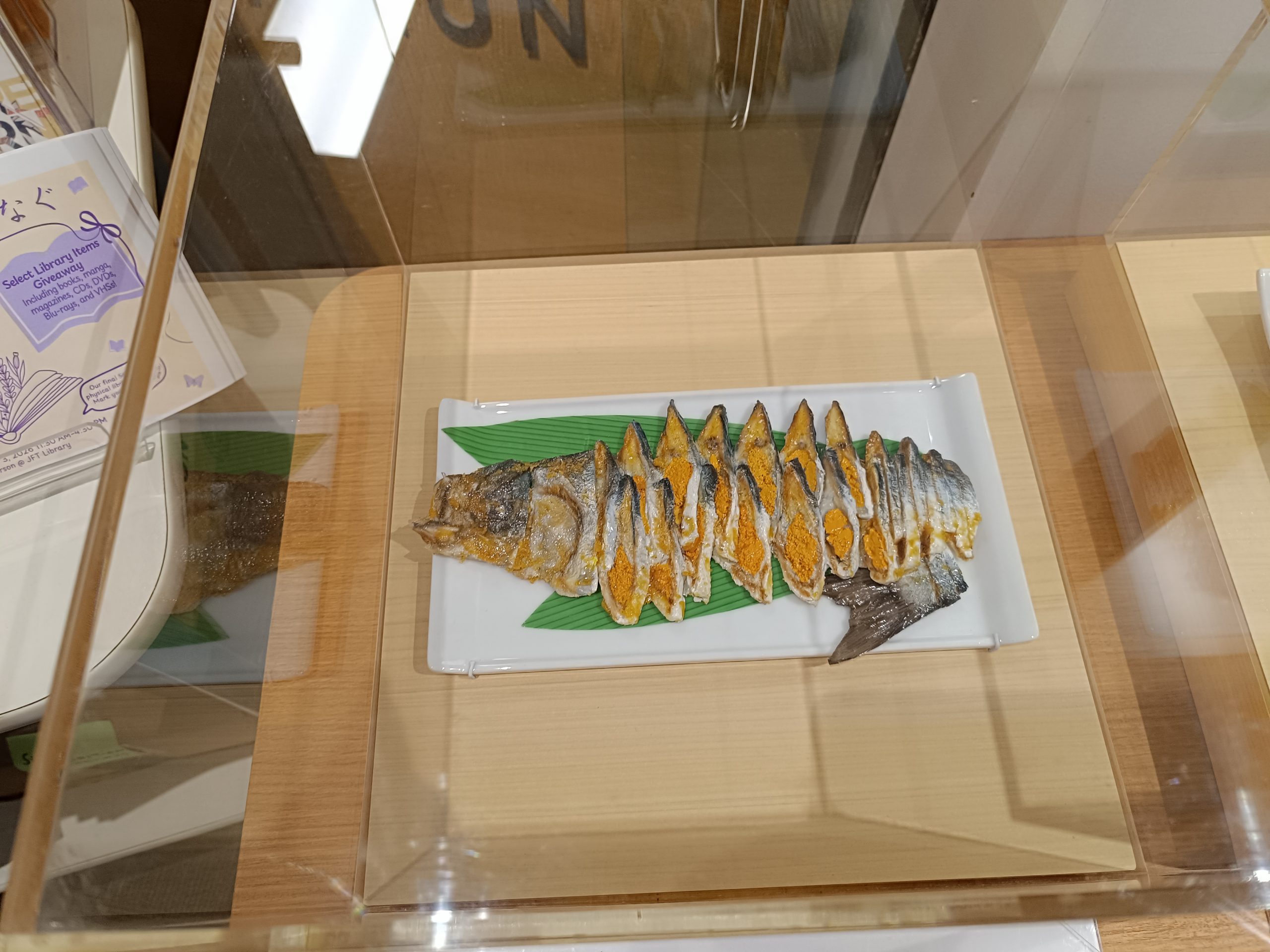
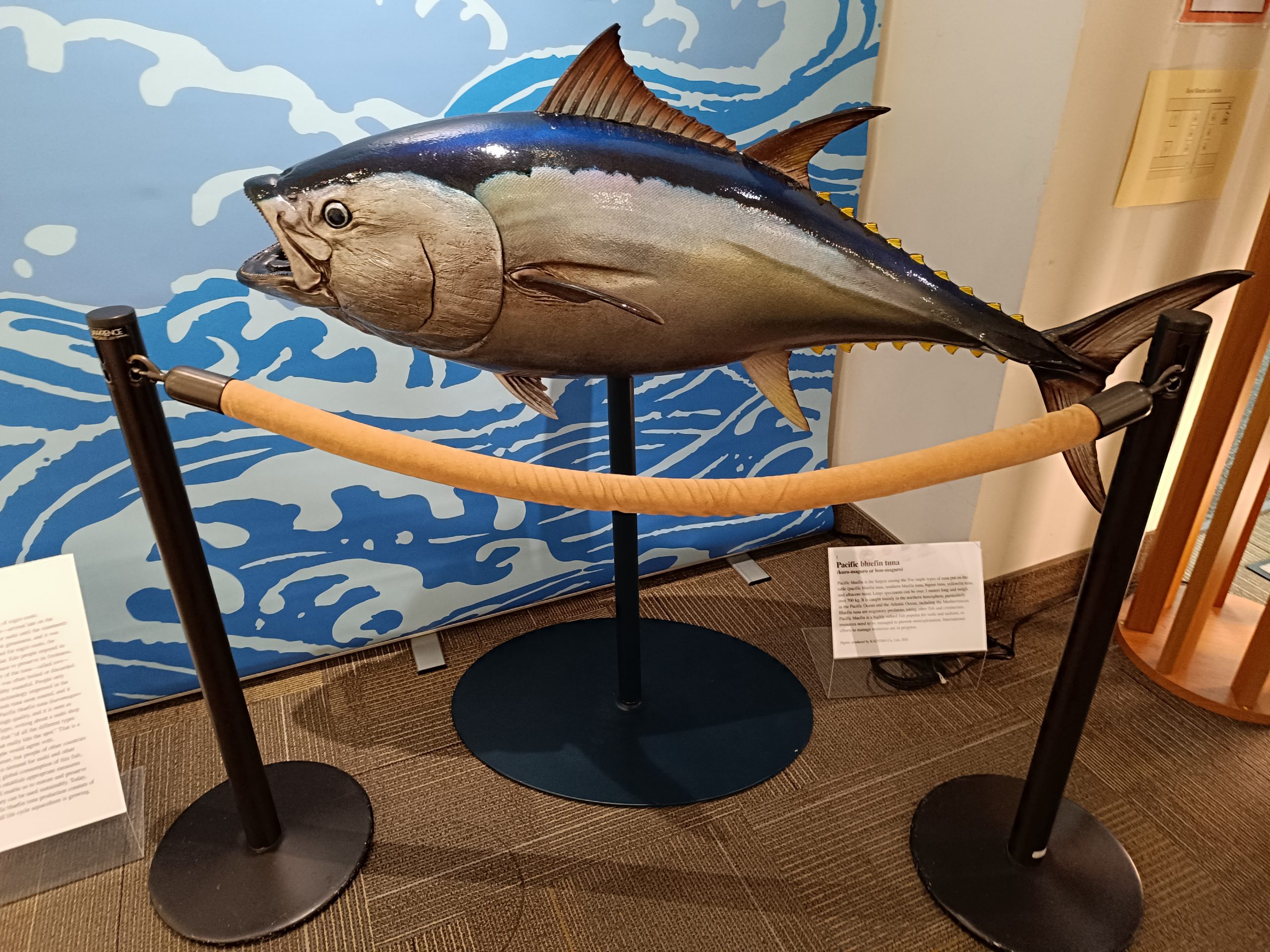
The oldest form of sushi was as a method used in 2nd – 8th Century in Japan to preserve freshwater fish by packing it with salted, fermenting rice. The rice produced lactic acid to keep the fish from rotting. Crucially, the fermented rice was discarded because it turned mushy and foul-smelling—only the preserved fish was consumed.This is named Narezushi sushi and long history about this sushi I received from sources at the exhibition in Japanease Foundation this week.
Long before reaching Japan, the technique emerged in Southeast Asia—specifically along the Mekong River basin (modern-day Laos, Thailand, Cambodia) and Myanmar. Indigenous groups devised a way to scale, gut, salt, and pack freshwater river fish into barrels with cooked rice.
As the mixture sat, natural lactic acid bacteria consumed the rice carbohydrates. The resulting lactic acid acted as a heavy chemical shield, preventing standard decomposition bacteria from rotting the meat.
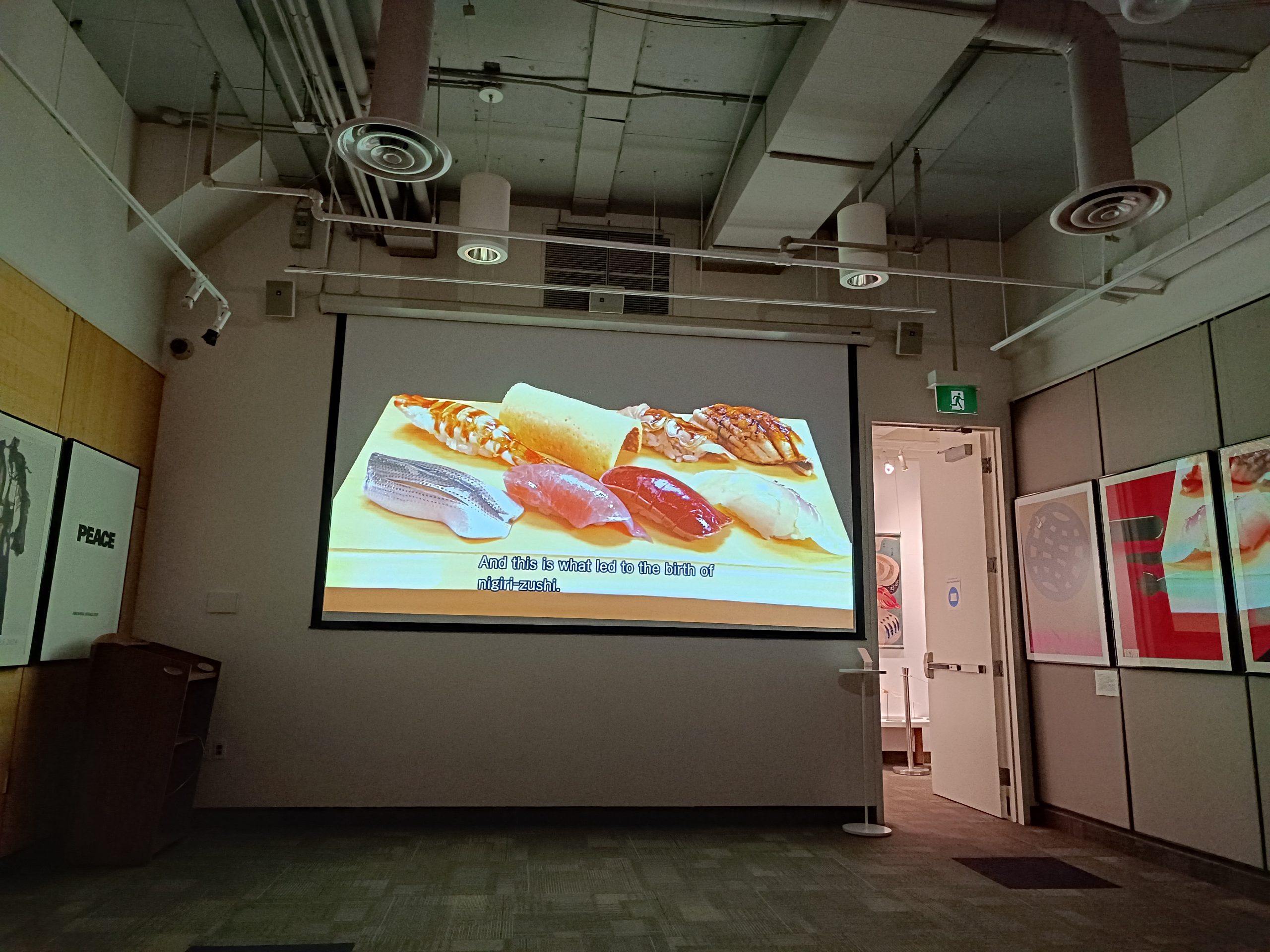
By the 2nd to 4th century CE, the method spread into southern China, where it reached peak popularity during the Song Dynasty. It migrated to Western Japan around the Yayoi Period and in appearance, it bore no resemblance whatsoever to our concept of sushi as such. It was the great-grandfather of our modern method of preparing sushi.The exhibition featured models of the earliest sushi and screened a film about its history.
Modern sushi is all about fresh, delicate seafood and eating the vinegared rice. Original narezushi was the complete opposite.Unlike the light taste of a modern roll, narezushi is notoriously pungent and incredibly sour. Scientifically, its odor profile has been measured as one of the most intense food smells in the world (often compared to an intensely sharp, aged blue cheese).
While modern nigiri dominates global cuisine, you can still eat authentic, ancient-style narezushi in a few historic pockets of Japan.
This technology has now been improved and is used in some dishes with certain types of fish. For example, for mackerel-boasting an 800-year history, mackerel is packed with rice and wrapped tightly in leaves. Because it’s only fermented for a few days, the rice is intentionally eaten alongside the fish.
For wild carp-aged up to 2–3 years. The fish bones completely soften, and the local delicacy is thinly sliced—often prized for its orange, cheese-like roe—and paired with sake.
As the practice spread to Japan, the Japanese fundamentally transformed it. Because rice was incredibly precious, people shortened the fermentation time to a month or two. This left the fish partially raw and the rice tangy but edible, creating the first version where both the fish and the rice were eaten together.
That is how they came into being Hamanare and Nama-narezushi in 14th – 15th Century in Japan.
With the widespread commercial production of rice vinegar, chefs discovered they could entirely bypass the lengthy fermentation process. By mixing vinegar directly into fresh rice, they could instantly mimic the sour taste of fermented sushi, inventing “fast sushi” and that is how they came into being Hayazushi (17th – 18th Century).
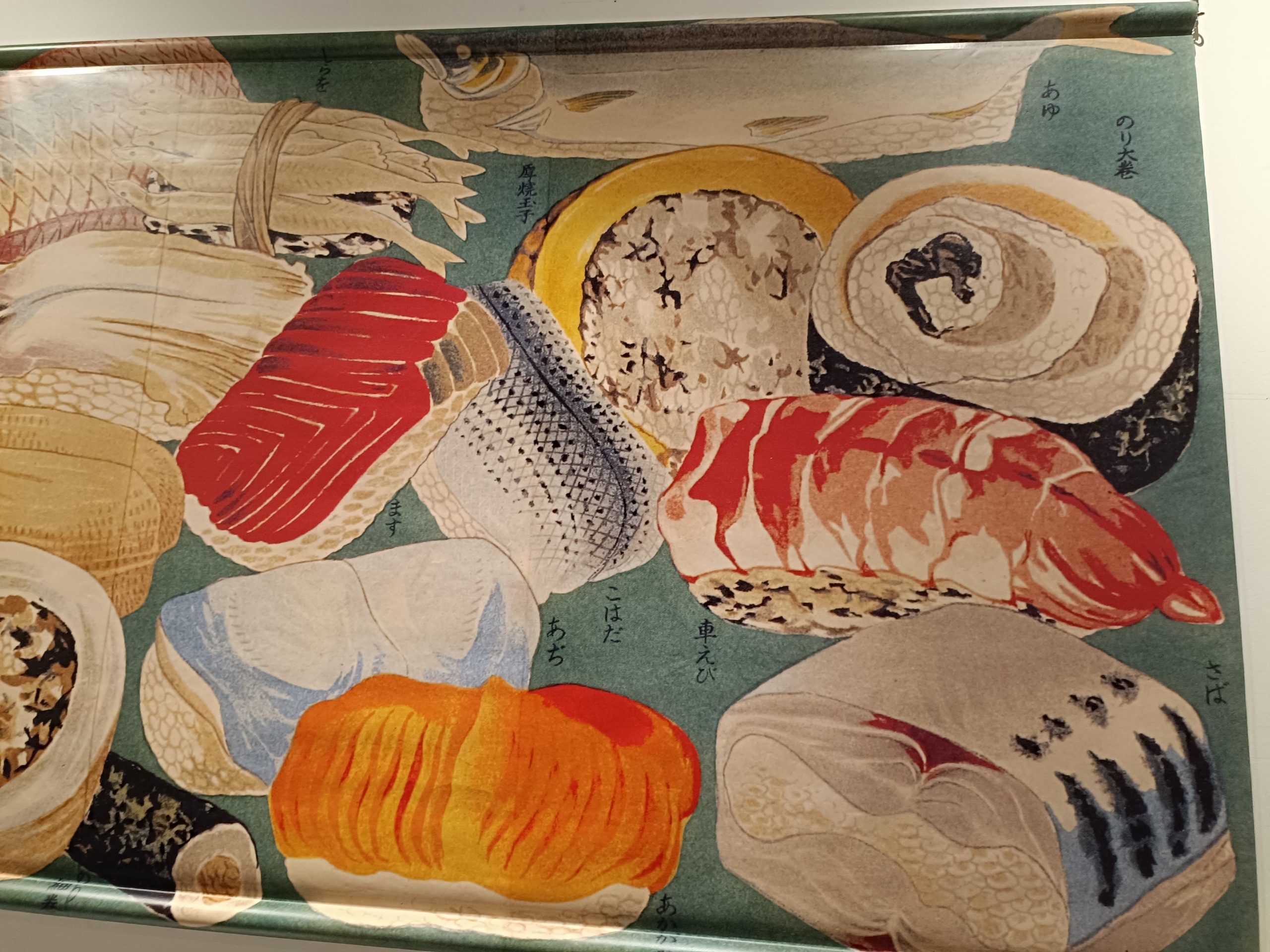
Later,in around 1820-s,a creative street-food peddler named Hanaya Yohei revolutionized the dish in the bustling city of Edo (modern-day Tokyo). To feed busy workers quickly, he began shaping small oblongs of seasoned rice by hand and topping them with fresh, raw slices of local fish caught straight from Tokyo Bay. This became the literal blueprint for modern sushi and for today in Tokyo we are have street Sushi Avenue,along which samurai transported prepared sushi.Nigiri sushi remains the most popular sushi in Japan to this day.
The history of using tuna in sushi making is interesting.Today, bluefin tuna (maguro) is the undisputed king of the sushi world, but it was historically despised in Japan. For centuries, tuna was considered an unlucky, low-class “garbage fish” (gezakana).
In ancient Japan, aristocratic diners strictly avoided tuna for three reasons: the old Japanese word for tuna was shibi. This was homophonous with the phrase shibi meaning “day of the dead,” making it highly taboo and bad luck to serve; tuna is a warm-blooded, highly metallic migratory fish and without refrigeration, its dark red meat oxidized and turned a repulsive, foul-smelling brown almost immediately after being caught; and when peasants had no choice but to eat it, they would sometimes bury the meat in the ground for four days to let it ferment, just to mask the bloody taste.
The true golden age of tuna didn’t arrive until after World War II, fueled by two massive shifts.
During the post-WWII American occupation, the Japanese diet rapidly shifted toward Westernized preferences for higher fat contents, beef, and dairy. Suddenly, the rich, buttery texture of toro went from greasy to luxurious.
By the 1960s and 70s, the invention of specialized electric flash-freezers (-60°C) and commercial air freight allowed global airlines like Japan Airlines (JAL) to transport perfectly preserved fresh bluefin from places like Atlantic Canada directly to Tokyo’s markets overnight.
Today the cuisine has evolved into a massive $18.28 billion global industry that blends strict Japanese tradition with high-tech automation and modern lifestyle values (The Businesse Research Canada).
Ironically, the ancient history of narezushi has come full circle. Some avant-garde chefs are now experimenting with using traditional Japanese koji (fermentation starter) to add intense, aged umami depth to contemporary seafood and fatty tuna (toro) dishes.
Here are the top local sushi spots right here in Etobicoke, grouped by style and budget:
IKKOI SUSHI&RAMEN at 5084 Dundas St.W.,(20-30 $ per dish),KIBO SUSHI at 4925 Dundas St.,W.,(20-30 $),SUSHI RUN at 3351 BLOOR ST.,W.,and very popular ,,all you can eat” K&B SUSHI at 1184 The Queensway.
Photo and video made by Helen Polishuk&Astra Production 2026.
Spring has been a bit of a disappointment for us this year. But at the end, after weeks of prolonged rain, we’re entering the season of gorgeous blossoms. This is when everything in the city blooms, blossoms, and is awash with brightness and fragrance within a week. Petals from blossoming trees fall onto the road, and we all feel like spring, meaning the sun is present in our region longer and more often. This is a joy.
Although the entire collection consists of different variations of flower bouquets, I added my love for spring flowers and the light of spring’s radiance to them.
This celebration of blossoming and beauty has been gathered in my imagination and symbolizes a family tree—a flourishing, diverse, deep, and strong family tree of life. It was this idea that ignited me at the beginning of spring and gave me the realization that we are the continuation of our lineage, rooted deep in the earth and reaching upward, acquiring a branching crown of life through love and faith. All that holds us together is our faith and our roots. That’s why this work is especially dear to me. It is made in the Petrykivka style, a traditional Ukrainian folk art style in which I have been creating for over 15 years. Incredible.
Such a long time, and yet I, like a little person, feel like an apprentice in this art form.Like just started)).
All these works are for sale and you can buy them. I have specially reduced the prices so that you receive them with a certificate of authenticity.
Or do you just collect art work with your eyes? Have a wonderful spring mood.
Today I’m celebrating a small anniversary. It’s not exactly important or interesting to you, but for me, it’s a special date. No, it’s not the birth of a new child or a happy life in a married family.
This isn’t the date after some surgery and the beginning of a new life, nor is it Valentine’s Day. It’s not moving to another country or buying a new house. Although, if you take all of these factors and mix them up and overload them, they all influenced the date I’m talking about today. Back in 2016, after I completely decided to step away from filmmaking on a film crew and go out on my own and return to professional art education, I chose several directions for myself. One of them was classical landscapes. The second, very expanded and popular, was abstractionism. I’ve explored many styles in this field and love creating my own works.
But today we’ll talk about the third—my favorite. This direction is decorative art and folklore.
It’s as easy as always—I sat down, browsed the styles I liked online, tried them, studied them, practiced, and off I went… Isn’t that right? Back in 2016, I couldn’t have imagined that I would feel so comfortable and happy in this field. I couldn’t have imagined that there would be years when I would be captivated by this movement and creatively empowered.
Exactly 10 years ago, I began painting Petrykivka, a traditional Ukrainian style called Petrykivka. Over the course of 10 long years, I’ve created over 80 works in this style. This included bold ideas, a search for my own direction, and studying the works of famous Petrykivka artisans. In 10 years, I didn’t expect such a boom in the popularity of this art form and the multitude of master classes and drawing courses in this style. Perhaps it all stems from the fact that, while studying this art form, I constantly want to improve myself. Even now, when much time has passed and I return to my first works, I find that they can be improved, and I want to do so. But that’s the beauty and originality of them: they are magnificent in their original form, not in their perfection.
If we take the first year, 2016 in particular—it was a special year. And it’s special precisely because I didn’t create anything more beautiful or magnificent than that year. Imagine how painstakingly I worked on each image. And from that year until 2018, I worked exclusively with oil paints. Acrylic was a cheap material for me. I neglected it. Only after 2018 did I begin painting with acrylics, and only acrylics, due to health issues and the fact that I didn’t have a separate, air-conditioned, and warm space where I could paint with oils.
I still want to go back. There’s nothing better than painting with oil paints. It’s the perfection of artistic experimentation. So, back in 2016, the first Petrykivkas were 11 x 14 inches, and there were several of them. Two of them immediately flew to Europe that year and are now in collections there. And the rest—you can see them in the video at the link.
This small anniversary is a celebration of creativity and love. It is patience and creativity. It is a splash of color and the realization of ideas. It is a small victory.
to shoot into the silence to say – I exist, I still live. I write, I create, I help, I work, I am a mother, a woman, a writer, and I love you, my dears.
Spring has arrived, bringing with it movement and a changed pace of life. The days have lengthened, and it’s gratifying to realize that my workload has increased dramatically and that more pleasant events are taking place. Several exhibitions with my presence have already been confirmed, meaning paintings will be unpacked, refreshed, and seen by many visitors in Toronto galleries. There will also be time for movie theaters and film screenings. Tomorrow, our entire women’s group is going to see a film in the city. It’s a pleasant, festive feeling, as three generations of us walk along a Toronto sidewalk. Next week, there are many celebrations in which I will be participating both as an organizer and as a participant. This is also gratifying, as it brings me great pleasure to create a creative state for people. I had barely announced the start of the children’s drawing contest when children from all over the world began sending in their drawings. And it’s so nice—my dear children! You are incredibly talented, and your drawings are wonderful.
What I’d like to tell them is to continue drawing throughout your life. It’s not just a hobby, it’s also a state of mind—creating is wonderful. I understand that behind every drawing is not only the child, but also their mother. And together, they are great. This develops talent for life. Of course, they will receive thanks, but mutual attention is highly valued here. Another piece of news is my interest in poetry. And today I’ll reveal a secret. Actually, it’s not even a secret. It’s work. Video and audio format. It was created for an exhibition.In celebration of National Poetry Month this April I created a video film with the poetry of a talented, magnificent, unrivaled… and my favorite poetess Joy Harjo .I chose her poem Cricket Song.
I just sent my work to the competition jury, and it will be performed in April. A few words about the author. JOY HARJO-she’s an American poet whom I first met last year at a writers’ meeting at a Toronto library. There wasn’t a single empty seat in the room I attended. She spoke about her work on stage, read poems, and answered questions. I bought her book CONFLICT RESOLUTION.
Generally, I rarely do this. Besides, I don’t like revolutionaries, I have a negative attitude toward politicians, and I don’t like it when they create trendy clubs and manipulate people’s minds. I also disdain advertising. And here is a woman, a wonderful poetess, whose poems are the threads of nature, woven into life. Born here on this earth, imbued with this wind and dust, food and disease. This is the root of this tree. And I felt her breath. And today, I supported her.
That’s how, in short, my work on her poetry came about.
In conclusion, I want to say that sometimes I feel that the world is very small and some events that happen to us are not entirely random.
Below I give you a link to my work, which will be broadcast next month.
How quickly almost two months of 2026 have flown by. And all because, in the Canadian winter, most city events, like people’s lives themselves, slow down and retreat to apartments and houses. This means people are less interested in events, go outside less, socialize less, and the events calendar has been rescheduled until the end of March, when the sun warms up more or less and exhibitions, events, and meetings begin. And festivals, especially street festivals, which are popular in Toronto, are held from June or late May. Such are the wonderful nuances of life here in Toronto. However, there are exceptions. One of these is the annual International Auto Show, which is held in Toronto’s most prestigious venue in Metro Toronto Convention Centre.
Situated in two separate buildings connected by a long bridge, on three spacious floors, this weekend it brought together the entire population of Toronto and surrounding cities.
I would like to point out to you right away that the exhibition runs until the end of the month, that is, until the end of this week, and anyone who can or wants to attend should hurry.
As a frequent visitor to this exhibition, I’d like to invite everyone, even their families, to come. There’s plenty to see. Magnificent collector cars, from Audis to miniature cars, collected by a Canadian family and lovingly displayed. All of this is located on the ground floor of the main pavilion. The oldest exhibits, the oldest cars, are also there, and are on display at the Ontario Museum of Automobiles. I’d like to point out right away that when cars first appeared and replaced horse-drawn carriages, they were magnificent, very spacious, and distinguished themselves from modern cars by their simplicity, comfort, and large size.
Now, a century later, everything has changed so much that on the same ground floor of the main pavilion, a modestly displayed mini-car is electric, fits one person, and is representative of the modern metropolis. It’s a mix of bicycle and scooter, rechargeable, doesn’t require gasoline, and is advertised as completely green, which is hard to believe, as electricity isn’t green either, and is even more controversial than gasoline. Does such a car have a life? As the smallest car, it already has its place in history. And ascending to the main floor of the main pavilion, to the prestigious showrooms of Mercedes, Audi, Toyota, Nissan, Kia, and Jaguar, it’s impossible to miss the central space dedicated to Tesla. There’s also a Tesla robot, along with clothing and accessories from a leading brand. There are many buyers, and the prices aren’t cheap. Mercedes showed off a large truck where you can drive, travel, sleep, and cook. This is a first, and only at this show. In general, I want to point out that car prices have suddenly increased. There are many people interested in the new models. What’s noticeable is that during times of depression, car colors become brighter. Today, too, there’s a very vibrant color range.
Apparently due to competition, almost all companies created bright colors, from pearlescent green to bright red and gold. The two most expensive cars in the showroom were gold. The Bugatti was the most expensive car in the showroom.
There were a lot of people. Families there. And for me, already familiar with the panorama of cars, I liked many of the exhibits. Of course, I wanted to play games, win prizes, drink delicious German coffee, take motorcycle selfies with the collection of Japanese motorcycles on display, and ride a Jeep in a special area—they had set up adventures for the Jeep, and you had to wait in a very long line to sign up for the Jeep driving challenge.
I didn’t wait, so I left it for those more patient. Overall, I got a huge boost of energy. Don’t forget, the exhibition is only open until the end of this week.
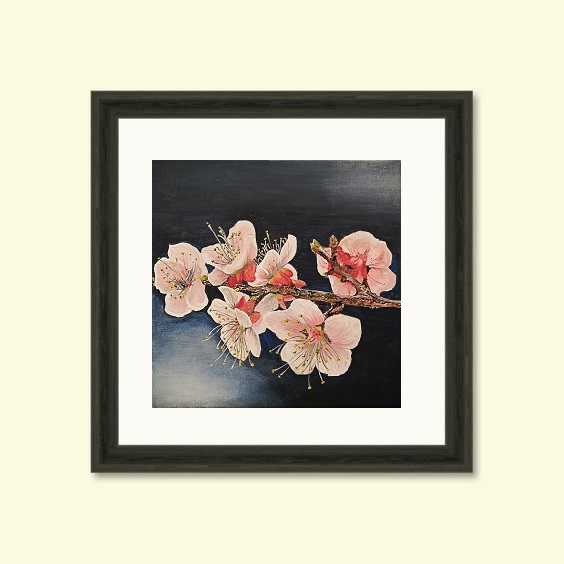
The New Year has opened up new possibilities for my paintings. It’s a breath of fresh air with a change in style and direction. And I succeeded with my first work.
Though winter’s chill lingers, “Blossom” captures the hopeful promise of spring. This original acrylic painting celebrates the return of sunlight, the anticipation of blooming trees, and the warmth of brighter days ahead. It evokes a sense of faith in new beginnings.
Created with acrylic and ink on canvas, this piece showcases a fresh artistic approach. The finished sides allow for frameless display, making it a versatile addition to your art collection. The small size makes it ideal for adding a touch of nature to a cozy corner or smaller wall space.
“Blossom’s” botanic subject and blend of classicism and art nouveau styles create a timeless appeal. Its photorealistic touches bring a modern sensibility to this classic theme. Imagine this painting bringing a breath of fresh air to your home or office.
Invite the optimism of spring into your space with “Blossom.” Add this unique, small-sized acrylic painting to your collection today and let its beauty brighten your surroundings.
Blossom at https://www.saatchiart.com/en-ca/all?query=helen%20polishuk with SPECIAL price under 500$.
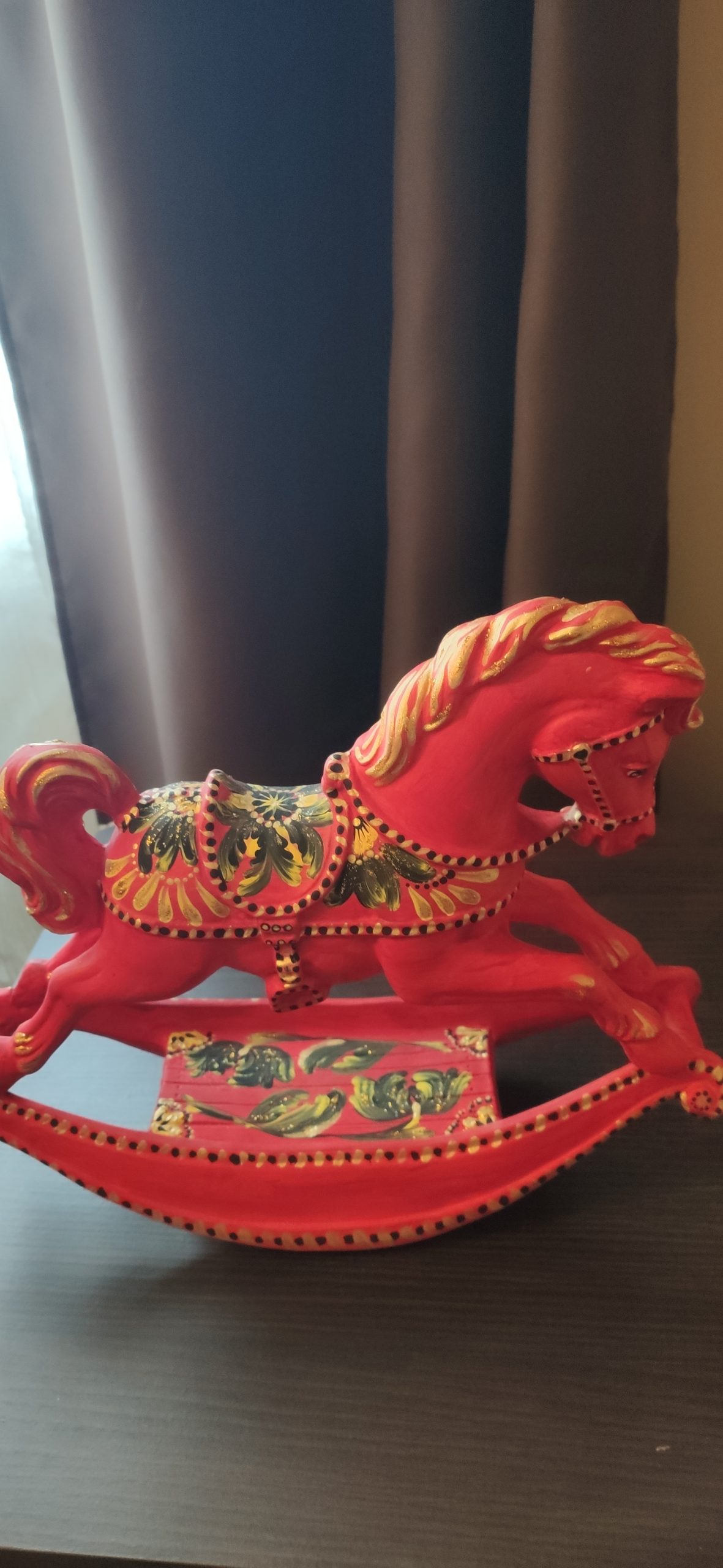
The New Year is galloping by in all its glory and unbridled speed. Maybe it’s just me feeling like the days are flying by faster than they did a few years ago? Apparently, as I get older, I find myself wanting to just sit and do nothing, look out the window, read a book, watch the birds chirping outside, admire the flowers I grew myself, play with my grandchildren, and simply pass the time. I can’t say I get tired of it. On the contrary, it brings me more and more pleasure with each passing year. The fiery fortnight of January has already passed. The red fire horse will soon enter its domain, and the year is shaping up to be the year of the red fire horse. And I’m still going through my work, looking at my sketches, analyzing what I’ve created in recent years, what’s good, what I don’t like. And I read and listen a lot. I’m especially interested in the most pressing topic: art management. An artist studies, creates, and produces to be sold. This is the artist’s main motivation. Even in the most difficult financial situation, an artist dreams of selling their works and turning them into capital. No matter how difficult this may be in today’s circumstances, one must constantly analyze and improve oneself through study to keep up with fashion and trends. I want to harken back to the early years of my creative work, when I created my paintings without much emphasis on sales, but many of my paintings have become collections of cultural centers after numerous exhibitions of my work. Today, much has changed, and what I especially want to share with you is my desire to expand the potential of each work to maximize its sales potential. So now I’m calculating whether I should buy equipment and create additional products to popularize my art, or leave everything as is due to my poor financial situation. After all, that would mean upfront payments, investments, and investments in a future no one knows. We didn’t know that in 2019 and 2020 we would be in quarantine, and then in a major financial crisis. In times like these, saving is better than spending.
It’s a leap, but I’d call it a risk. Another thought occurred to me: I’m holding myself back more and more. I’m becoming slower and slower. And I’m less and less willing to change anything; I’m giving up so many things, even beyond my capabilities. Oh well. Let this fiery horse gallop. Good luck to him and everyone in this fiery year.
If you translate the word “fiery” and look for its synonyms, it perfectly describes the first days and weeks of the new 2026 year. We don’t expect any surprises this year, but rather a rather unpredictable one.
I won’t tell you how important our teeth are for us. They are our healthy body, our mood, and our peaceful life.
Today I had my tooth treated. Nothing special, except that I’m a dentist and I used to work there and treat others’ teeth. Now I’m a bit old and can write and talk about it. In my practice, they used different filling materials and anesthesia, and the approach to treatment was different. There are many other innovations and inventions now, but the main thing remains: a healthy tooth is always better than a dead one.
Yesterday, I just bit into a piece of meat and felt the tooth with the filling crack. It cracked so badly that the filling was still in place, but half the tooth was loose. And a real burning sensation started around it—pressing it became painful. I skipped dinner and decided to fast because chewing was so difficult. And it wasn’t a molar, not a front tooth. It was a lateral tooth. Such a tooth has its own characteristics. It always consists of two roots and two nerves. All night I imagined it, trying to guess where and how it cracked.
If it’s cracked in the middle, treatment may involve its removal, as the two roots will separate. If it’s cracked laterally and deeply, the nerves need to be removed and the canals filled. And when there’s inflammation, like mine, this procedure isn’t very gentle, as the inflamed nerve prevents treatment and will react. In those days, when I was practicing, arsenic was used. It helped quickly kill the nerve and give the dentist access to the cavity. Arsenic is no longer used. Therefore, the procedure itself isn’t very gentle. I slept peacefully and didn’t feel any pain, although I need special treatment—I have a low pain threshold, I’m very patient, and I tolerate pain, even if it’s very severe, like renal colic or appendicitis. So don’t ask me if it hurts. I won’t answer this question very well. I’ll probably say, “It’s bearable.” And that would mean, “It hurts, damn, what are you even asking?” This morning, I was already bracing myself for a trip to the dentist, as you shouldn’t wait more than 24 hours for a broken crown—it’s an emergency procedure. And I agreed with myself that the tooth needs to be depulped, which will significantly accelerate its decay and quickly lead to its loss. The filling will be large, and a depulped tooth lasts a maximum of five years, after which it begins to decay, since a dead tooth has no calcification.
Just like that, a tooth gets lost out of nowhere. It cracked. I’m over 60. What does this mean? It means that if we, those born between 1950 and 1980, start losing our teeth in our 20s, then by the time I’m 60, almost 50% of our teeth will be gone, especially those lateral ones. And then the worst thing will happen: to have a beautiful smile, people will start filing down and destroying adjacent teeth to put in cosmetic bridges, which in 5-10 years will take away more teeth. By my age and a little older—70—a person will end up with full dentures or, at best, implants. The later fillings are placed on lateral teeth, the healthier the body and the longer a person’s natural teeth will last, and that means health. But if they crumble—and I’ve had two cases recently where my teeth simply crumbled. One sadly lost its nerves and now sits like a stump, awkward to bite on, but it stays in my mouth. And the second—just today. Suddenly, not from hard food, without any prior symptoms, healthy, and then suddenly it crumbled. Does this mean there’s a problem with my system and a calcium deficiency? Perhaps. And not only that, in my region there’s a vitamin D deficiency, not enough sun, and my eyes are going blind—we live in the north and in a snowy country, where even perfectly healthy people begin to suffer from a lack of vital elements in the body. And no matter how much scientists study this, no matter how many vitamin supplements they recommend, it doesn’t help us. I actually thought yesterday, driving back to Toronto at 4 PM, sitting in the car, that we’re unlucky with the sun, when I had to turn on the car lights because it was dark. The sun’s already gone at 4 PM. If it wants to shine in winter, it’ll come out for two or three hours and that’s it. Anyone who doesn’t get to enjoy it is unlucky. And it’s like that for six months a year. There are many winter days when there’s no light at all, it’s dark in the morning. And then there’s snow, blizzards, poor visibility, snowdrifts, and all that other stuff that’s so typical of Canada. So, about teeth.
Take care of your teeth. Keep them healthy as long as possible – this is the key to your good health and your good mood.