Last Day of September 2026

With the arrival of October, the calendar of events shifts lazily. Autumn, too, arrives at a leisurely pace.
It knows we aren’t going anywhere—that we’ll have to dress more warmly, spend more time indoors eating through the stores we gathered over the summer, and venture out less into the rain and snow.
It knows that the trees, however comfortable they may feel, must shed their leaves. And how tired I am of clearing away the neighbors’ leaves—leaves from their trees that fall not onto their own property, but right onto ours, thanks to the way the branches lean. Oh well; I’ll climb onto the roof again and trim back the neighbors’ branches that grow toward our side. The neighbors couldn’t care less. They won’t pay for such services, yet they pretend to be diligent about maintaining their landscaping. So, I’ll climb up and clear my roof to prevent rot—after all, I’m the one who would have to pay for the repairs if it were damaged.
Then I’ll gather everything lying on my property, rake the leaves into special bags, and set them out for trash collection. I’ll free my plants and ready them for winter: pruning the dead growth, mounding soil around the three fruit trees, and bundling the raspberry bushes in preparation for the coming snow.
And then I’ll head north. I’ll welcome the first day of October in the truly wild northern reaches of Ontario—amidst waterfalls, dense forests, winding trails, and rocky cliffs.
I plan to write a story about this and enter it into a competition; the call for submissions is already out, and the deadline is approaching. I’ll paint another autumn landscape based on this, and next time you’ll see it in person.
After that, I’ll celebrate all the family birthdays that fall during this period; I have a wonderful, large family with many birthdays around this time.
Then, I’ll start taking new psychology courses. Why do I need them? I’m familiar with the Soviet-era psychology of the 1980s. A lot has changed since then, and—with retirement just a year and a half away—I need to acquire new knowledge. After all, science and the thirst for learning haven’t gone anywhere. The previous courses were just the beginning; now comes the continuation.

The next step is preparing for the workshop. Right now, I’m in a bit of a holding pattern regarding this. The responsibility weighing on me involves several key questions: will people actually be interested in this? Can I effectively present it to the organization hosting the workshop? And what will I personally gain from the event? So, I’m diving into October with plans, fresh thoughts, and a host of interesting ideas.
Meanwhile, a Blue Jay has just swooped in outside my window, whistling and singing its distinctive song. This bird is a symbol of the local Ontario area; I love it for its feisty personality—it’s a predator that attacks, commanding fear and respect from other birds and even squirrels. Today, it’s perched near the bird feeder. This bird has become a regular visitor; it settled in the area over a year ago and frequently comes by to forage. I also have plenty of local squirrels and a small rabbit—born this year. If the neighbors don’t eat him, he’ll go on to have offspring of his own. I hope he’s craftier than my neighbors. And, of course, there are my three male Chihuahuas who keep watch over the place.

And me, too.))

Have a nice day,my friends
About Sushi

The culinary phenomenon of sushi begin in Japan, but rather as an ancient fish preservation method in Southeast Asia along the Mekong River. It evolved over a thousand years from a pungent, fermented survival food into the fresh, fast-paced delicacy we recognize today.

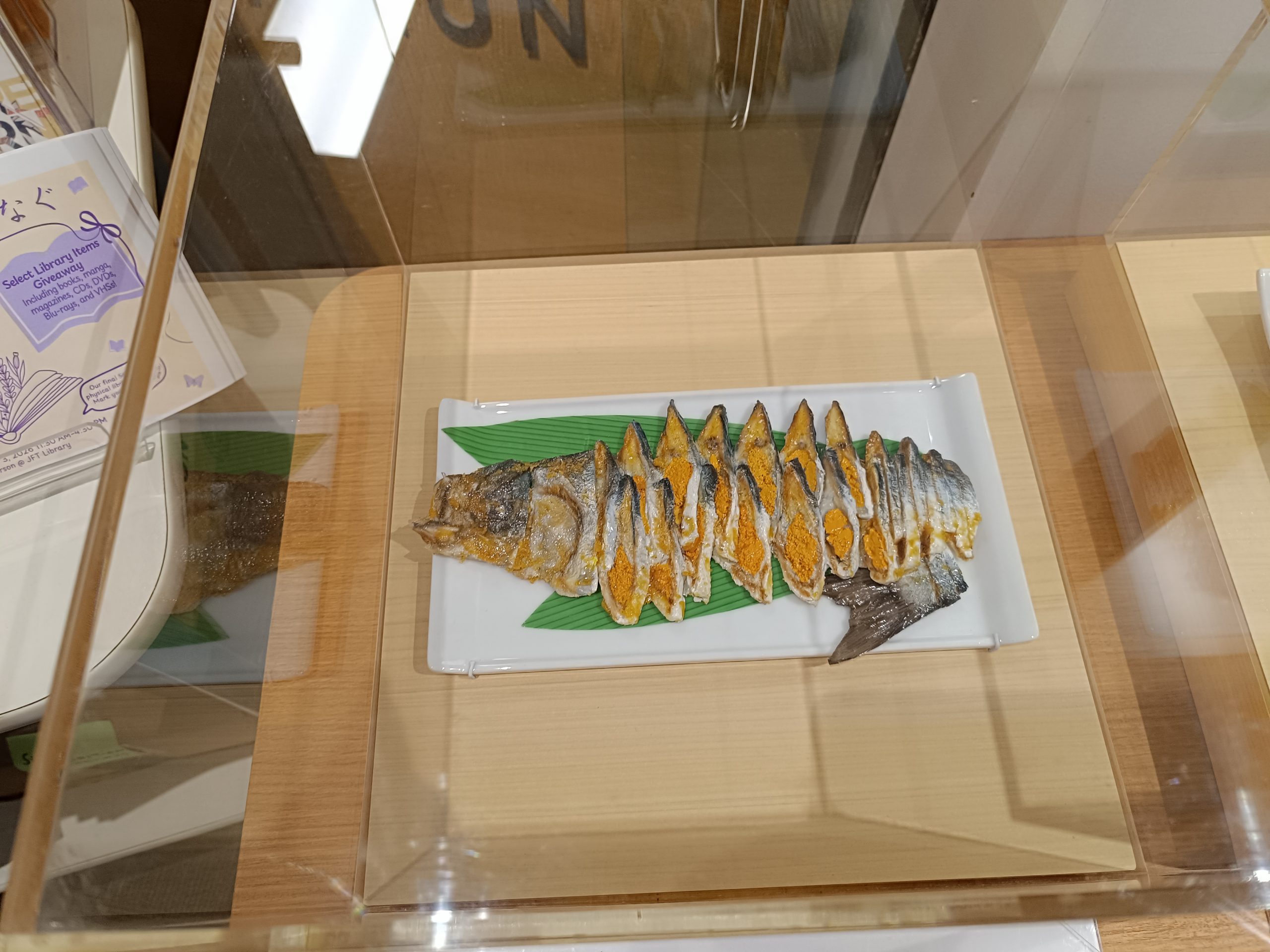
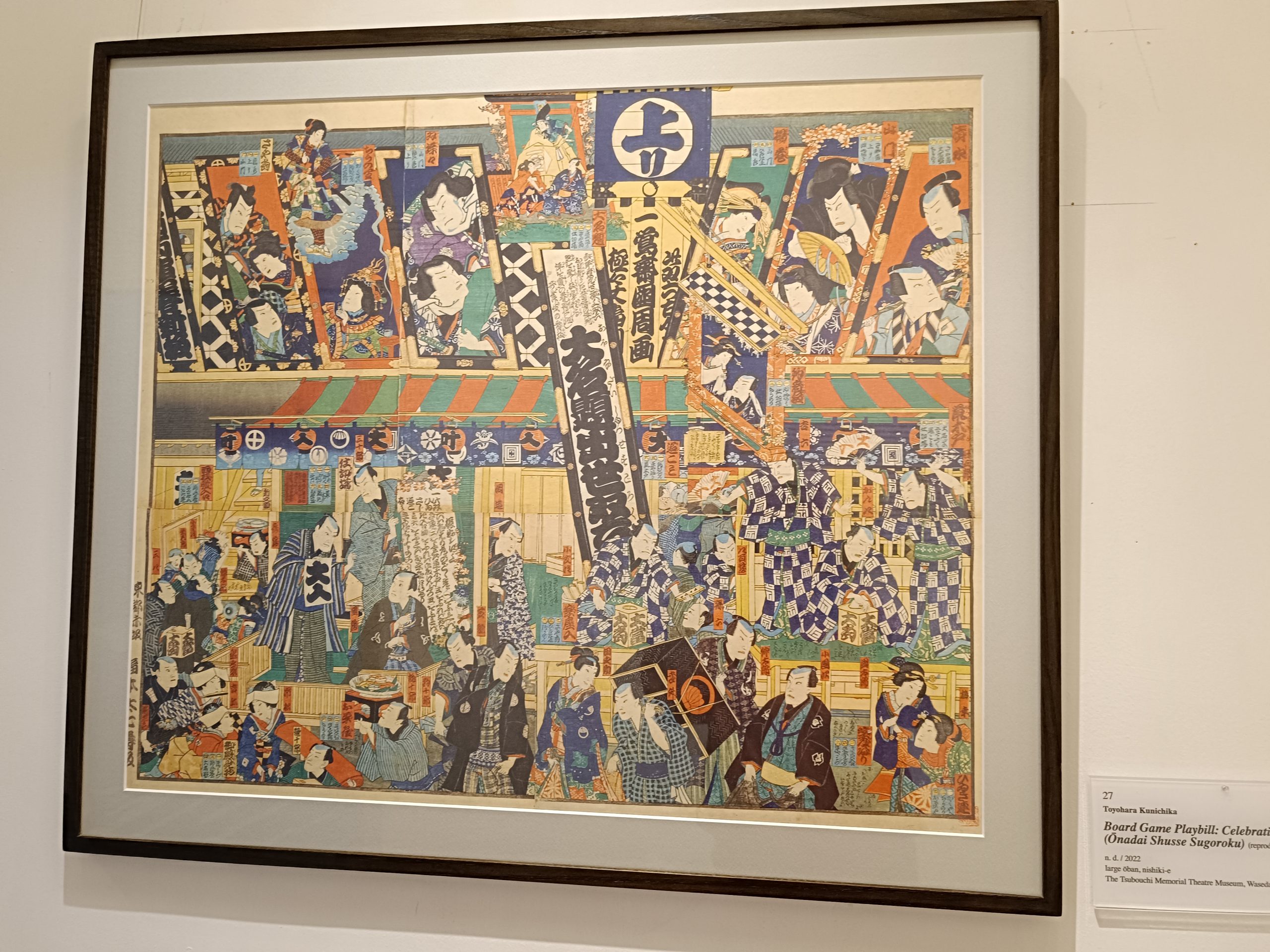
The oldest form of sushi was as a method used in 2nd – 8th Century in Japan to preserve freshwater fish by packing it with salted, fermenting rice. The rice produced lactic acid to keep the fish from rotting. Crucially, the fermented rice was discarded because it turned mushy and foul-smelling—only the preserved fish was consumed.This is named Narezushi sushi and long history about this sushi I received from sources at the exhibition in Japanease Foundation this week.

Long before reaching Japan, the technique emerged in Southeast Asia—specifically along the Mekong River basin (modern-day Laos, Thailand, Cambodia) and Myanmar. Indigenous groups devised a way to scale, gut, salt, and pack freshwater river fish into barrels with cooked rice.

As the mixture sat, natural lactic acid bacteria consumed the rice carbohydrates. The resulting lactic acid acted as a heavy chemical shield, preventing standard decomposition bacteria from rotting the meat.

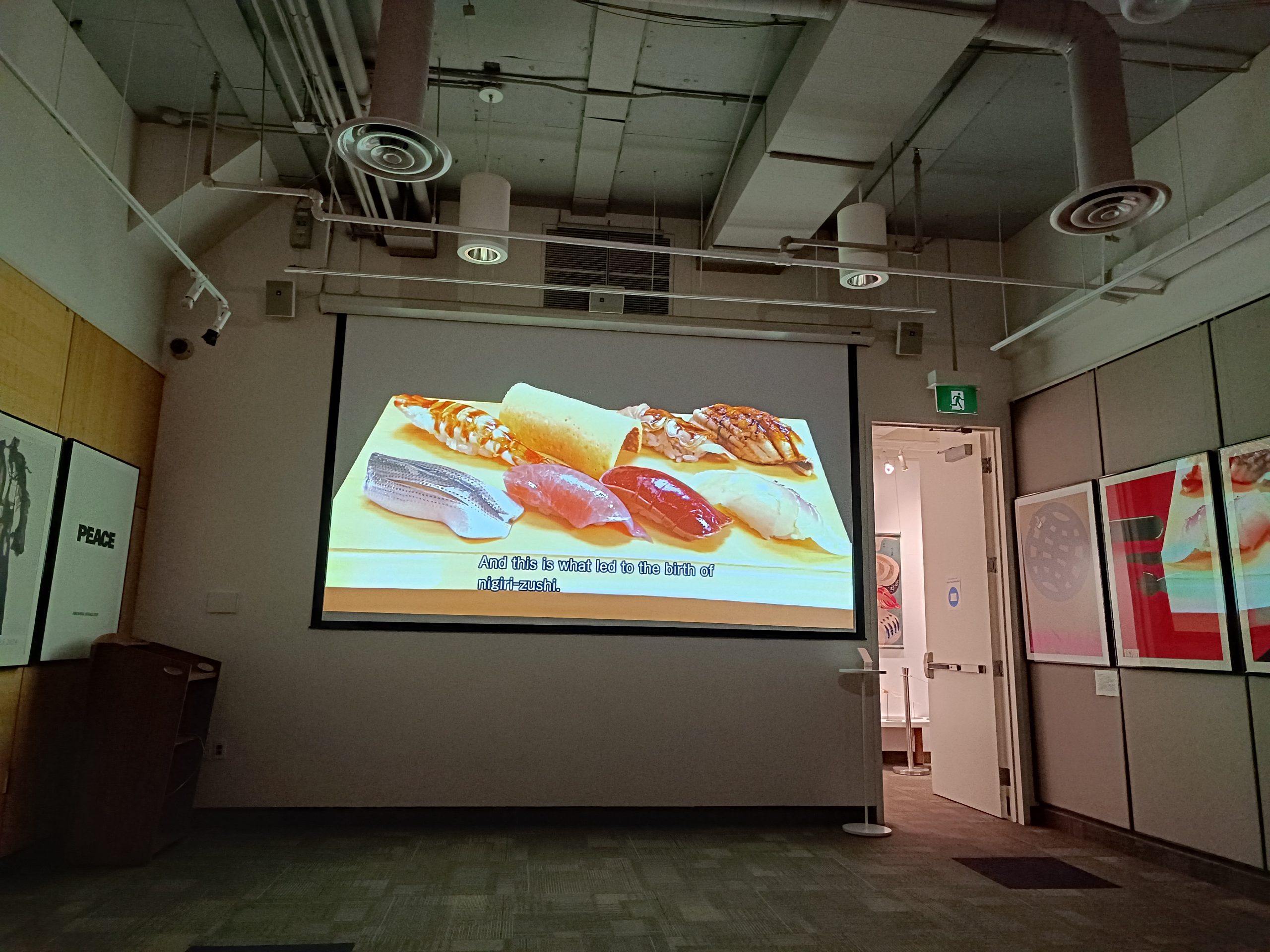
By the 2nd to 4th century CE, the method spread into southern China, where it reached peak popularity during the Song Dynasty. It migrated to Western Japan around the Yayoi Period and in appearance, it bore no resemblance whatsoever to our concept of sushi as such. It was the great-grandfather of our modern method of preparing sushi.The exhibition featured models of the earliest sushi and screened a film about its history.

Modern sushi is all about fresh, delicate seafood and eating the vinegared rice. Original narezushi was the complete opposite.Unlike the light taste of a modern roll, narezushi is notoriously pungent and incredibly sour. Scientifically, its odor profile has been measured as one of the most intense food smells in the world (often compared to an intensely sharp, aged blue cheese).

While modern nigiri dominates global cuisine, you can still eat authentic, ancient-style narezushi in a few historic pockets of Japan.

This technology has now been improved and is used in some dishes with certain types of fish. For example, for mackerel-boasting an 800-year history, mackerel is packed with rice and wrapped tightly in leaves. Because it’s only fermented for a few days, the rice is intentionally eaten alongside the fish.

For wild carp-aged up to 2–3 years. The fish bones completely soften, and the local delicacy is thinly sliced—often prized for its orange, cheese-like roe—and paired with sake.

As the practice spread to Japan, the Japanese fundamentally transformed it. Because rice was incredibly precious, people shortened the fermentation time to a month or two. This left the fish partially raw and the rice tangy but edible, creating the first version where both the fish and the rice were eaten together.

That is how they came into being Hamanare and Nama-narezushi in 14th – 15th Century in Japan.

With the widespread commercial production of rice vinegar, chefs discovered they could entirely bypass the lengthy fermentation process. By mixing vinegar directly into fresh rice, they could instantly mimic the sour taste of fermented sushi, inventing “fast sushi” and that is how they came into being Hayazushi (17th – 18th Century).

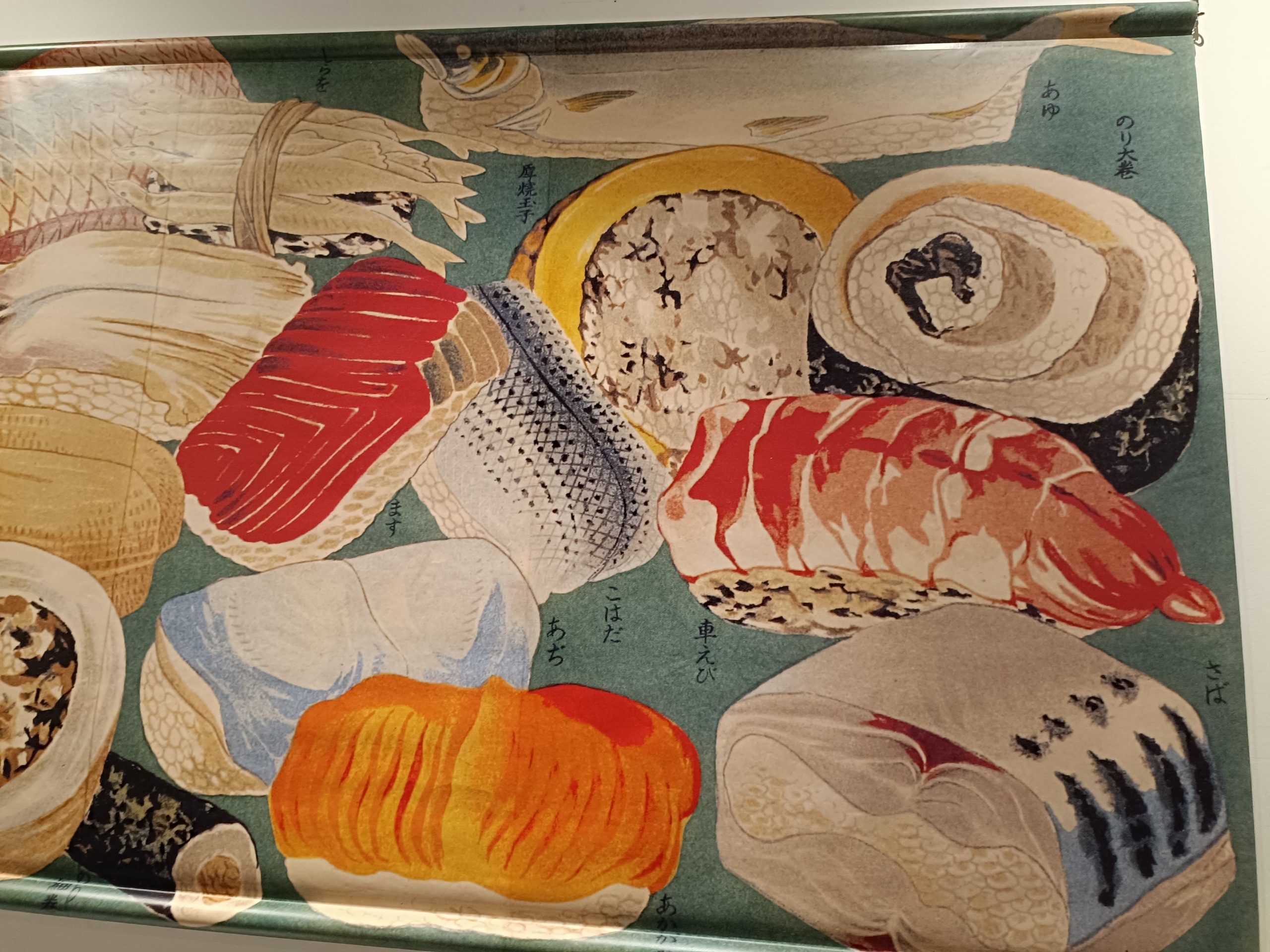
Later,in around 1820-s,a creative street-food peddler named Hanaya Yohei revolutionized the dish in the bustling city of Edo (modern-day Tokyo). To feed busy workers quickly, he began shaping small oblongs of seasoned rice by hand and topping them with fresh, raw slices of local fish caught straight from Tokyo Bay. This became the literal blueprint for modern sushi and for today in Tokyo we are have street Sushi Avenue,along which samurai transported prepared sushi.Nigiri sushi remains the most popular sushi in Japan to this day.

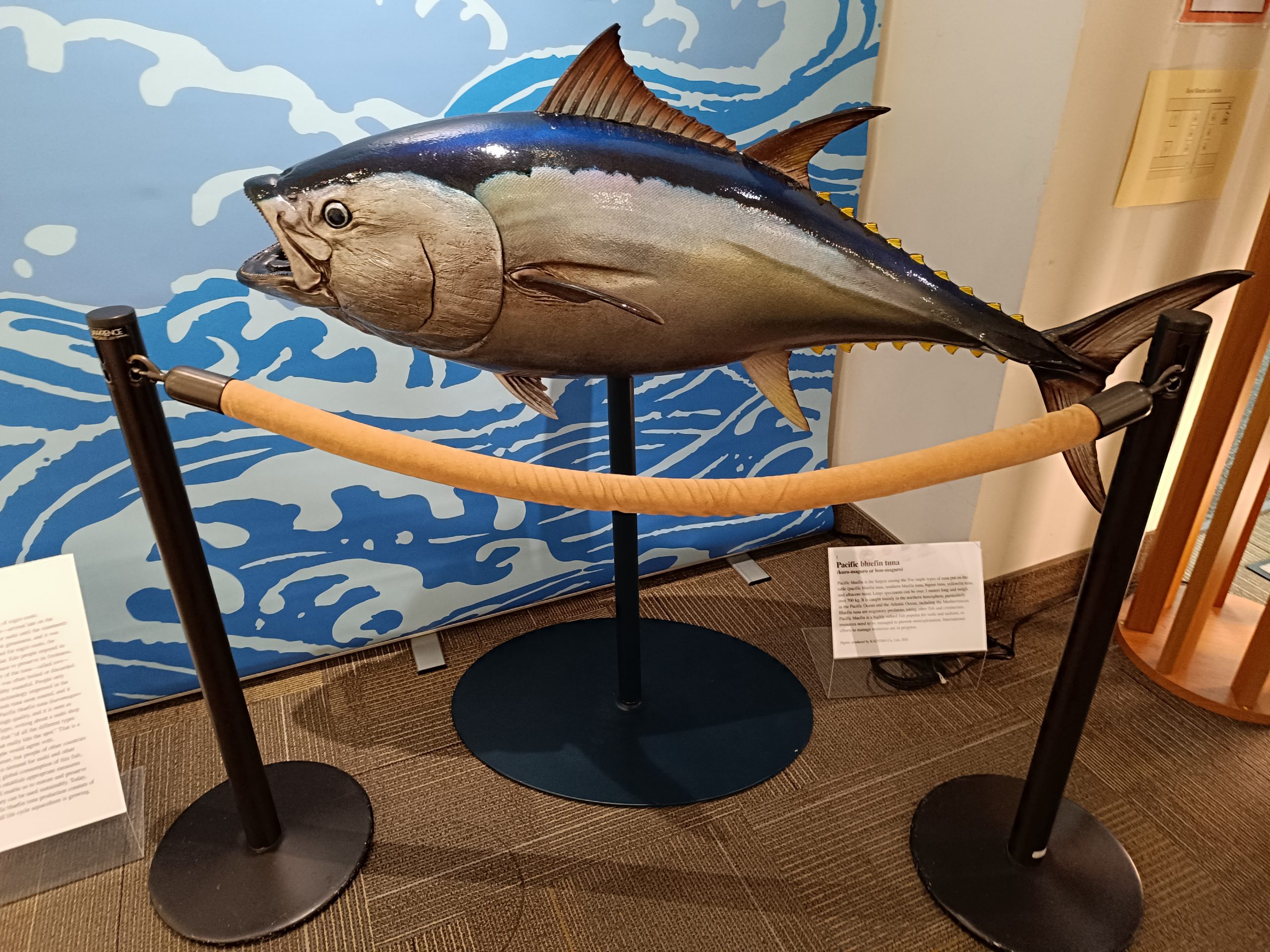
The history of using tuna in sushi making is interesting.Today, bluefin tuna (maguro) is the undisputed king of the sushi world, but it was historically despised in Japan. For centuries, tuna was considered an unlucky, low-class “garbage fish” (gezakana).

In ancient Japan, aristocratic diners strictly avoided tuna for three reasons: the old Japanese word for tuna was shibi. This was homophonous with the phrase shibi meaning “day of the dead,” making it highly taboo and bad luck to serve; tuna is a warm-blooded, highly metallic migratory fish and without refrigeration, its dark red meat oxidized and turned a repulsive, foul-smelling brown almost immediately after being caught; and when peasants had no choice but to eat it, they would sometimes bury the meat in the ground for four days to let it ferment, just to mask the bloody taste.

The true golden age of tuna didn’t arrive until after World War II, fueled by two massive shifts.

During the post-WWII American occupation, the Japanese diet rapidly shifted toward Westernized preferences for higher fat contents, beef, and dairy. Suddenly, the rich, buttery texture of toro went from greasy to luxurious.

By the 1960s and 70s, the invention of specialized electric flash-freezers (-60°C) and commercial air freight allowed global airlines like Japan Airlines (JAL) to transport perfectly preserved fresh bluefin from places like Atlantic Canada directly to Tokyo’s markets overnight.

Today the cuisine has evolved into a massive $18.28 billion global industry that blends strict Japanese tradition with high-tech automation and modern lifestyle values (The Businesse Research Canada).

Ironically, the ancient history of narezushi has come full circle. Some avant-garde chefs are now experimenting with using traditional Japanese koji (fermentation starter) to add intense, aged umami depth to contemporary seafood and fatty tuna (toro) dishes.

Here are the top local sushi spots right here in Etobicoke, grouped by style and budget:

IKKOI SUSHI&RAMEN at 5084 Dundas St.W.,(20-30 $ per dish),KIBO SUSHI at 4925 Dundas St.,W.,(20-30 $),SUSHI RUN at 3351 BLOOR ST.,W.,and very popular ,,all you can eat” K&B SUSHI at 1184 The Queensway.

Photo and video made by Helen Polishuk&Astra Production 2026.

Aysanabee and the festival in Hamilton

To your delight, I’ll turn to the posts on my page.
Unexpectedly, it was almost three months away, but it was not so wasted, I went to Europe, to the distant native Ukraine, spent an hour there, completed difficult important inquiries, turned back through all of Europe to Canada.
Now I can give you news about the past, as well as about the current events that are happening around me.

You all know from past posts that I grew up listening music, I love both classical and modern music.
I follow the music of the Renaissance, supported by an organization in Toronto, developing this directly.

I love music so much.

https://youtube.com/shorts/Gkhva192HIs?si=5oTla0Sts27mfh9-
In the sense of the music of the indigenous peoples of Canada, the singer that has recently become known is especially dear to me, a singer with a very garish fantastic voice and a unique way of singing.
This is Aysanabee.

He is a singer-songwriter and multi-instrumentalist who performs indie-pop and alternative rock music.

He made his debut in 2022 with an album WATIN(2022).The album is named after his grandfather; the name translates from Ojibwe as “quiet” and “weather.”

The album told the story of life in residential schools for Indigenous children and enjoyed immense popularity.


As his fame grew, he began receiving invitations to perform at major concerts across America and started winning awards; after all, his voice is captivating, as is his style of musical accompaniment.
I am delighted that his subsequent albums have been released: NOMADS,SOMEBODY ELSE,WE WERE HERE.

For this reason I came to the SUPERCRAWL festival last week, on the 13th of Sunday in Hamilton.

He turned to perform at this festival. One of the first performances was at this festival, so he was able to continue the tradition and the completion of the festival was the performance of Aysanabee’s songs.

I arrived early for the concert to get a spot near the stage.
I had a wonderful opportunity to watch this talented singer preparing for the show.
It was great to see how meticulously and carefully he tuned his guitars and set up the microphones and sound system.
And then, the highlight for me began—his performance.
He has a band that I think is exceptionally well-chosen; the musicians are fantastic.
He performed songs from all his albums.
Within half an hour, the area near the stage was packed—there wasn’t a single empty spot left. People sang along, applauded, and danced.
It was a magical experience.
I left having bought his latest album, as it had just been released-EDGE OF THE EARTH.

This is a full-length album that was released in June 2025 ISHKODE RECORDS.For this album, in March 2026, the artist received two prestigious awards -JUNO AWARDS -in the categories “Alternative Artist of the Year” and “Contemporary Indigenous Artist or Group of the Year”.

Some of the first artists who were signed to a label ISHKODE RECORDS ,created by First Nations women to promote authentic Canadian music

The album’s title serves as a metaphor for a crossroads in life—a step into the complete unknown. While creating the album, the musician had to make difficult decisions and venture into the unknown.
I wish him continued success and a steady, unhurried pace—free from pressure, and full of enjoyment.
I see Canadian music transcending boundaries and embracing innovation. It is a pleasure to hear such talented artists, and I truly hope their work marks a new milestone in the evolution of our multifaceted Canadian culture.


After all, we are a multicultural society, and this diversity is both our heritage and our future.
May the voices of Indigenous peoples ring out alongside others—openly, diversely, and far and wide. Wish you best luck,AYSANABEE!

We are love you !