DIA DE LOS MUERTOS

The last week of October is very busy. It begins with the weekend and brings a huge number of events to the city.Diwali take place at Nathan Phillips Square,Howloween The Bentway (dogs parage) and DIA DE LOS MUERTOS at Evergreen Brick Works.

And the culprit behind all this is the Moon—yes, the full moon. The unique nature of these events is linked precisely to the Moon. For those who might disagree: I am not a scientist or an expert. This is simply what I think and feel—it is my own perspective. It represents the transition from a flourishing life cycle toward a decline—an inevitable part of our existence. And rather than viewing this process with depression and retreating into solitude, this celebration emerged, filled with vibrant dances, parades, and songs.

The Day of the Dead is a Mexican holiday dedicated to the memory of deceased relatives and friends. It is observed annually on November 1st and 2nd (with preparations beginning on October 31st).

According to belief, during these days the souls of the departed return to earth to visit their families. It is not a day of mourning, but rather a vibrant and joyful celebration that honors life and the memory of one’s ancestors.

Indoor or outdoor altars that families decorate with photographs of the deceased, candles, and the deceased’s favorite foods.

I’m showing how a ceremonial altar—featuring photos of loved ones—was decorated for the celebration in Scarborough.

I was surprised to discover that my favorite marigolds (Cempasúchil,чорнобривці,бархатцы) are used as a traditional decoration for a holiday. As a Ukrainian, I grow them myself—we hold them in high regard, sing songs about them, and consider them a flower deeply rooted in our own traditions. And yet, I found that they are also a traditional floral element for the Day of the Dead, where their bright orange color, scent, and petals are said to guide souls back home. Historians and scholars should look into this further; I’m simply highlighting the topic—it’s genuinely fascinating to me! This year, I even came across posts on social media suggesting that they are edible. They are toxic, it’s true, but some claim they can cleanse the liver. I’m not advocating for this, nor do I necessarily consider such claims to be reliable—but I do find it intriguing that these are associated with connecting to the souls of the departed, specifically because of their color, scent, and petals. Isn’t that truly interesting?

There, on the altar ( Ofrenda), there is coffee, corn kernels, and much more.
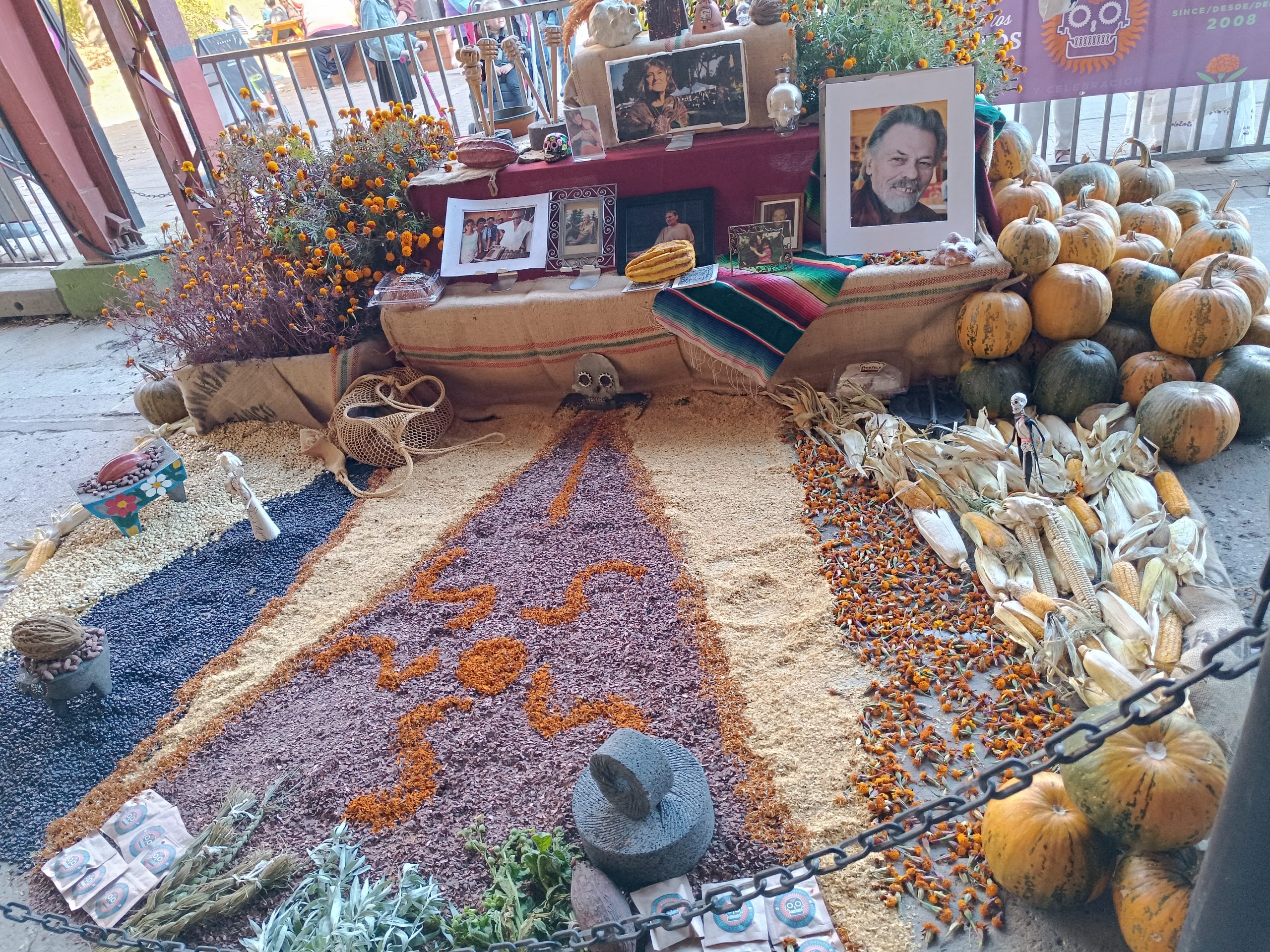
Symbolic skulls ( Calaveras) made from sugar or clay, often with the name of the deceased inscribed on the forehead.To be honest, I never really understood the skulls or the designs painted on them. I’ve traveled to Mexico many times and would see them sold as souvenirs, but I never stopped to wonder why there were so many, or why they were decorated and sold. Only now do I understand—it’s their way of honoring the memory of the deceased.

Traditional sweet pastries that are placed on the altar and eaten by the whole family (Pan de muerto).

Unfortunately, I have neither seen nor experienced it myself. One would have to be present at a traditional Mexican or Peruvian ritual to witness such a thing. However, I recall a conversation I once had with a museum staff member in a small town—I believe it was in Midland, Ontario, a place I’m quite fond of. They mentioned that, according to the beliefs of certain tribes in Ontario, there is a specific day each year when families or entire communities come together to commemorate those who have passed away over the course of that calendar year. They honor their memory through various acts: making offerings, presenting gifts, and lighting a ceremonial fire.

The popular image of an elegant skeleton lady in a hat, which has become the main symbol of the holiday-La Calavera Catrina.Between 1910 and 1913, the Mexican artist and engraver José Guadalupe Posada created a zinc etching depicting a grinning skull wearing an elaborate French hat adorned with feathers. The artist originally titled it “La Calavera Garbancera.” At that time, the term garbancera was used to describe people of indigenous (Indian) descent who were ashamed of their roots; they would heavily whiten their skin with powder and dress in European fashion, attempting to pass as wealthy aristocrats. Through his caricature, Posada mocked this snobbery, reminding everyone: “Death is absolutely democratic. Regardless of wealth or social class, in the end, we will all become skeletons.”
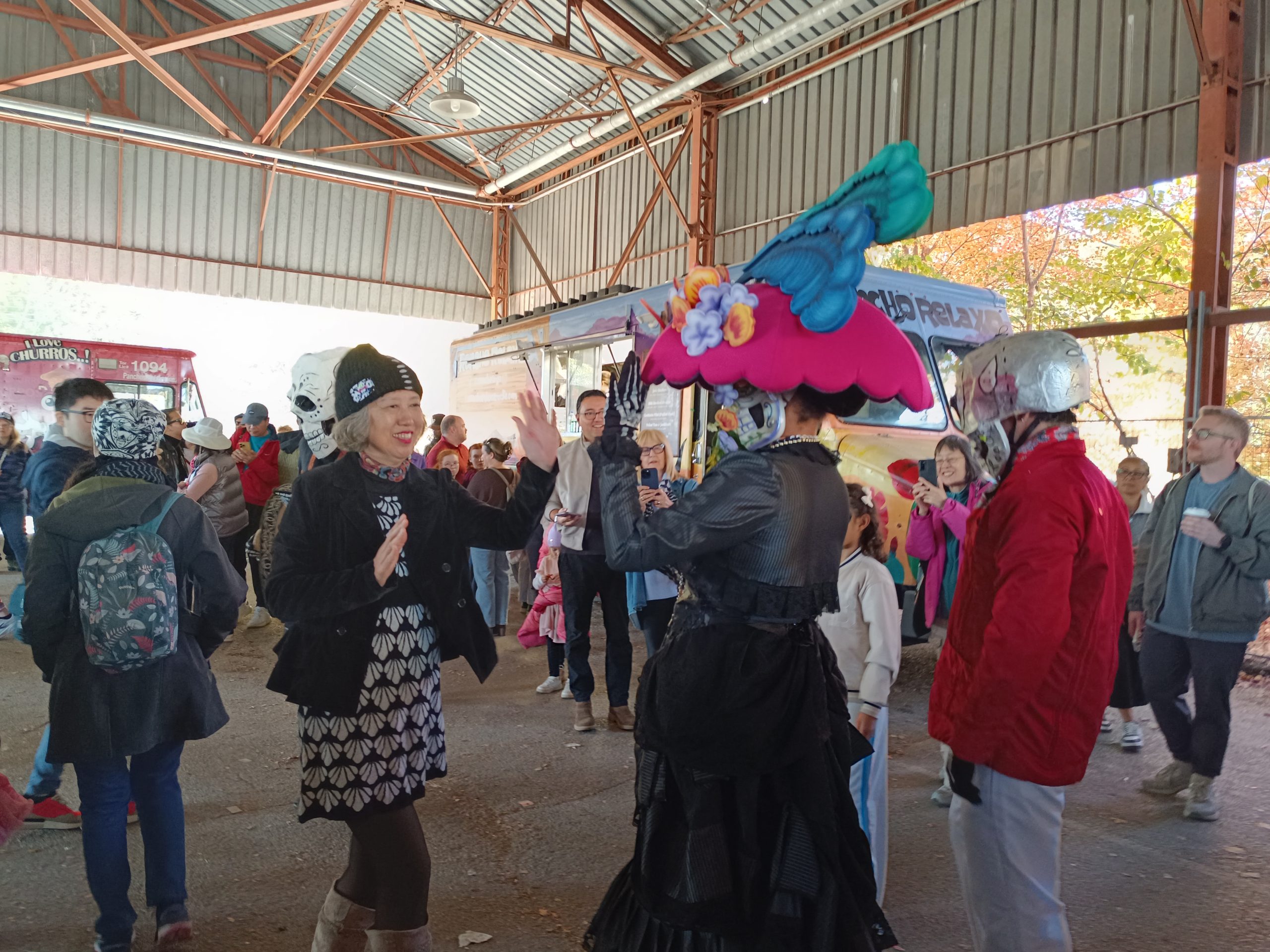
The figure gained worldwide fame thanks to the renowned Mexican muralist Diego Rivera. In 1947, he depicted her as a full-length figure in an elegant dress in his monumental mural, “Dream of a Sunday Afternoon in the Alameda Park.” It was Rivera who gave her the name “Catrina” (in the Mexican slang of the time, catrín meant a “dandy” or “fop,” while catrina referred to a “wealthy, sophisticated lady”).As you can see, all these symbols have developed only within the last century, evolving into dance processions, parades, and carnivals. This particular celebration kicks off a series of carnivals that take place across Latin America in its wake. And what’s especially wonderful is that, finally, we get to see it here in Toronto, too.

What are the differences and similarities between the Day of the Dead and Halloween?
The main distinction lies in the very essence of these holidays: Halloween is rooted in a fear of malevolent spirits and the mystical, whereas the Day of the Dead (Día de los Muertos) is a joyful celebration of love, respect, and the remembrance of one’s ancestors.

Both holidays are rooted in an ancient belief that, on these days, the boundary between the world of the living and the spirit world becomes as thin as possible.

They are celebrated on the same days in autumn and are closely linked to the Catholic All Saints’ Day (November 1).

In both cases, people use makeup and dress up in costumes. For Halloween, they choose scary or pop-culture-inspired looks, while for the Day of the Dead, they apply elaborate skull-themed makeup (Catrina) and wear vibrant outfits.

Sweets play an important role in both holidays, whether it’s candy for children on Halloween or sugar skulls and “bread of the dead” for Día de los Muertos.On October 25, this celebration took place in Toronto for the fourth year in a row. The host mentioned that it was the most successful year yet in terms of the number of attendees. Indeed, there was a very large crowd.

Vibrant, fun, and delicious—that’s how I’d describe the event. It gave me a boost that lasted the whole week. We even caught a performance by musicians from Mexico!
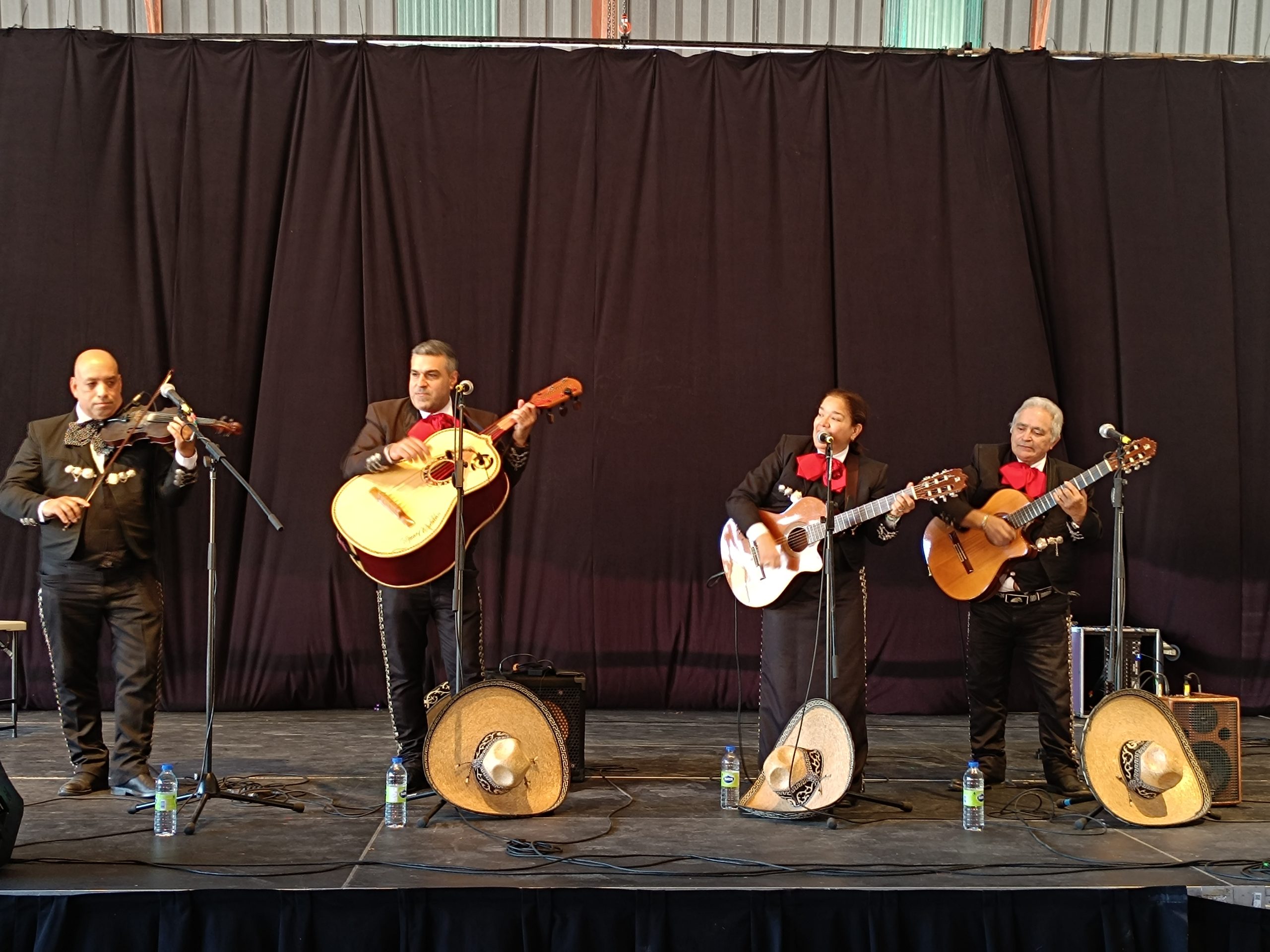
The renowned group México Amigo Mariachi performed on stage at the Good Mourning Festival at Evergreen Brick Works (their concert took place from 1:00 PM to 2:00 PM).I, along with everyone else present, was dancing.


Do you know what I am grateful to these people for in my life? For their temperament, charisma, melodiousness, and cheerful nature.

I admire these four performers for the way they fire up the audience; I sing their praises and wish them good health. They are over 70, yet they remain cheerful, full of life, and high-spirited.

After their performance, a parade took place, in which a lady in a black dress La Calavera Catrina brought up the rear.

We all managed to get some photos taken with them. It turned out they were a dance troupe that had come from Mexico, and the next event was a dance performance about Frida.

The performance about Frida Kahlo was performed at the festival by the dance group The Mexicans Folk Ballet.

This is a well-known Mexican folk ballet company in Toronto that annually prepares special drama and dance performances for the Day of the Dead. Their festive program traditionally includes theatrical dances inspired by the image of Frida Kahlo, as well as the famous “living” skeletons Katrina and the Mexican epic.

The figure of Frida Kahlo is central to this festival (and to the Day of the Dead as a whole) for several profound cultural, historical, and personal reasons. She is not merely a celebrated artist, but the perfect embodiment of the very philosophy behind the holiday:

Frida’s whole life was a struggle with severe physical suffering (after a serious accident). In Mexican culture, death is perceived not as an ending, but as a continuation of life. Frida reflected this in her art: she often painted herself surrounded by skeletons, skulls, and traditional Day of the Dead symbols. She was not afraid of death, but mocked it and glorified it, which perfectly coincides with the spirit of Día de los Muertos.

During her lifetime, Frida Kahlo did an immense amount to popularize indigenous Mexican culture. She made a point of wearing traditional dresses from the Tehuantepec region, weaving bright flowers—marigolds—into her hair, and collecting Mexican folk art. For the Mexican Folk Ballet and the musicians performing at a festival in Toronto, Frida serves as the primary visual symbol of Mexico.

In Mexico, in the famous “Blue House” of Frida Kahlo in Coyoacan, one of the most beautiful and large-scale altars (ofrendas) in the country is built every year. This tradition firmly connected her name with the holiday. People all over the world are inspired by her style when creating Katrina’s holiday makeup and costumes.

As the Evergreen Brick Works hosts the Good Mourning Festival, a festival dedicated to the theme of grief, loss and healing, the story of Frida Kahlo fits perfectly here. She is the world’s symbol of resilience, a woman who turned her personal tragedy, pain and near death into great, immortal art.
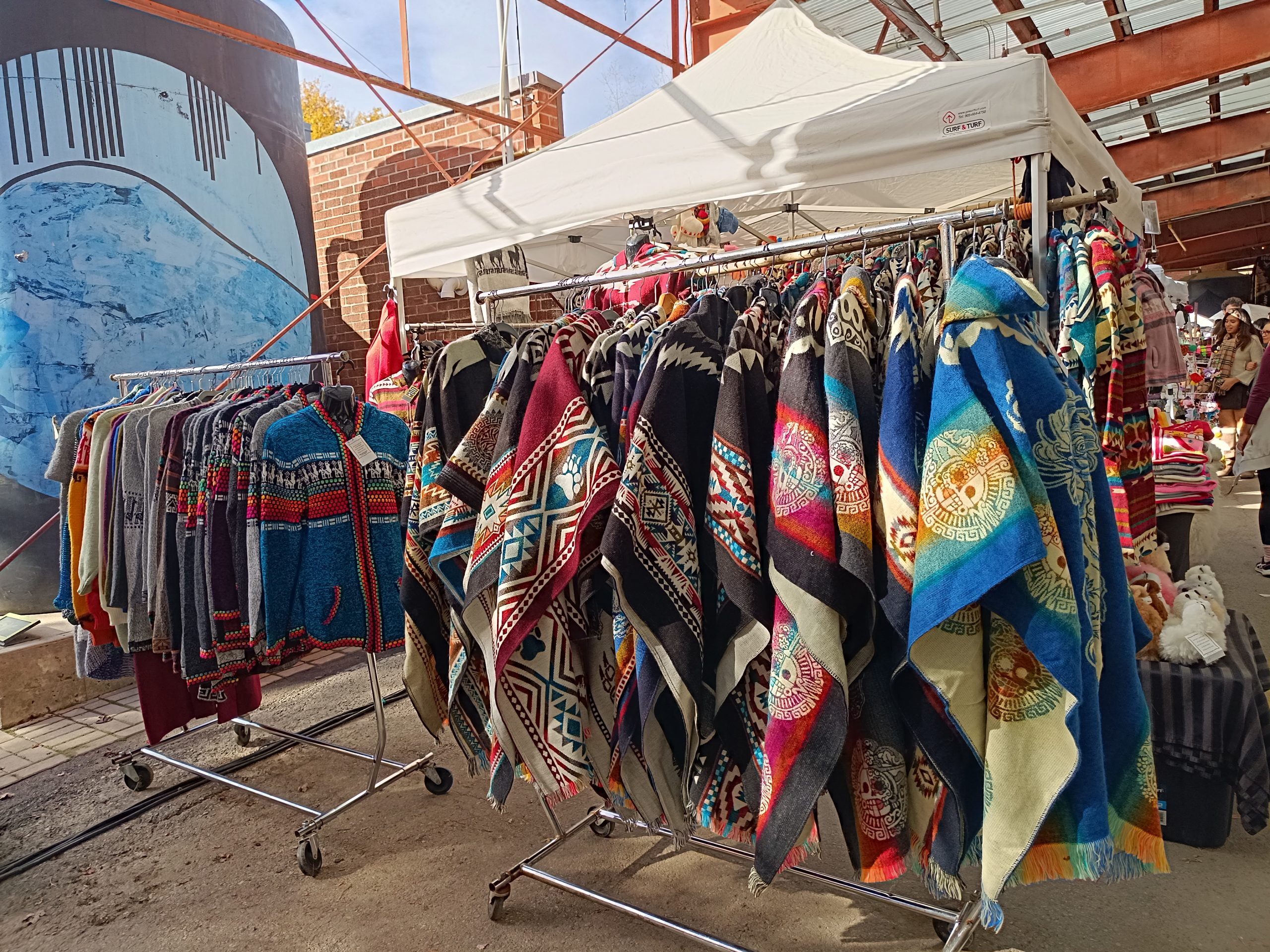
Finally, I saw alpaca-wool items and clothing in Toronto—and they were even cheaper than in Peru! I was also delighted to come across a young woman from Colombia doing beadwork.
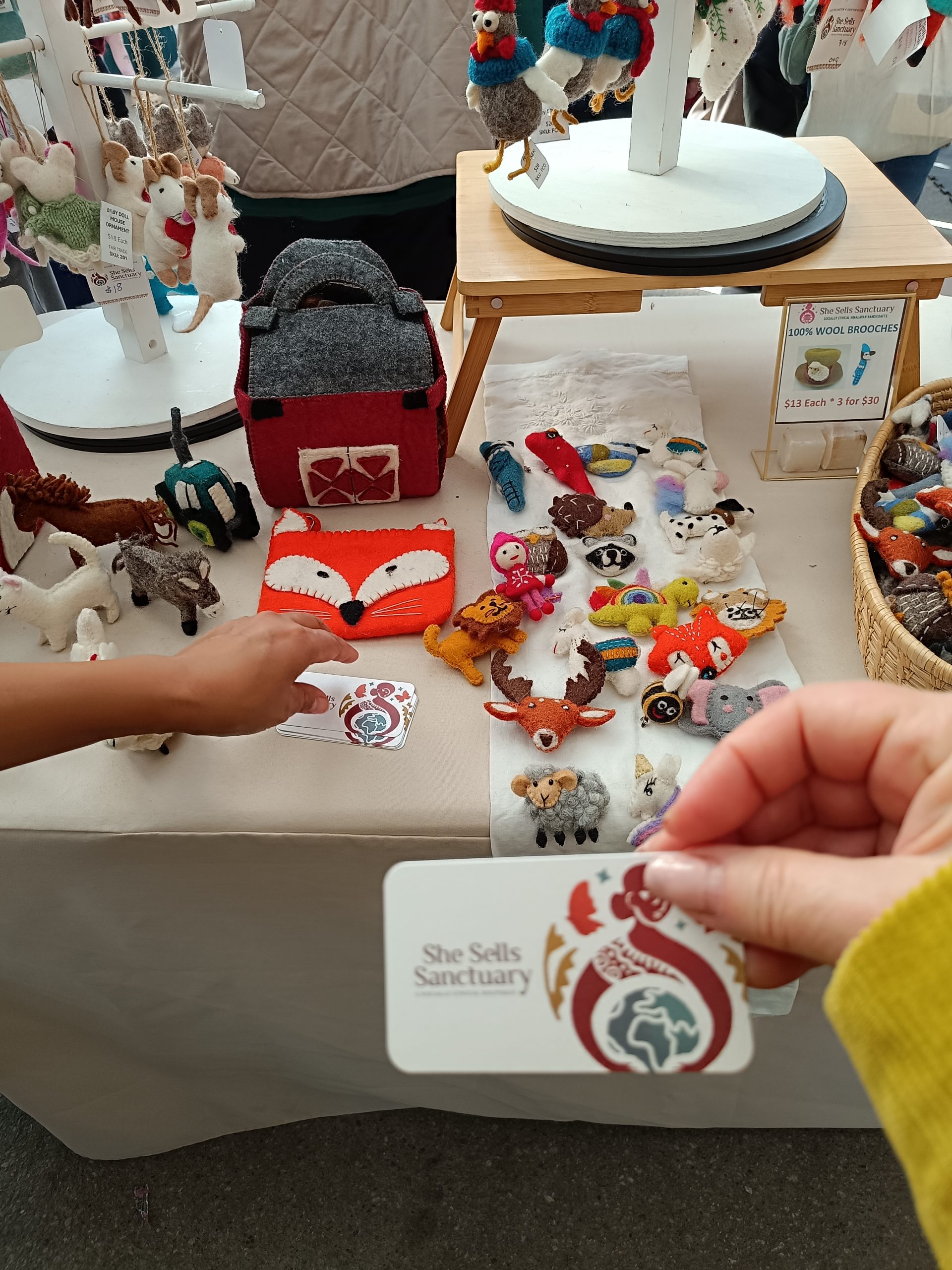
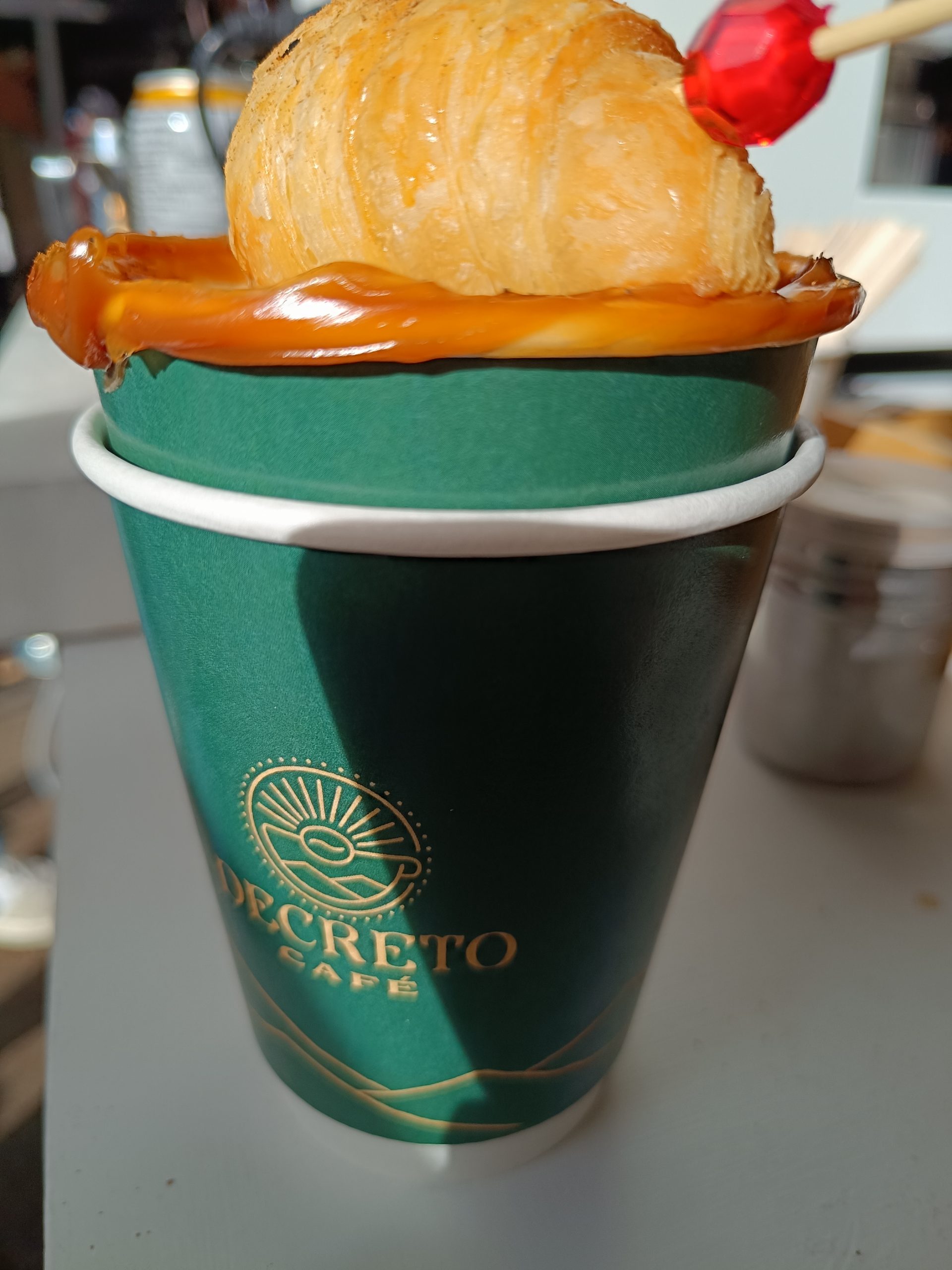
I took her business card; I’d love to invite her to the Ukrainian community center to showcase her craft to the Ukrainian women there. To top it all off, I waited in line for a Colombian latte topped with a croissant—it cost $8, and they actually have a café here in Toronto. But the real highlight was the taste of the Colombian coffee itself; the quality is superb.

The day was a success in every way. Instead of waiting in line for a free shuttle to the subway station or hailing an Uber or Lyft, we decided to walk—uphill! We must have covered about 6 kilometers, but it didn’t feel difficult at all. I’m left with a positive vibe that will last all week; I’m writing this on Monday, still happily reflecting on the event.
Oh, and I almost forgot the most important part: there were so many Chihuahuas there with their owners, each one clearly proud to have such a dog.For the ancient inhabitants of the Andes, dogs held a truly sacred significance—they were revered as guides for souls into the afterlife (psychopomps) and were sometimes sacrificed to the gods.

I even met a little black beauty who looked exactly like my own dog, Mimi. Without a second thought, I suggested they meet—but the owner replied that her dog had been spayed. Why are we so harsh toward our beloved pets? My dogs get to live their own natural, “doggy” lives—and that is the most important and valuable thing I could ever give them.

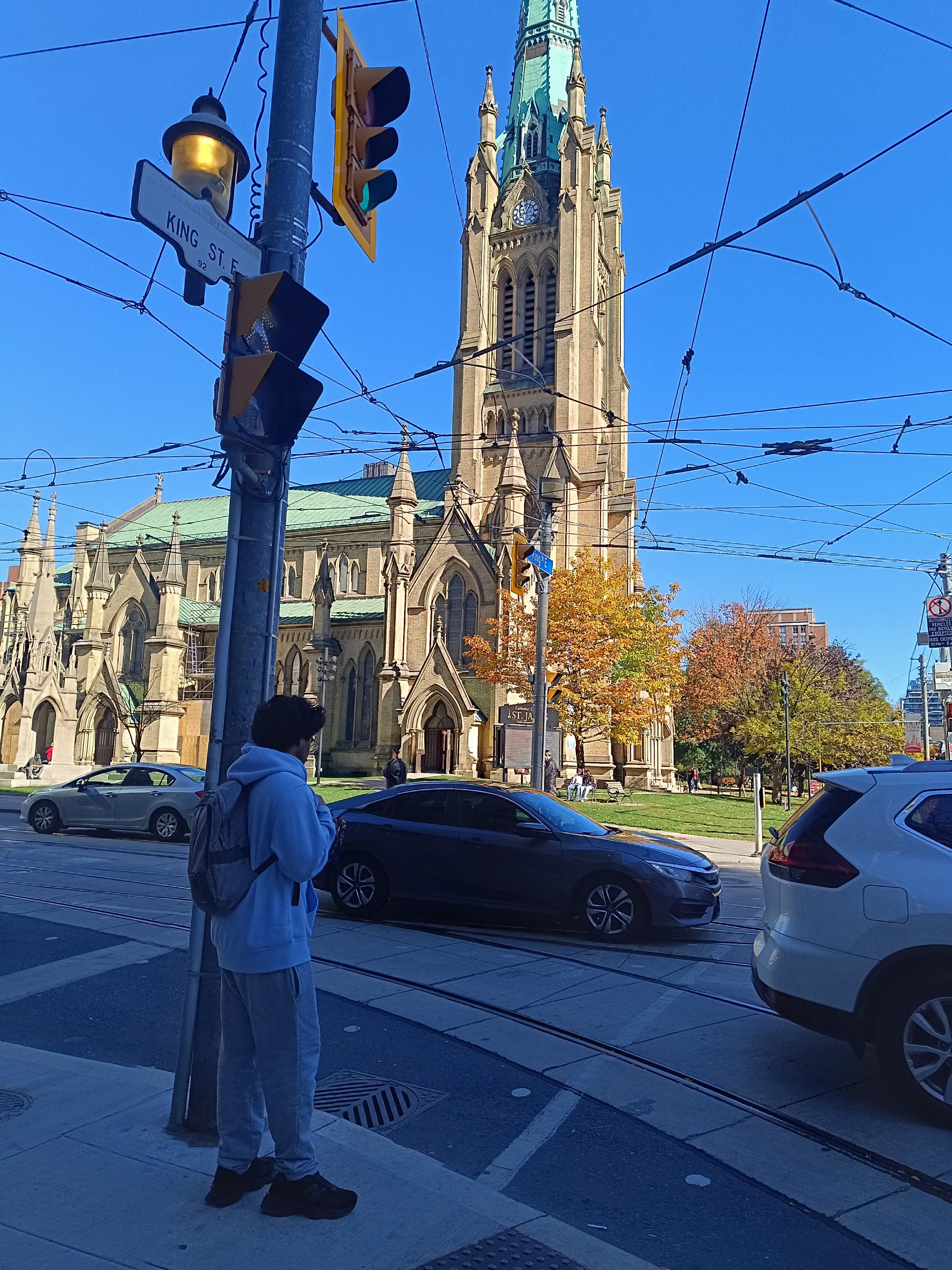
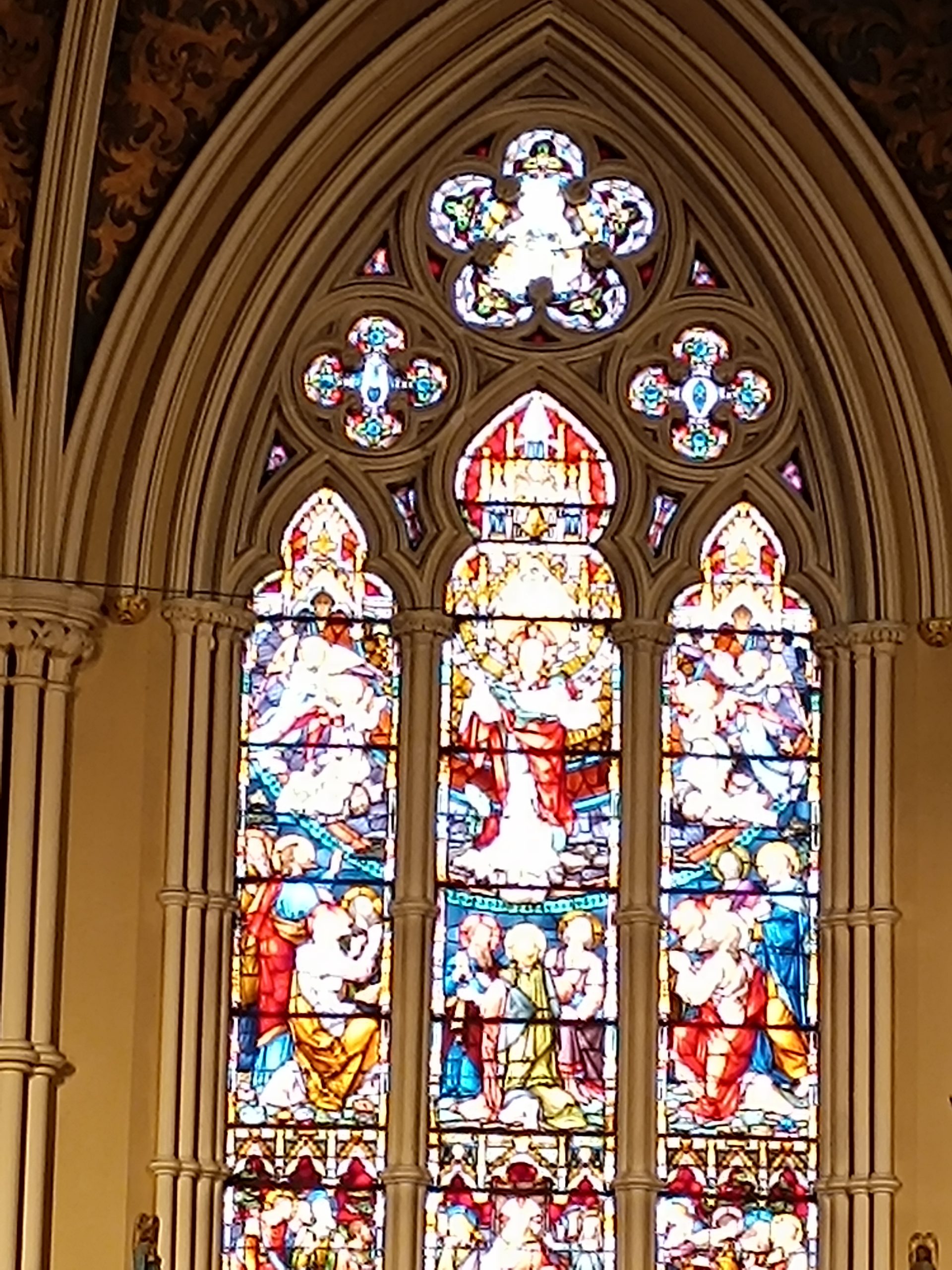
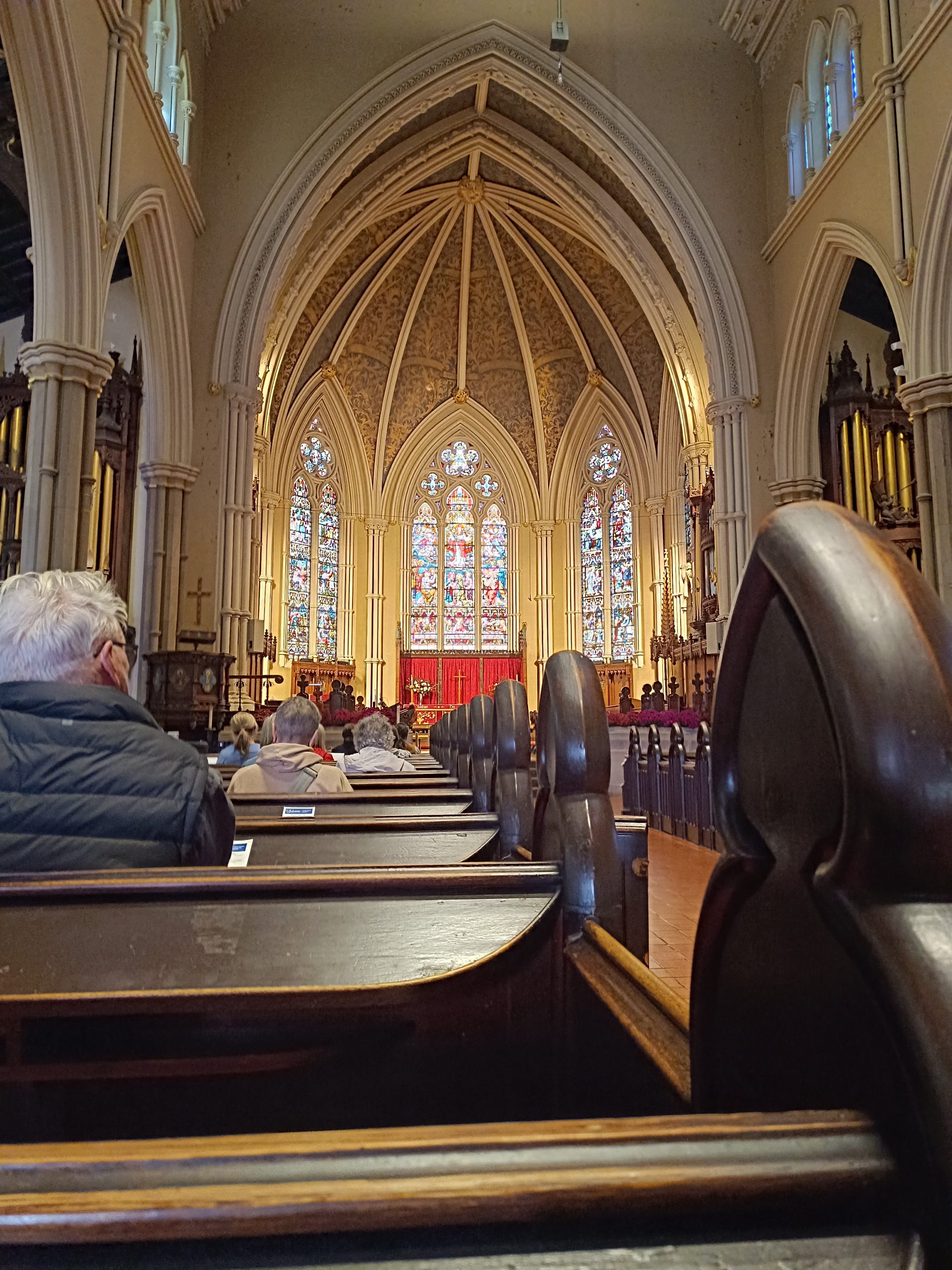
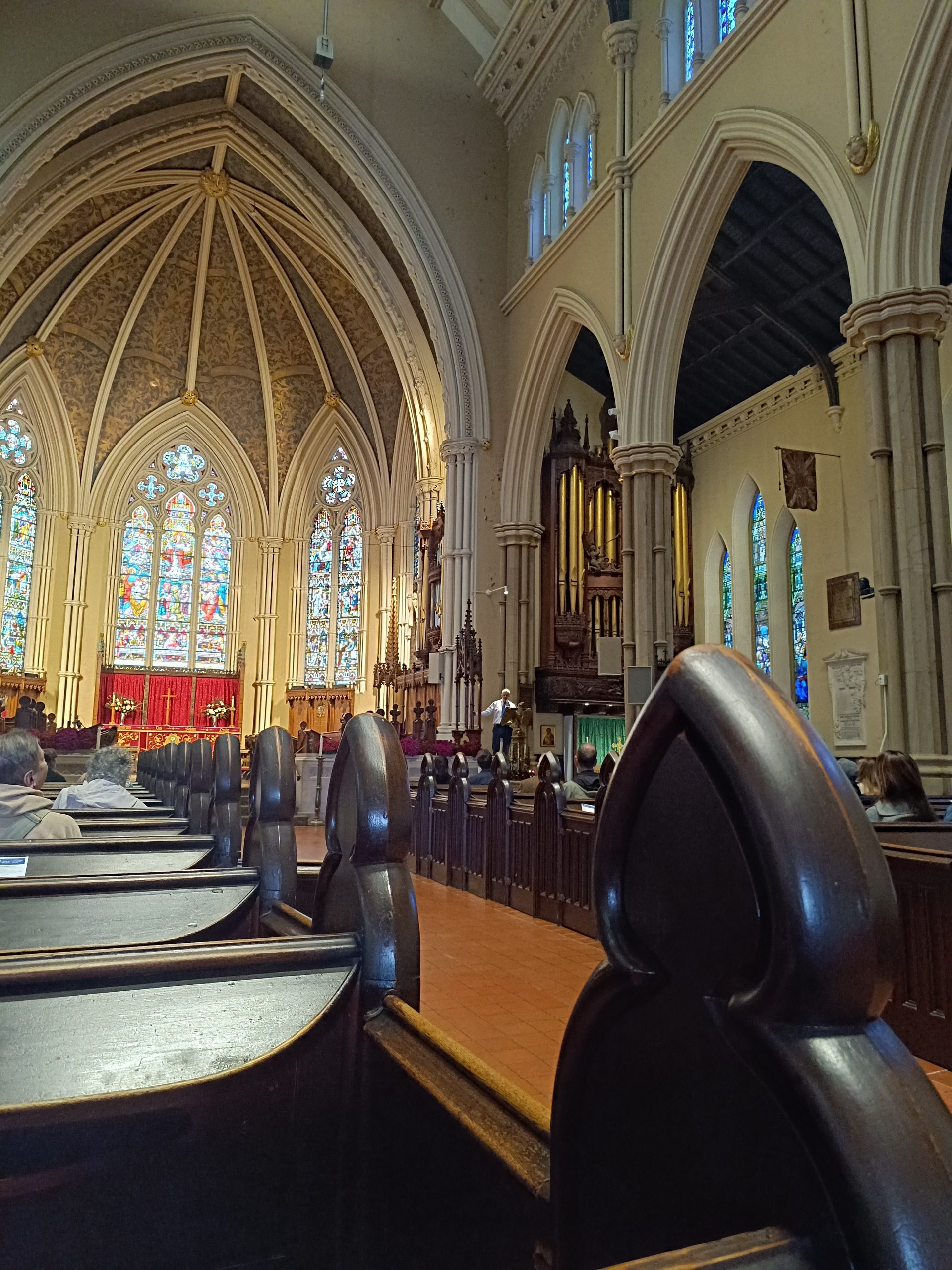
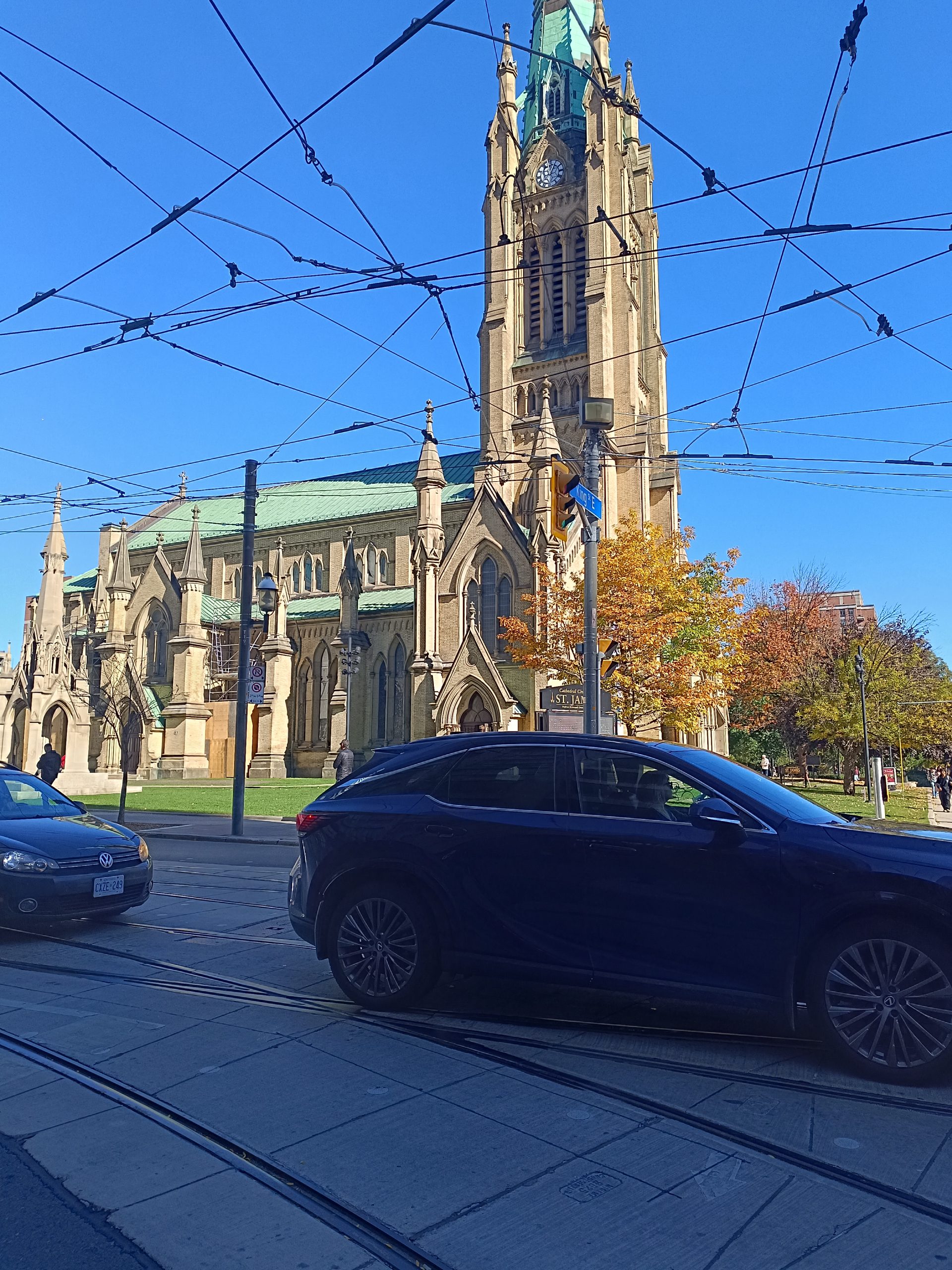
The Cathedral Church of the St.James

It is difficult to describe my impressions of visiting the church itself, but I will collect my thoughts and share with you a few minutes of a wonderful story about this relic.

This Anglican church was built in the mid-19th century. It is a true cultural hub in Toronto.

The church is unique because it is the tallest Anglican cathedral in Toronto and the second-largest in the Americas. As you can hear in the video, it features a distinctive set of 12 bells—themselves unique, as they were crafted for traditional English-style bell ringing. (change ringing).

If you are familiar with the design of Anglican churches, you will notice—in this cathedral, as in other similar churches—beautiful stained-glass windows; the entire history and all significant dates are reflected in the imagery of these windows. Many of the windows in this church were created by the renowned Canadian artist Stuart Reid.

A beautiful park with fountains surrounds the church—this is also a classic example of English church design, as the park was where the people and parishioners spent their daily lives. And today, the park, near the fountain, is filled with children with their parents, lovers, and ordinary citizens. It’s a place for relax.

The park also takes its name from the church- St.James Park.

St. James Cathedral serves as the mother church and principal cathedral of the Anglican Diocese of Toronto; it houses the synod of the Anglican Diocese and the synod’s administrative offices.

The history of this church is closely linked to the founding of Toronto and the arrival of migrants from Britain. When Toronto was first established, it was a settlement known as York. It was on this very site that the first parishioners held Anglican services as early as 1793—out in the open, on the land itself. Later, in 1807, a wooden church was built there. During the War of 1812, American forces looted the building and used the church itself as a hospital.

In 1833, a stone structure in the neoclassical style was built to replace the original wooden one. However, fires—which ruthlessly destroyed everything in their path—consumed it. The year 1839 brought two significant events that shaped the history and development of the church: it burned down completely, yet it was also granted the official status of a cathedral. After being restored and rebuilt, the church was destroyed once again in 1849 by a massive fire that swept through all of Toronto. Miraculously, a marble baptismal font survived; it can still be seen in the church today, located on the right-hand side as you enter through the main entrance.

In 1853, the church was restored and opened in the form in which it exists today. It was designed by the architect Frederick William Cumberland—a renowned and highly influential figure of the Victorian era. He was responsible for creating many of Toronto’s unique structures, including—in collaboration with Thomas Ridout and William George Storm—University College (1856–1859), Osgoode Hall, the Old Toronto Post Office, the York County Courthouse, Cumberland’s own residence, the Magnetic Observatory, and this magnificent cathedral.

The church took several decades to build, and in 1875, the construction of its spire was completed. At that time, the cathedral was the tallest building in all of Canada.
I can imagine how the townspeople must have rejoiced and taken pride in this structure. It is truly impressive, and you can really sense that spirit the moment you step inside the cathedral itself.

Today, the sound of an organ constantly resonates beneath the vaults of this magnificent Cathedral—a sign that the sanctuary is alive. In celebration of music’s triumph over darkness, the beautiful compositions of Bach, John ireland,Thomas Tomkins,George Thalben-Ball,Herbert Murrill,Orlando Gibbson and Charles Villiers Stanford ring out within these walls.

Music transcends time. Both it and this cathedral are remarkably contemporary. In November, the cathedral will host a multisensory light show ,,Celestia”; beginning at sunset, it will combine organ music with light projections—depicting the history of the cathedral and life in Toronto—cast upon the cathedral’s arches. This spectacular event will conclude on January 31, 2027.
Currently, the Cathedral is open to visitors free of charge: Monday through Saturday from 10:00 a.m. to 3:00 p.m., and on Sunday from 8:00 a.m. to 6:00 p.m.

Matisse or Picasso

Today’s post is exactly packed only with information. Why? Well, I’ve started planning out my days and hours because my various responsibilities simply don’t leave me any time to relax. I’m learning—learning how to manage myself, my instincts, and my moods. So, according to my schedule, it’s time for a walk with my dog. But before that—and since the weather outside is absolutely wonderful—I’m going to write a short story about love to submit to a contest. I’ll also put together this post to share some very interesting information with you, keeping you close to what’s going on in my life.
Let’s get started!

The title of my post is “Matisse or Picasso”—and for good reason.
Both were artists. What brought them together, and what set them apart? They lived during the same era, both hailed from Spain, and both were associated with movements like Impressionism, Cubism, and abstract art. As for what separated them—they had different approaches, which resulted in entirely different bodies of work. Picasso leaned more toward Cubism, while Matisse focused on decorative elements and an exploration of color.


But that’s not all.


People who study their work have concluded that, throughout their careers, they frequently “borrowed” ideas from one another—or, to use modern terminology, they infringed upon each other’s copyright. Some readers might argue that copyright grants an author exclusive rights to their ideas, imagery, and work—and I agree.


Yet, in the world of art, it is nearly impossible to find someone who hasn’t been inspired by the ideas of a competitor, a rival, or even a friend—and subsequently incorporated those ideas into their own work.
One could point to instances where artists have spent decades in court, alleging that someone stole or pilfered their ideas.


But in this case, we have an inimitable example of creative rivalry between two of the greatest artists of the last century—a rivalry that ultimately proved just how beautiful art can be. Consider the moment someone asked Picasso, “Don’t you think your work bears a striking resemblance to this painting by Matisse?”
With a smile, he replied, “If that’s what you think, that’s wonderful. But that is a work by Matisse—and this is mine. Picasso.”

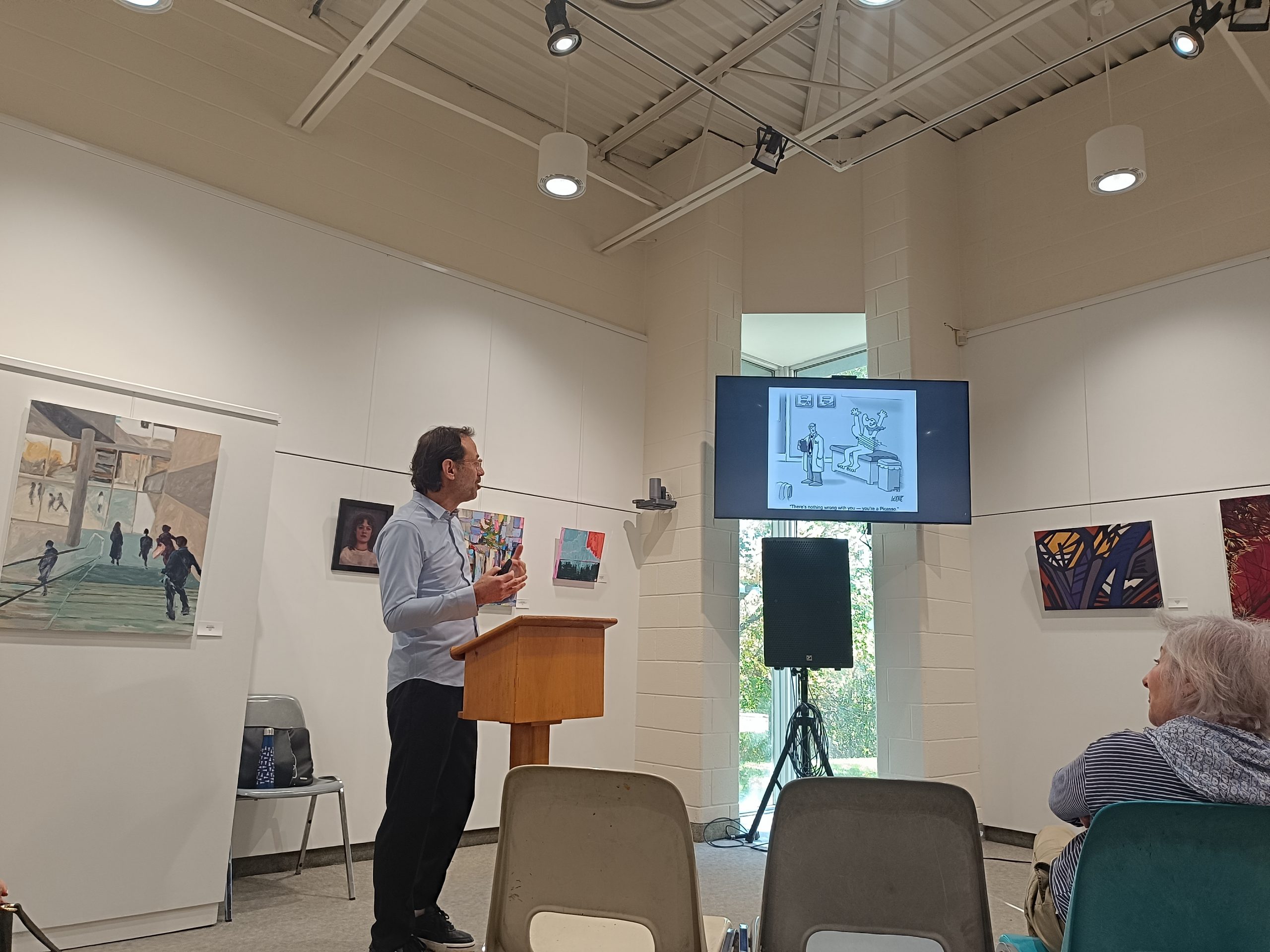
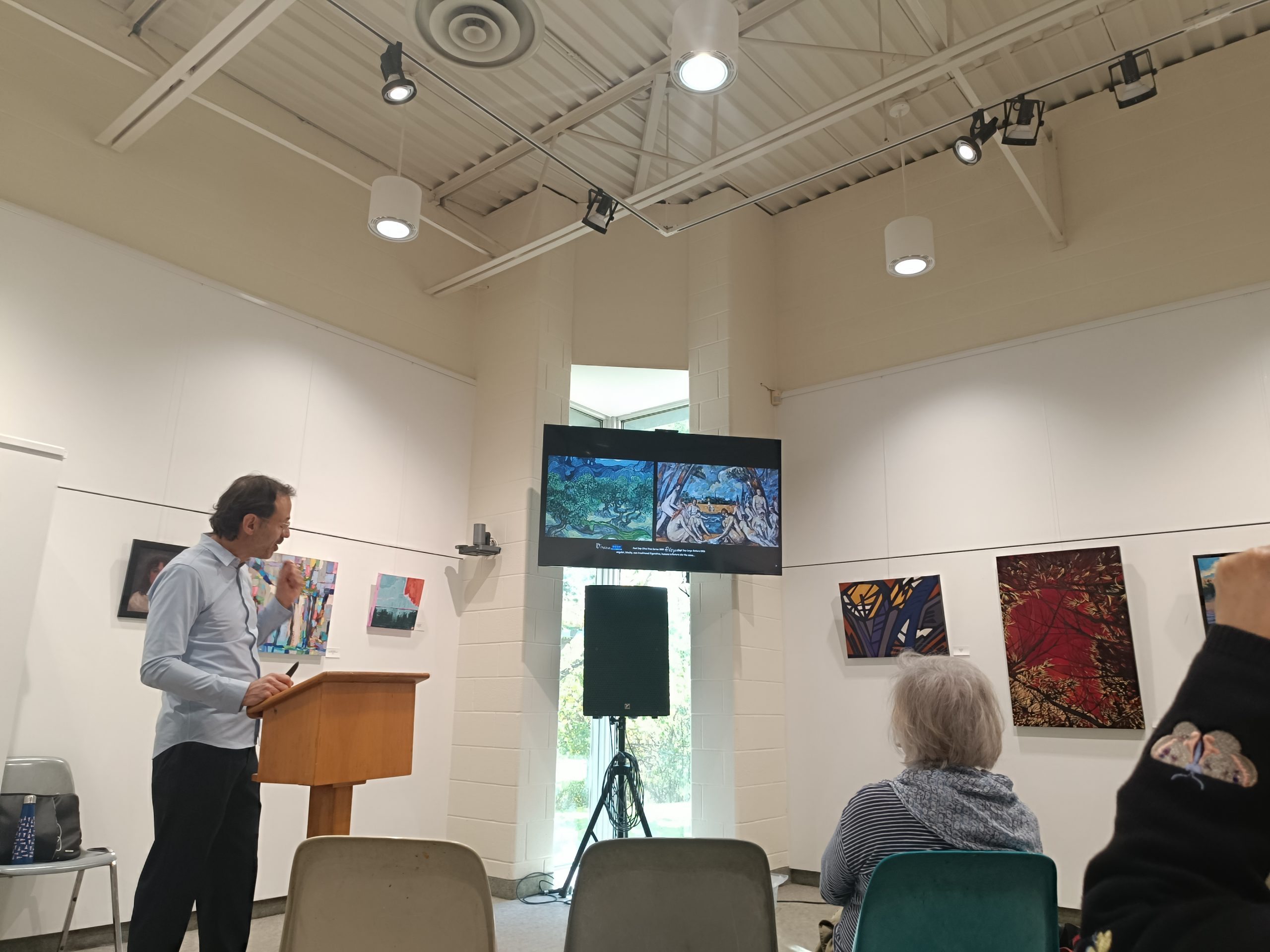
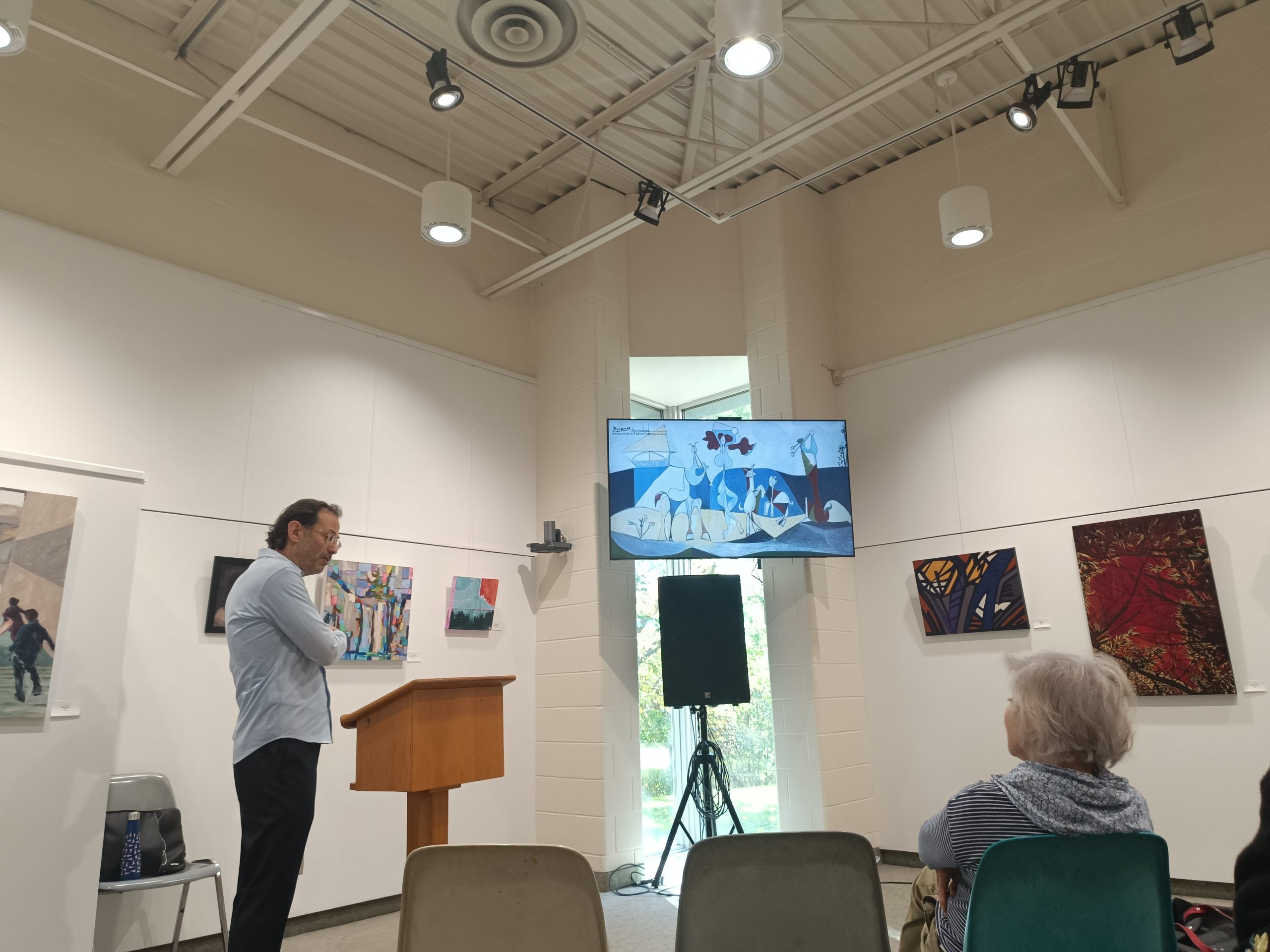
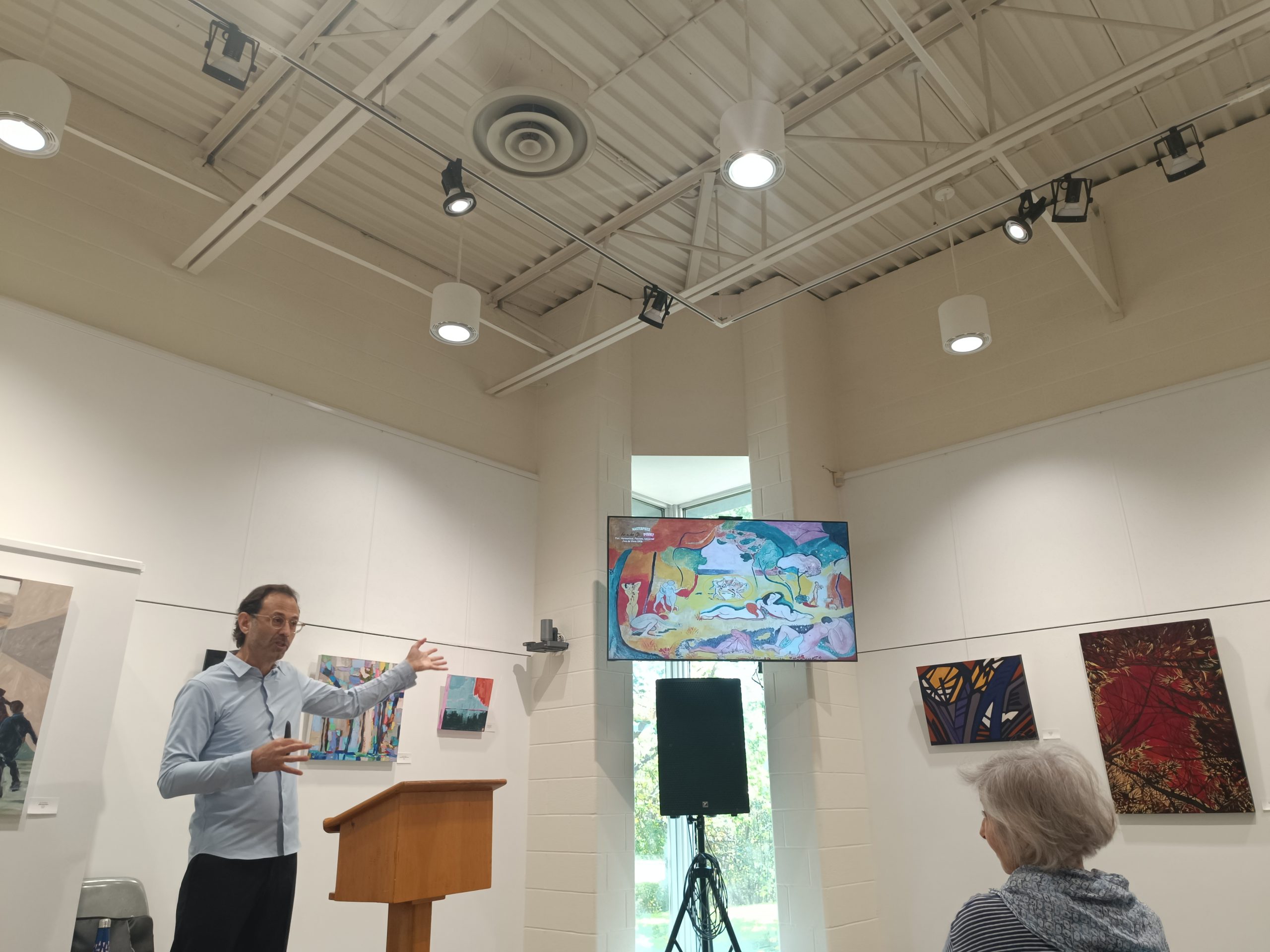
And this is what conveyed to us in excellent form this past Sunday, during his magnificent lecture Jeff Fortinsky in Nelson Park Centre.

A unique study has demonstrated that, over the course of many years—beginning during the height of their creative careers—Matisse and Picasso both produced works centered on the same themes: portraits of women, scenes of dance, gatherings in a garden, and self-portraits. Furthermore, each artist created his respective pieces in close temporal proximity to the other.

And as Picasso used to say, their unique personal style was always evident.
After all, remember—in those days, there were no mobile phones. The only way they could see another artist’s work was by gathering with friends in a café to look through a newspaper or magazine. Later, photographs became available, and they would sometimes create works based on similar themes, inspired by those images.


When Matisse passed away in the 1950s, Picasso could no longer continue this wonderful creative relay.
Their relationship was defined by a warm, friendly rivalry—never hostile. Each created in his own distinct style and manner: Matisse with a greater emphasis on the decorative, and Picasso with a sharper, more angular approach—through Cubism.
In this way, the creative journeys of these remarkable artists became a lasting part of the history of the last century.

Interesting, isn’t it?

Reflections

Could it be the weather? It’s damp and rainy, and I’m longing for warmth… No. Could it be the news? The increasingly alarming reports pouring in from defenseless Ukraine, where people live under constant bombardment every day?..
Could it be a sudden wave of memories?.. Yes. I had a dream—let me tell you about it. I hadn’t had a dream like this in over twenty years. How time flies. I don’t know why, but I found myself in a setting I hadn’t experienced in a long time.
In the dream, I was somewhere in the Middle East; my large family and I had moved to a different city and into a spacious apartment with many rooms, yet my own home felt empty. As always—that’s just my nature—I didn’t give in to despair. I got to know some wonderful neighbors—a large Arab family with plenty of children, daughters-in-law, and grandchildren. I would visit them every day to lend a hand, cook a meal, or share a cup of coffee.

One day, the landlord—an elderly Arab man, about our age—called me over. He was a man who had seen it all and lived a full life; he was content and at peace with everything. He was sitting on his large sofa, drinking coffee, and asked if there was anything he could do to help me. Naturally, I declined—it’s in my nature to refuse; I’d say everything was fine and I didn’t need anything. We had just moved in, and his wife had mentioned that our rooms were empty—no furniture, nothing.
He smiled, called up his friends, relatives, and acquaintances, and started asking what furniture they had available—prices, condition—explaining that there were people here who needed help. We found a beautiful living room set and some rugs—all affordable and practical. He was pleased, and so was I. I woke up today in that same mood and rushed to tell my husband about the dream. I hadn’t had a dream like that in over twenty years. Yet, that is how I lived in Jordan; that is the kind of people who surrounded me—people thanks to whom I raised my three children. I have been grateful to them my whole life for teaching me generosity, humanity, and the value of simple, genuine relationships.
Twenty years…
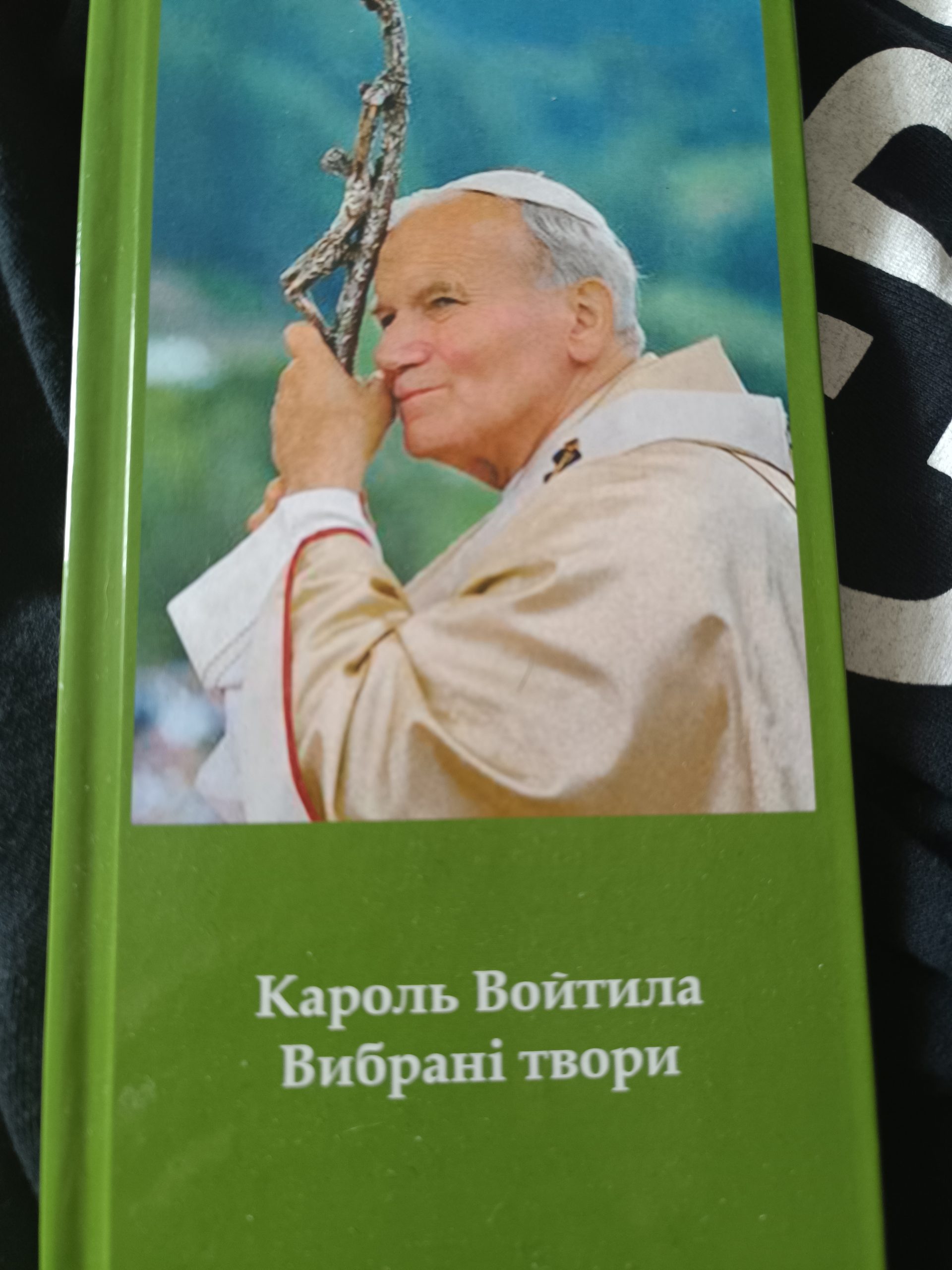
This summer, I attended a presentation for a book by John Paul II.

It was a wonderful presentation at Lviv’s oldest church, and an opportunity to meet the book’s author, Yulia Kurtash-Karp.

The book signed by him holds a place of honor in my home. Do you know what name John Paul II used when writing poetry?
Did you even know that our beloved Pope wrote poetry? He used the name Karol Wojtyła.
I am holding a volume of his selected works in my hands right now—reading it thanks to the translation by Ms. Yulia.

I open his book, and the first page reads: “Be the first to love.”


That is all.
It is what fills my very being. Is it hard to live this way? I do not know—but be the first to reach out, to help, to listen, to share your wisdom. Listen, then offer counsel. Life is made up of tiny droplets of wisdom; we must find them, see them, and help others see them too.
Perhaps then there will be less evil, less misery, and less death.

Fall

Ha-ha, we’ve finally put on our warm autumn jackets.

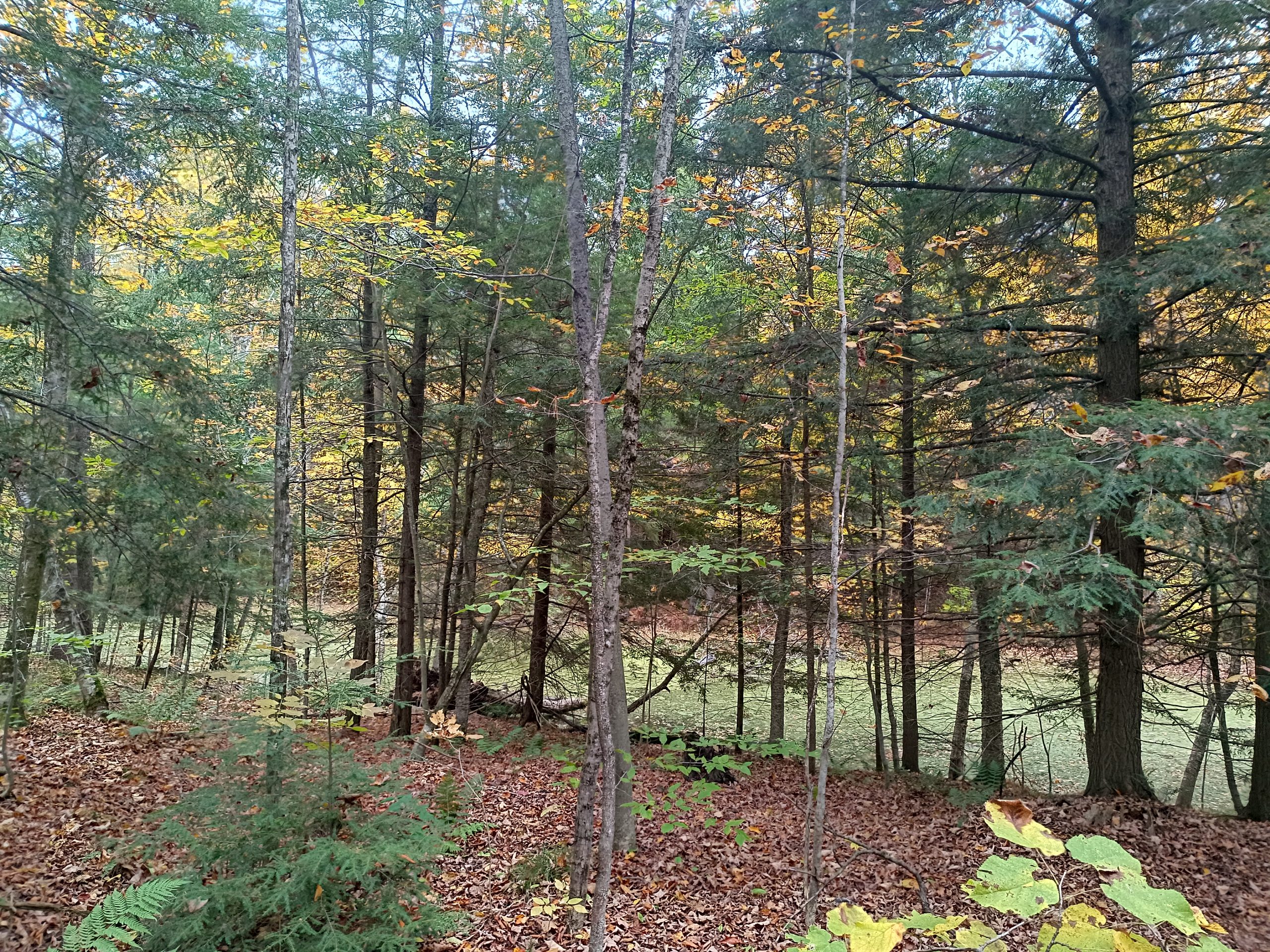
The leaves have finally turned yellow, and the season of beautiful Ontario scenery has begun.

We’ve finally fully embraced autumn.

It spoiled us with warmth for a long time this year, but its arrival was inevitable.

And here we are again in that wonderful season of nature’s red, yellow, and brown palette.


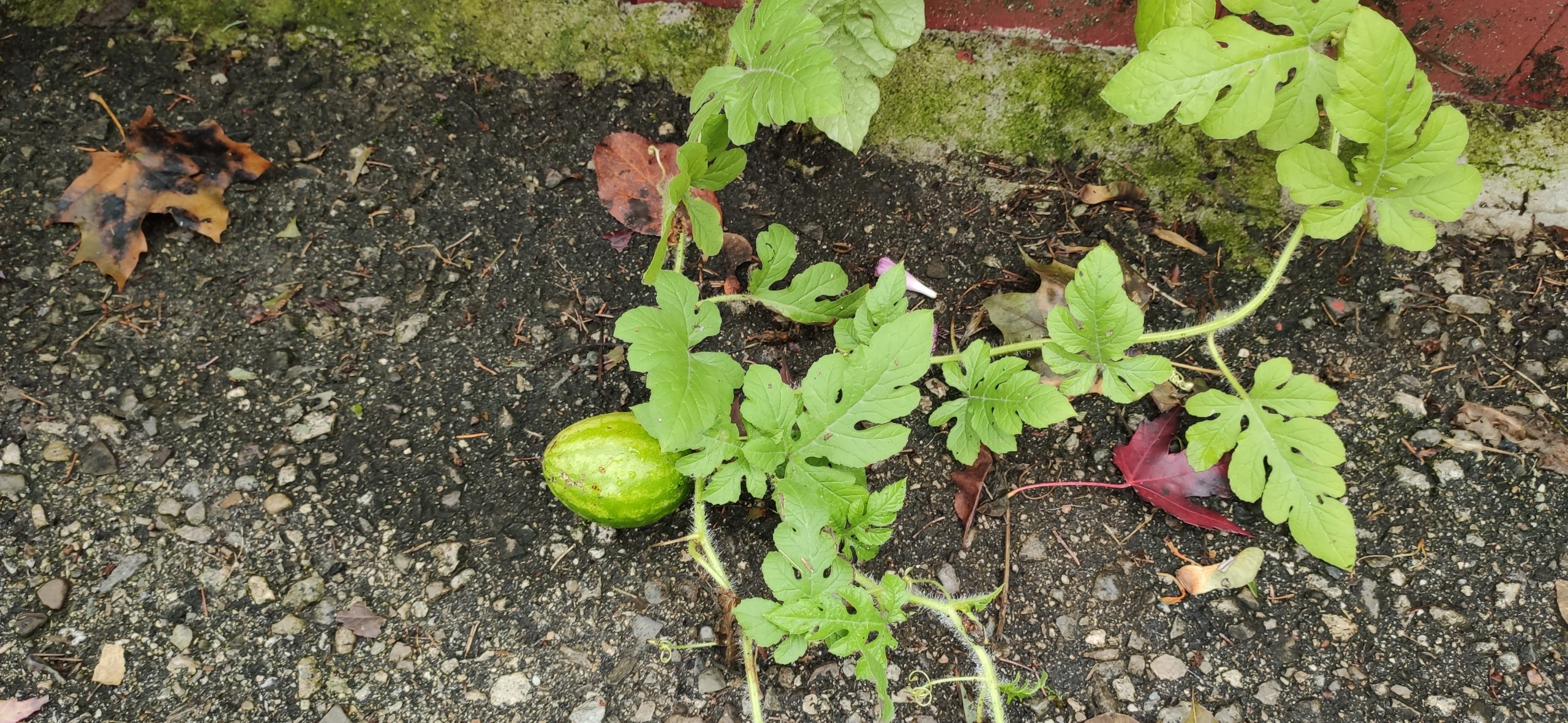
I have a watermelon harvest! Don’t laugh—it’s still ripening; it’s 10 cm in diameter, and I’m keeping a close eye on it. It started growing in mid-August. I mean, really? According to the Canadian calendar, September brings night frosts that simply kill off everything sunny and summery. Yet, it just kept growing. The birds, the rabbit, and the mice scurrying through the garden didn’t touch it. And look, it made it. For me, this is a record—both in terms of timing (thanks to the weather) and the plant itself (watermelons don’t usually grow in Ontario). Although, as you can see, there are exceptions. The Mexicans—they set the standard here.
In Ontario, watermelons are usually imported from Mexico and the southern US.


I also have amazing tomatoes this year. They put out their blossoms in late July, and they are still blooming vigorously on strong stalks right now. They’re growing straight out of the ground. The spot where they grow is sheltered from the wind and direct sunlight. There are two bushes of them, growing right out of the earth. And they are blooming. Well then. It’s getting colder, and I’m preparing for winter; the last mushrooms of the season—honey fungi—have appeared in the woods, a sure sign that late autumn is here. For now, though, I’m still being treated to these flowers in my garden. Tomato blossoms.
Some might find that funny—especially those who bask in the warm, sultry summer sun all year round.
It was warm here this past year, but sunshine was a rarity—it was just… sunless. That happens sometimes.

And it was extremely humid—something that sets our climate apart from previous years. I don’t recall a summer like this during my entire time in Canada.
One also has to appreciate the wonders of our natural world.

Marigolds bring a special vibrancy and beauty to this season.

Mine have been blooming for two years now. I’ve seen so many varieties in the city—small ones, bushy ones, and huge, multicolored ones. Mine are the traditional Ukrainian kind. Of course, they aren’t quite like the ones in Chicago—I saw a photo from friends showing a bush as tall as a person. Mine are more modest. But they are bright. And I share this beauty with you, my readers.
As the season of falling leaves approaches…
I want to give thanks for all the gifts this year has brought me. Thank you for the changes in my life; I am a student again, pursuing my beloved profession of psychology.
Thank you for the knowledge I’ve gathered into a small book for children. I wrote several new stories and submitted them to contests just yesterday. Thank you for the knowledge of Petrykivka painting; I am preparing for the winter season and painting on wood once more. Thank you for everything around me, for those who live nearby and help me, and for the moments of joy I experience every day.
Thank you.

New children book

Anyone reading this page of my blog likely knows that I am an artist and skilled illustrator whose collections can be found in Europe, the Middle East, and the Americas, and who actively exhibits her work across Canada.
However, few are aware that since 2020, in addition to producing short films, I has published several children’s books and actively participates in competitions.

Olena Polishchuk participates in competitions and has her work published in Ukrainian magazines and anthologies.
A new series of her stories for children was released quite recently.
The author has developed a unique way of connecting with her readers: she records her stories and posts them on social media as short films.
This appeals to young children, as well as to adults who want their little ones to drift off to a lovely children’s story in Ukrainian or watch a film that helps them fall asleep peacefully.

What are her stories about?
Today, I will talk about her latest work: The Foundling.
It is a touching sketch about a grandfather and his granddaughter sharing a cozy evening as winter approaches. An exhausted kitten, discovered in a corner of the yard, melts the old man’s gruff heart, transforming a cold, snowy evening into a celebration of kindness and love.

Below, I am providing a link where you can watch and listen to this wise, kind, and beautiful story.
Enjoy watching!

The Aga Khan Museum again

What do you do when it’s raining outside, when you want to take your mind off things, change your mood, and explore art?It is difficult for me to hear your answers. I am going to a museum. I am going to enjoy art, because it is within me—because I live it and create it.

And so, right around the turn of September and October, I visited this magnificent museum. I parked my car in the lot—there are plenty of spaces—and paid the $10 daily fee online. I bought a ticket, also for $10, and entered the largest hall, which houses the permanent exhibition.

There have been many changes. It seems to me that everything here has stood still since its founder passed away last year. At the entrance, there is a plaque bearing his portrait that recounts his life, his dates of birth and death, and his crowning achievement—the creation of this museum.

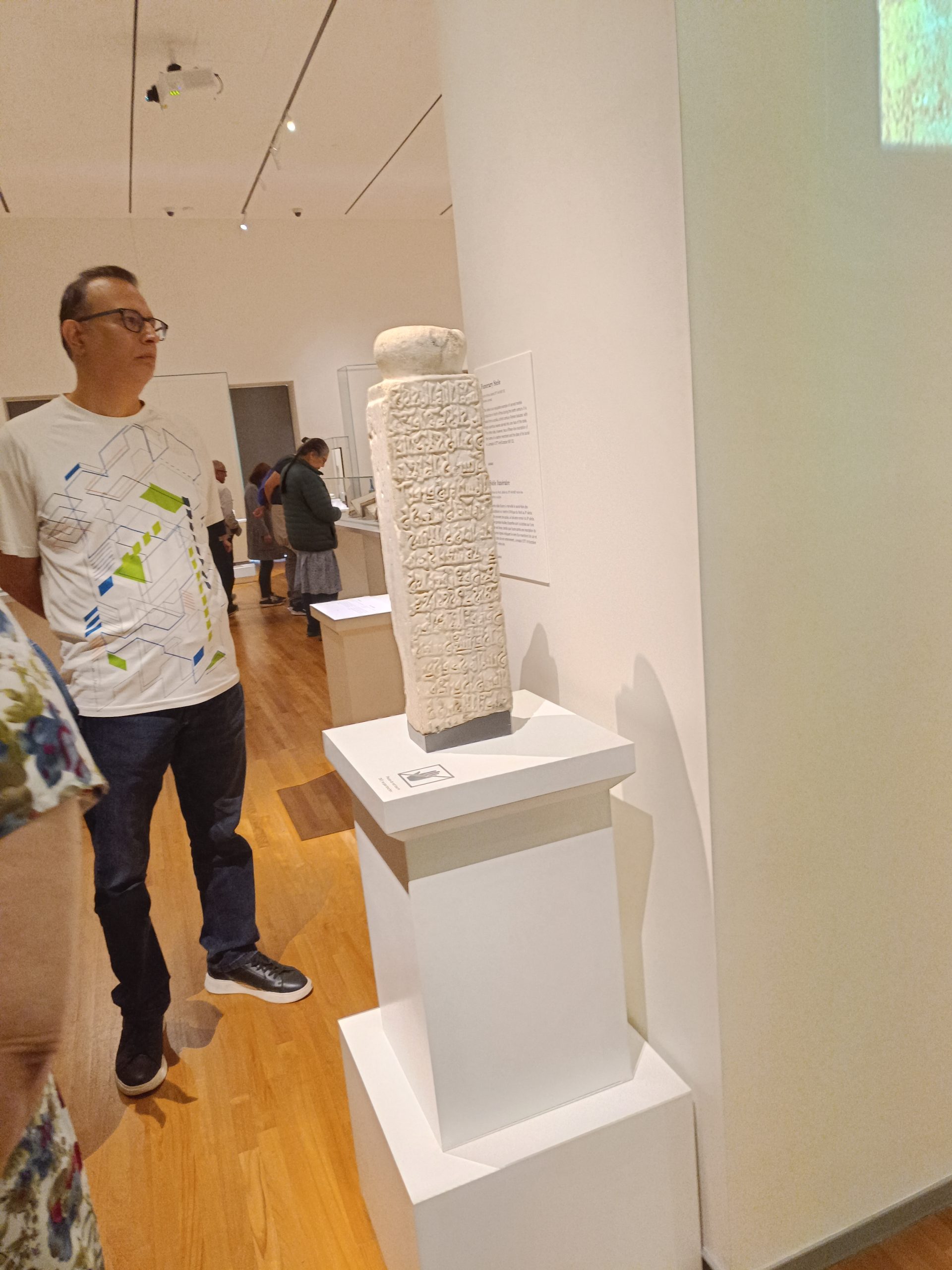
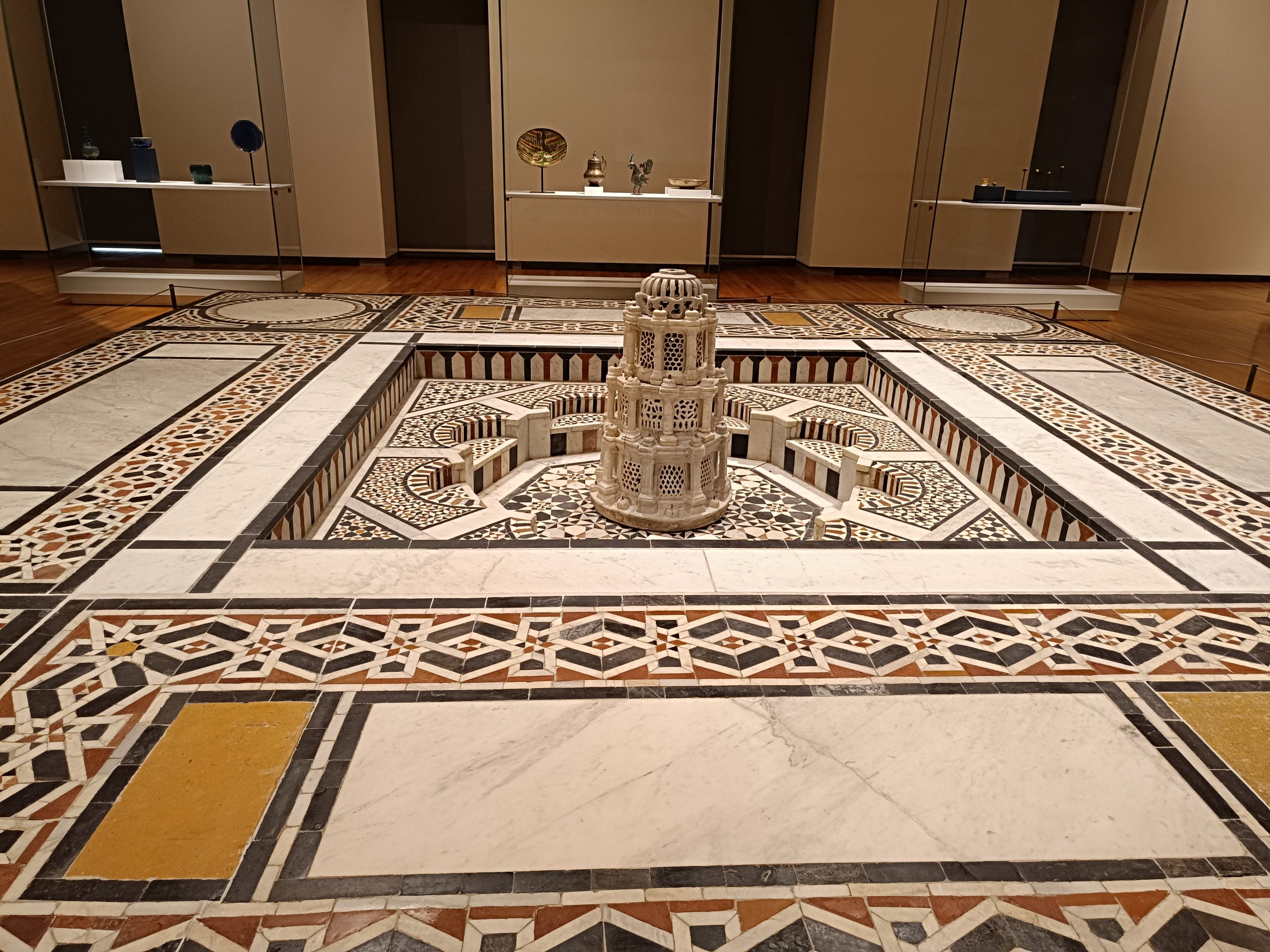
The museum houses more than 1,000 rare artifacts spanning thousands of years of history, from exquisite Andalusian pottery to opulent Mughal-era manuscripts.

A truly unique cultural center in Toronto (North York), it was the first museum in North America dedicated entirely to the art and civilizations of the Islamic world. The main building, designed by renowned architect Fumihiko Maki, is striking for its futuristic white architecture and abundance of natural light, while a picturesque park featuring reflecting pools spreads out around it. I missed the temporary exhibition, as they were just preparing to open the next one. I should mention right away that an immersive exhibition titled “SpaceMosque” is taking place this October: a visionary exhibition by artist Saks Afridi opens on October 24, 2026.

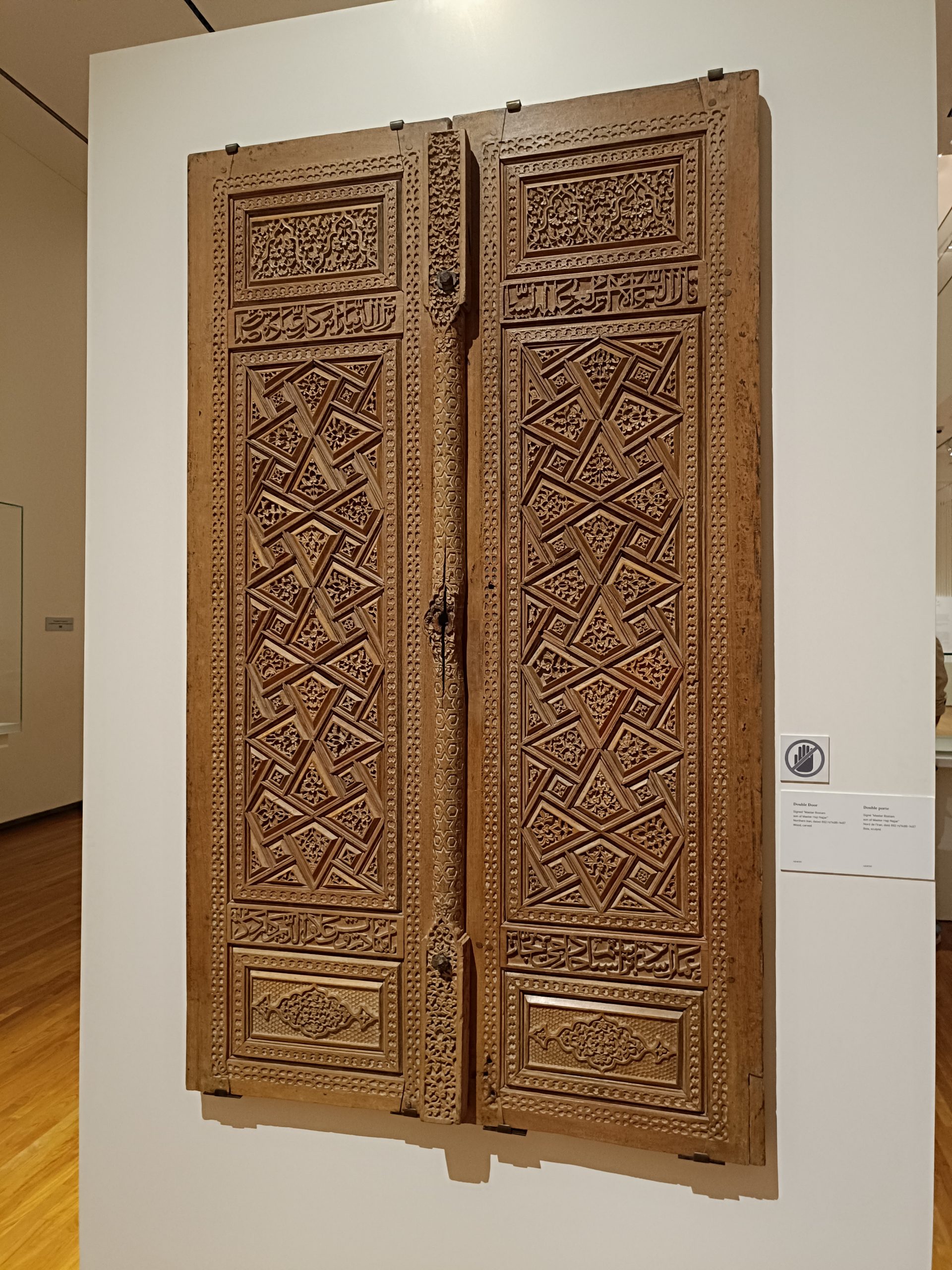
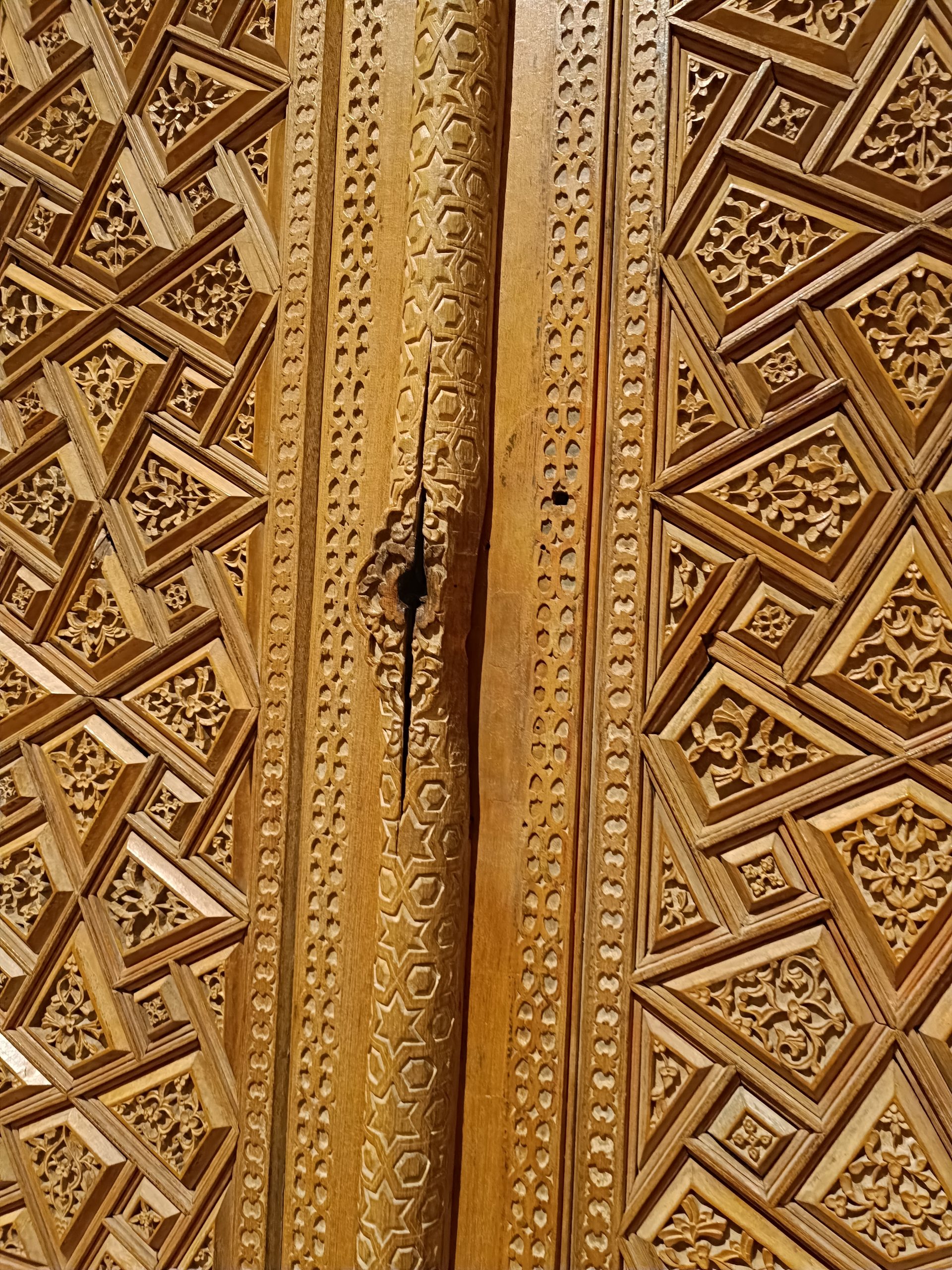
As I walked through the exhibition, I was once again struck by the exquisite, intricate craftsmanship of the woodcarvers who created this door—which is over 200 years old.

Simply magnificent.

In the hall near the entrance, opposite the café, music was playing, and a woman was singing a song by Fairuz. It all reminded me of the years long ago when I lived in the Middle East and that kind of atmosphere surrounded me. Today, I visit the museum to recapture that feeling and to enjoy that world.

The museum is located at 77 Wynford Dr. ,Toronto.

Tuesday to Sunday – from 10:00 to 17:30.

Monday – closed.

Omemee

Autumn brings more than just a change in the colors of the trees and grass; it also brings changes within a person—especially when you are over sixty. A few years ago, I fell in love with traveling around Ontario. While I do travel beyond our province, driving across several provinces remains a dream of mine. I want to point out that traveling within Ontario is just as interesting as traveling elsewhere. For instance, this autumn began with me discovering the beauty and richness of our region, known as Kawartha Lakes.

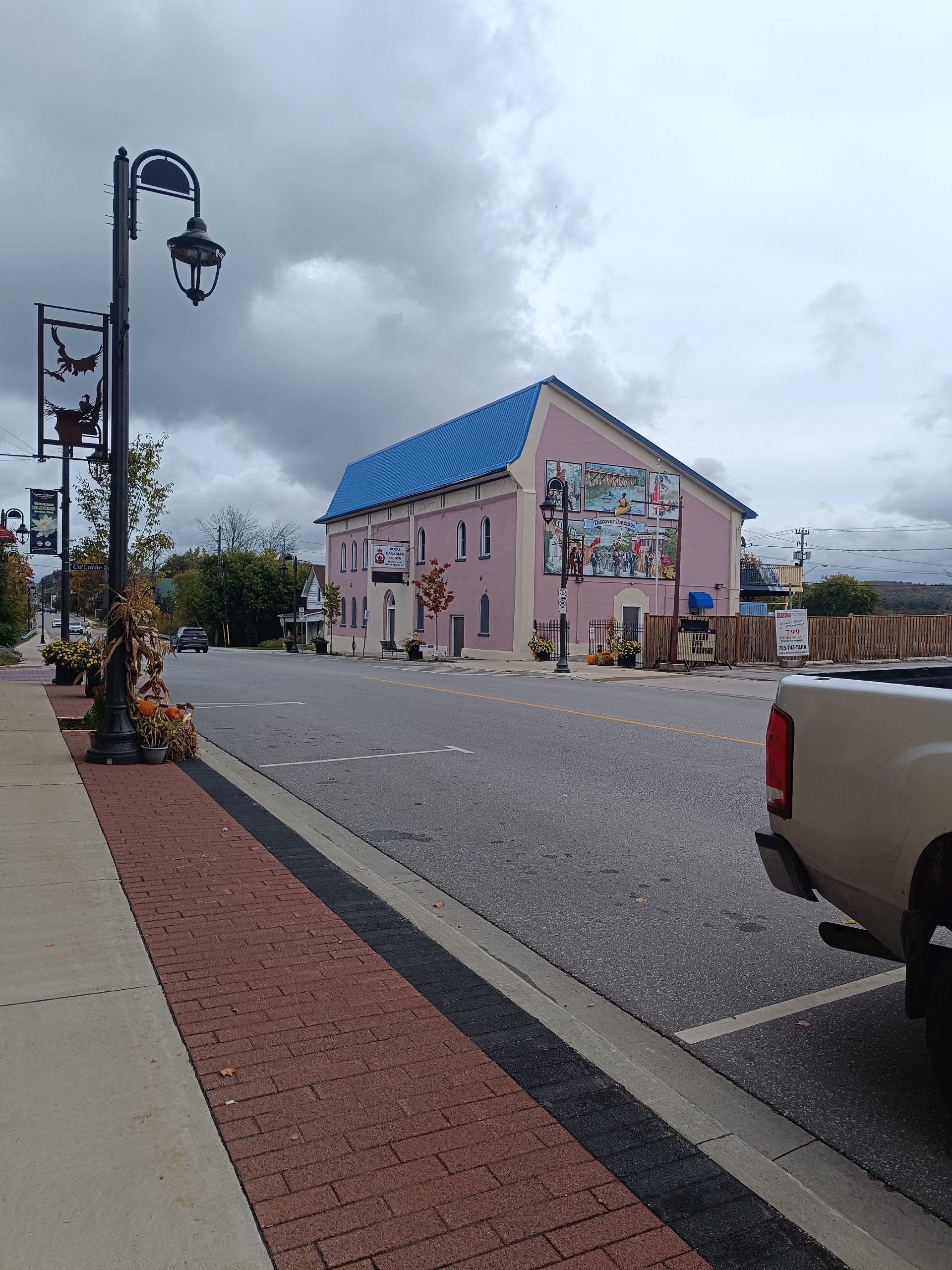
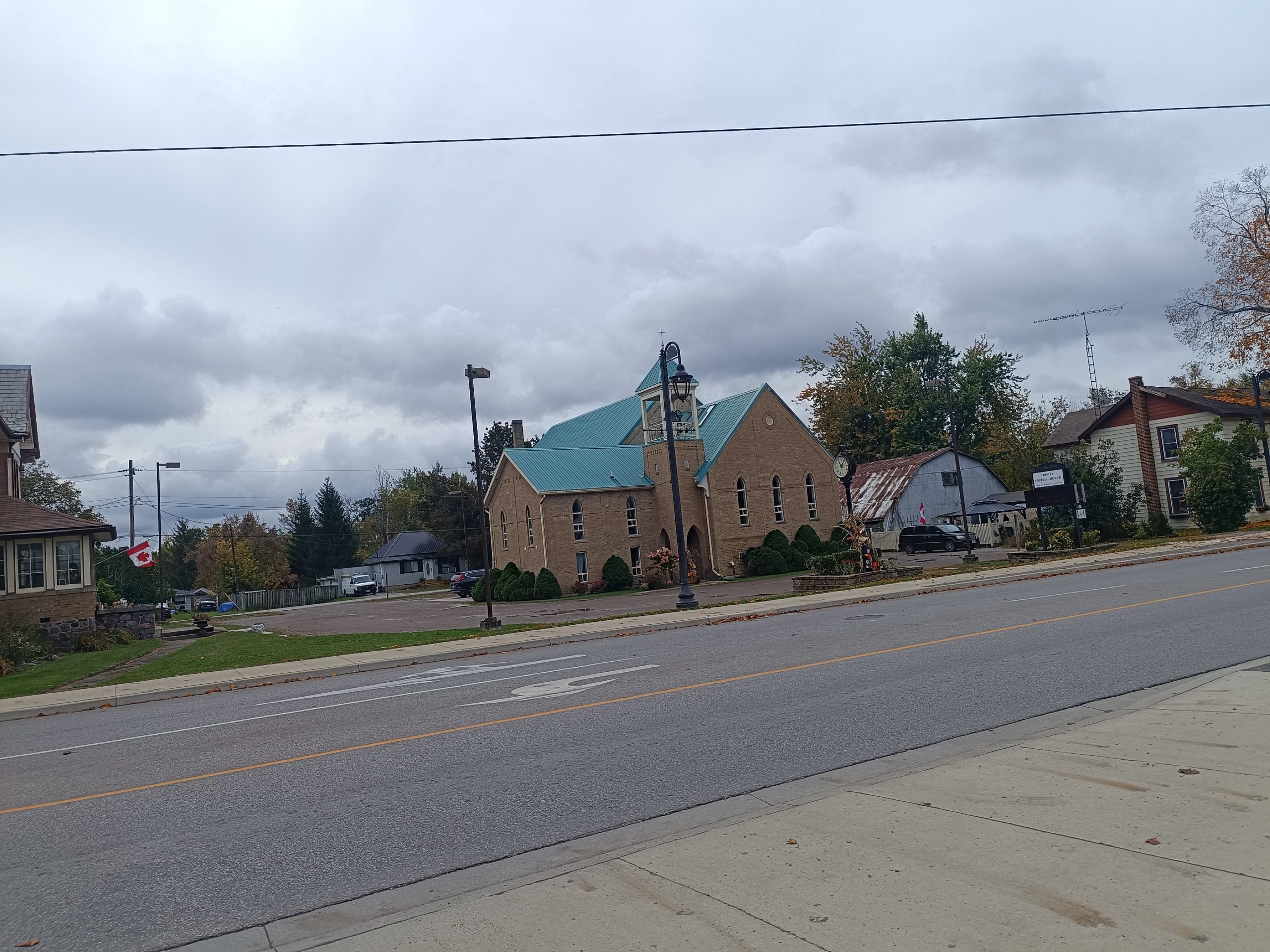
I visited Peterborough—a hub of industry, culture, and agriculture, the center of life in the Kawartha Lakes region, and the gateway to the hill country with its charming parks and forests. Peterborough is delightful in any weather, but it is especially beautiful in the autumn. Not far away lies the small town of Omemee, where we stopped on our way back from Peterborough.Omemee is a community within the city of Kawartha Lakes, Ontario, Canada, formerly known as Victoria County. The community had a population of 1,247 in the Canada 2011 Census. It is located between the city of Peterborough and the community of Lindsay.The population there is probably even smaller now.
Situated along Highway 7 right on the Pigeon River, it is positioned about halfway between the community of Lindsay and the city of Peterborough. Derived from the Mississaugas Anishinaabemowin word o-mimi, which means “pigeon”, the town serves as a scenic gateway for travelers exploring the wider Kawartha Lakes region.”Pigeon”—it’s a beautiful name, isn’t it?
The river here is called Pigeon, and there’s a lake further up. A bridge separates the river from the lake. The scenery is truly picturesque.

This place has inspired—and continues to inspire—many who have visited it. A famous singer Neil Young was born and raised here.

If you enjoy hiking trails as much as I do, the longest trail runs nearby-The Kawartha Trans Canada Trail.

Emily Provincial Park-that’s a story in itself, and it’s so interesting that I highly recommend visiting it.

Located just outside the town center along the Pigeon River, this park is a popular hub for camping, canoeing, fishing, and fall-colour viewing.

Let’s return to this wonderful city—it truly makes you fall in love at first sight. I am actually very fond of the small towns in Ontario; they hold long, rich, and fascinating histories. It is because of stories and towns like these that you fall deeply in love with—and come to appreciate—this rugged and fascinating country, Canada.

A walk down Omemee’s main street highlights a beautiful 19th-century brick facade. You can check out the Omemee Cenotaph—which features a rare 1800s 9-pounder muzzle-loading gun—it is located at an intersection, right in the city center. And although it is small in size, the fact that it is authentic makes it valuable.

The history of Omemee, Ontario is a classic Canadian story of a 19th-century pioneer boomtown. It evolved from a vital riverside mill into a bustling railway hub, before transitioning into the quiet, heritage-focused community it is today.

It is wonderful to come and see historic buildings—over a century old—that have remained untouched by time.

Before European colonization, the area along the Pigeon River was a long-standing hunting and camping ground for a family of the Mississaugas Anishinaabeg.

In the 19th century, Irish immigrants built a mill and a sawmill here; the town stood at a crossroads. People hunted, trapped fur-bearing animals, and fished in the surrounding forests, while grain was grown on the nearby land—producing goods for trade and food for the growing population.

Interestingly, he had many names -Williamstown (1835),Metcalfe (1840s),Omemee (1857).Because “Williamstown” and “Metcalfe” were being used by other towns in Ontario, postal confusion arose. The town permanently adopted Omemee, derived from the Mississauga word for “pigeon”—a nod to the local indigenous camp and the vast flocks of passenger pigeons that used to migrate through the river valley.

The greatest flourishing of industry and economy, which influenced the development of this city, like many other cities that have now almost disappeared, occurred in 1850-1870.However, industrialization and the concentration of industry in major cities led to an exodus of the local population; many factories closed, and the town’s population dwindled to just 467 people by 1920.

Today, it is a quiet town where pensioners lead a calm, unhurried life; people come for the summer cottage season, and there are also those who live there permanently while commuting to work in nearby cities.

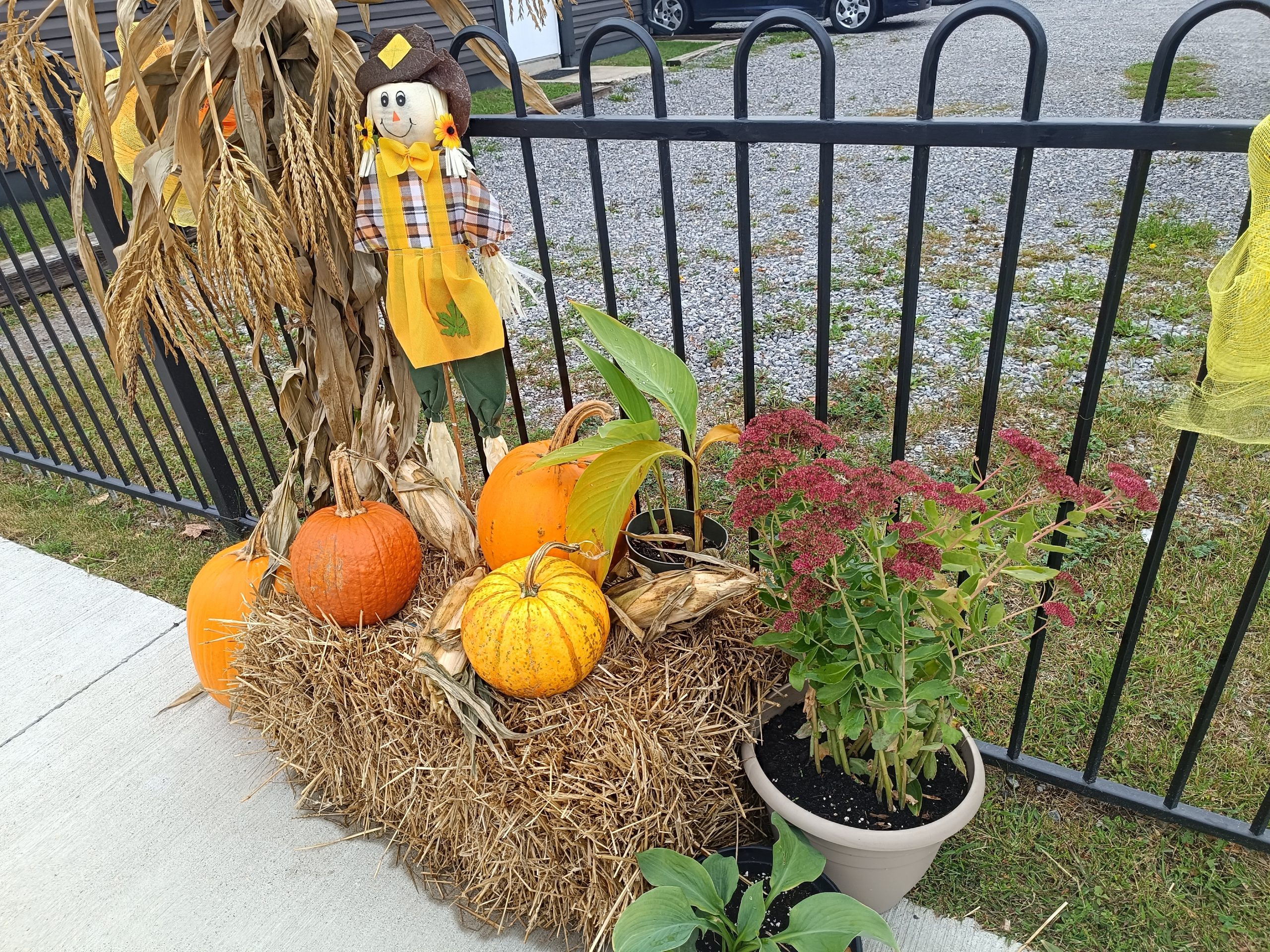
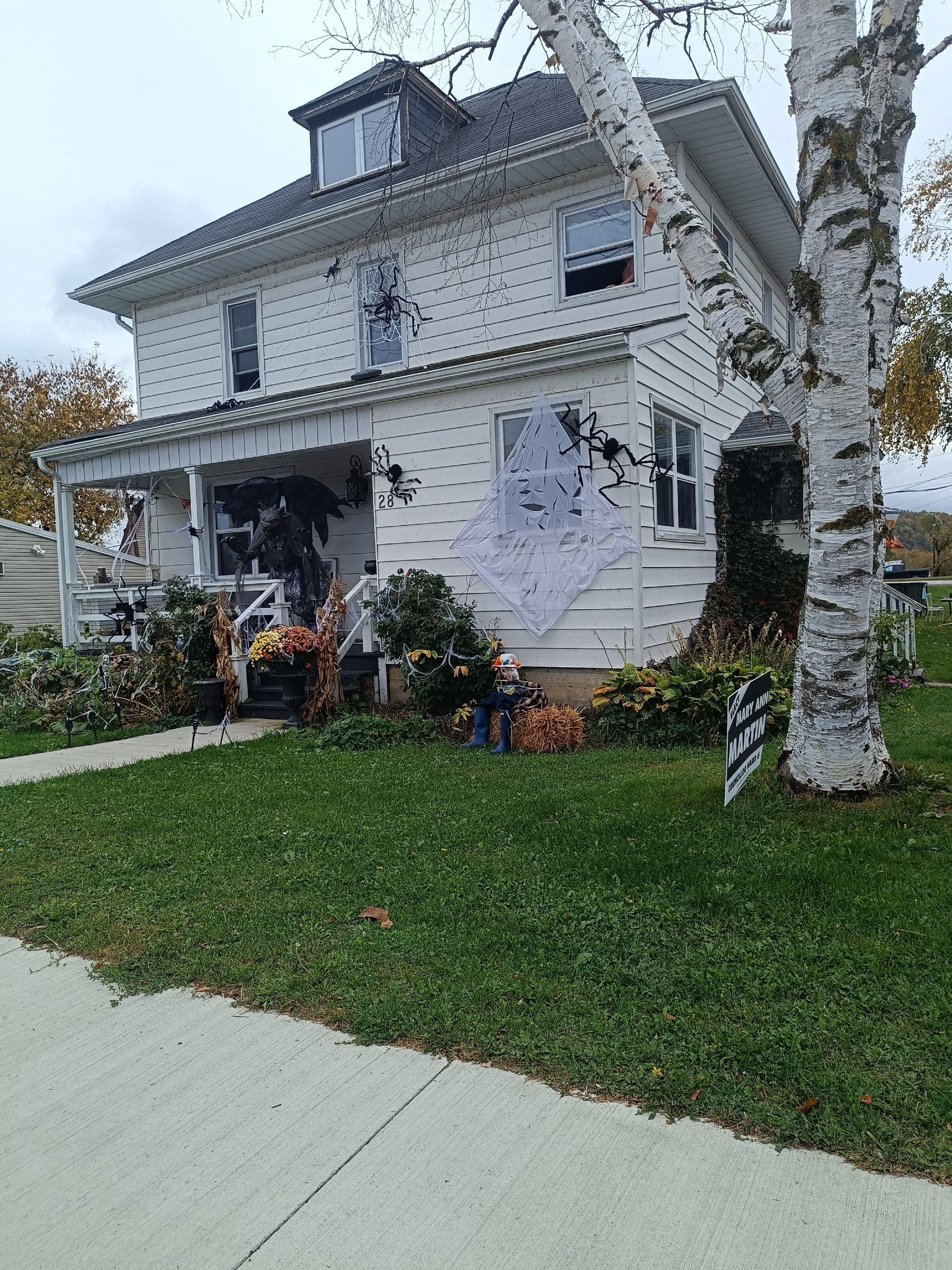
I liked this little town right away, and I noticed that—even though it was early October and the trees were still green, so it didn’t quite feel like autumn yet given the weather this year—the residents were already getting ready for both Thanksgiving and Halloween.

Something tells me that this is simply our spirit, our character. If you’re ever in Ontario, pay a visit here. Remember: Pigeon. It’s a beautiful little town Omemee with an interesting history, located right on Highway 7.