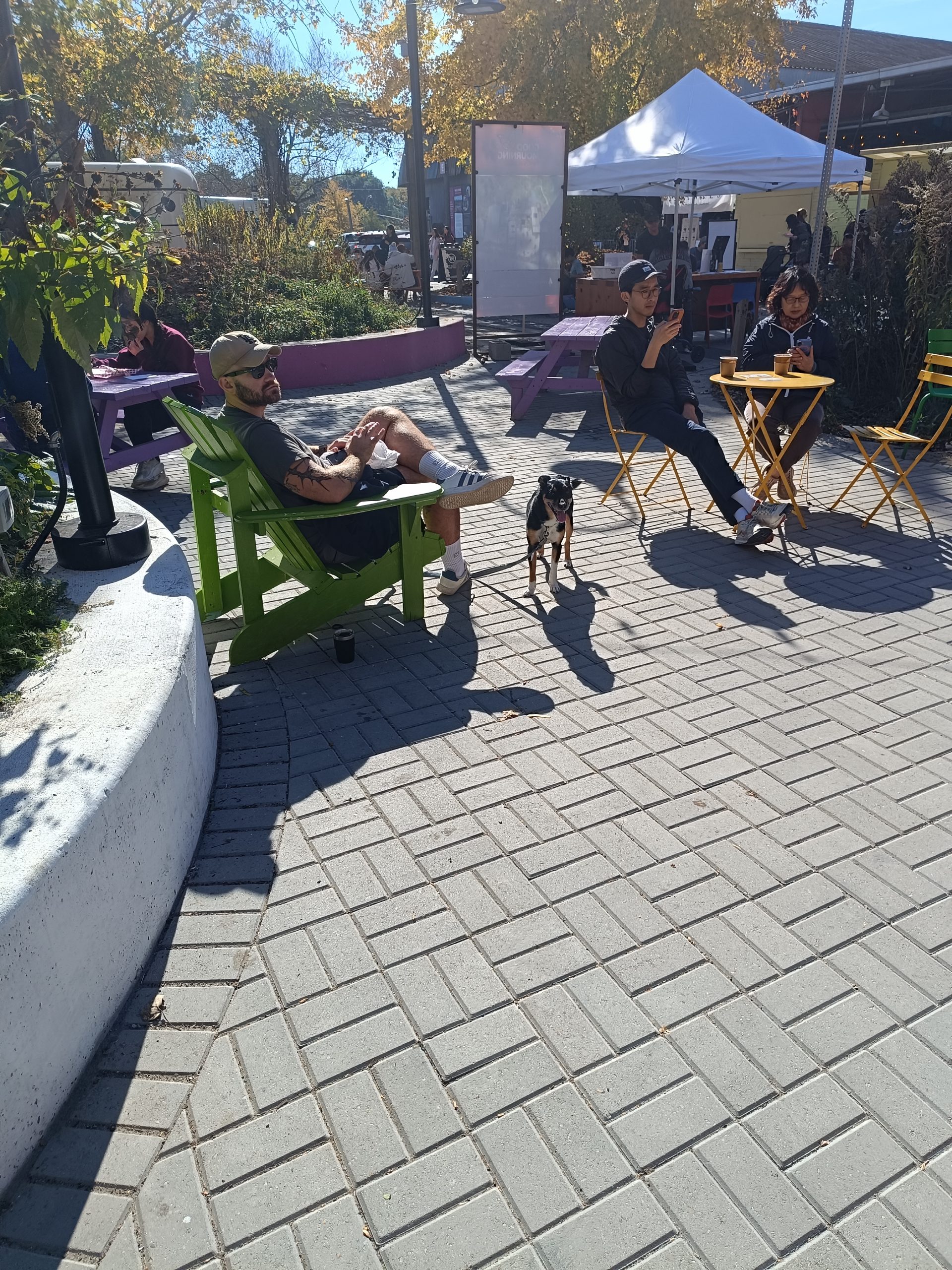
The last week of October is very busy. It begins with the weekend and brings a huge number of events to the city.Diwali take place at Nathan Phillips Square,Howloween The Bentway (dogs parage) and DIA DE LOS MUERTOS at Evergreen Brick Works.
And the culprit behind all this is the Moon—yes, the full moon. The unique nature of these events is linked precisely to the Moon. For those who might disagree: I am not a scientist or an expert. This is simply what I think and feel—it is my own perspective. It represents the transition from a flourishing life cycle toward a decline—an inevitable part of our existence. And rather than viewing this process with depression and retreating into solitude, this celebration emerged, filled with vibrant dances, parades, and songs.
The Day of the Dead is a Mexican holiday dedicated to the memory of deceased relatives and friends. It is observed annually on November 1st and 2nd (with preparations beginning on October 31st).
According to belief, during these days the souls of the departed return to earth to visit their families. It is not a day of mourning, but rather a vibrant and joyful celebration that honors life and the memory of one’s ancestors.
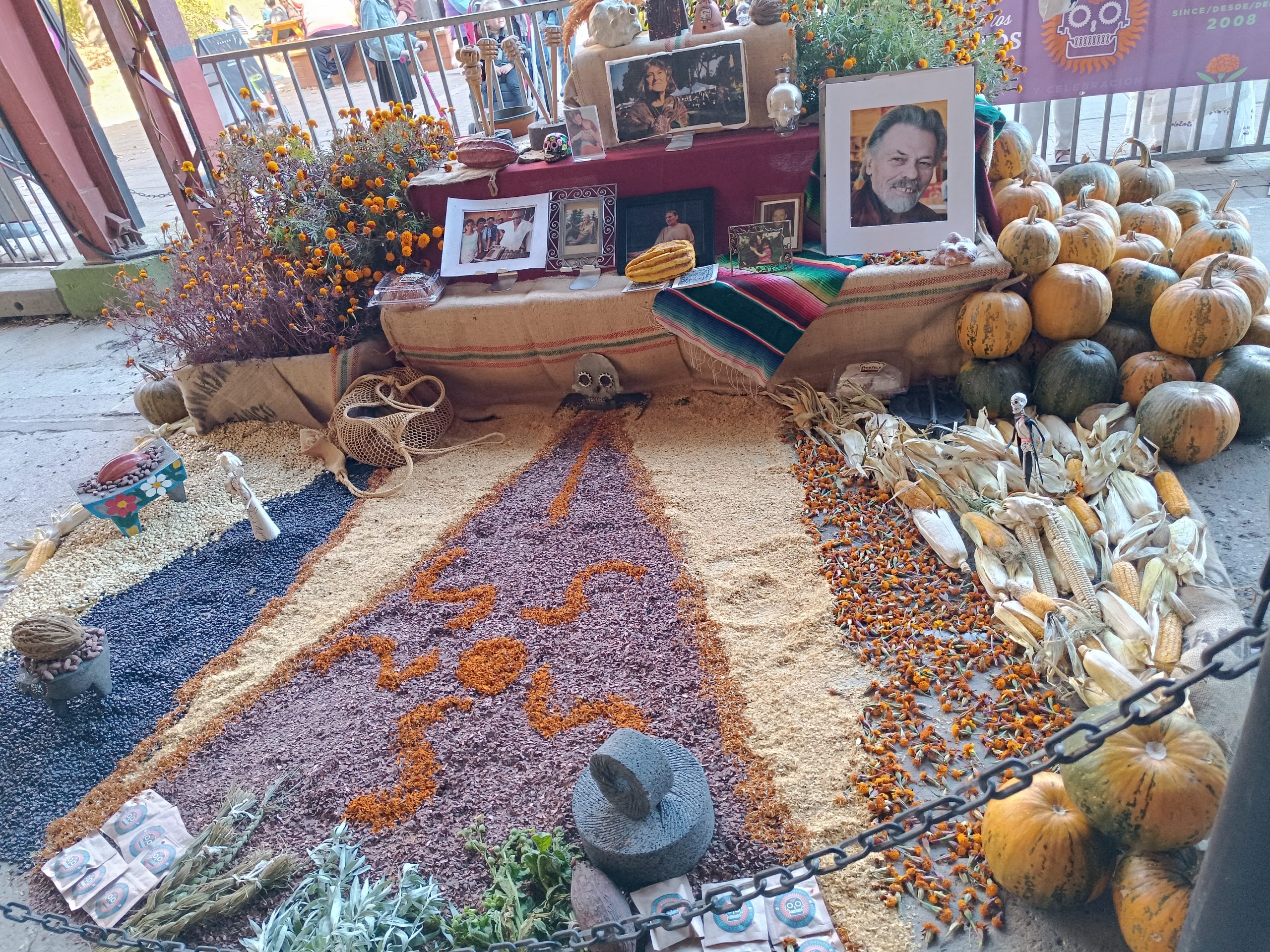
Indoor or outdoor altars that families decorate with photographs of the deceased, candles, and the deceased’s favorite foods.
I’m showing how a ceremonial altar—featuring photos of loved ones—was decorated for the celebration in Scarborough.
I was surprised to discover that my favorite marigolds (Cempasúchil,чорнобривці,бархатцы) are used as a traditional decoration for a holiday. As a Ukrainian, I grow them myself—we hold them in high regard, sing songs about them, and consider them a flower deeply rooted in our own traditions. And yet, I found that they are also a traditional floral element for the Day of the Dead, where their bright orange color, scent, and petals are said to guide souls back home. Historians and scholars should look into this further; I’m simply highlighting the topic—it’s genuinely fascinating to me! This year, I even came across posts on social media suggesting that they are edible. They are toxic, it’s true, but some claim they can cleanse the liver. I’m not advocating for this, nor do I necessarily consider such claims to be reliable—but I do find it intriguing that these are associated with connecting to the souls of the departed, specifically because of their color, scent, and petals. Isn’t that truly interesting?
There, on the altar ( Ofrenda), there is coffee, corn kernels, and much more.
Symbolic skulls ( Calaveras) made from sugar or clay, often with the name of the deceased inscribed on the forehead.To be honest, I never really understood the skulls or the designs painted on them. I’ve traveled to Mexico many times and would see them sold as souvenirs, but I never stopped to wonder why there were so many, or why they were decorated and sold. Only now do I understand—it’s their way of honoring the memory of the deceased.
Traditional sweet pastries that are placed on the altar and eaten by the whole family (Pan de muerto).
Unfortunately, I have neither seen nor experienced it myself. One would have to be present at a traditional Mexican or Peruvian ritual to witness such a thing. However, I recall a conversation I once had with a museum staff member in a small town—I believe it was in Midland, Ontario, a place I’m quite fond of. They mentioned that, according to the beliefs of certain tribes in Ontario, there is a specific day each year when families or entire communities come together to commemorate those who have passed away over the course of that calendar year. They honor their memory through various acts: making offerings, presenting gifts, and lighting a ceremonial fire.
The popular image of an elegant skeleton lady in a hat, which has become the main symbol of the holiday-La Calavera Catrina.Between 1910 and 1913, the Mexican artist and engraver José Guadalupe Posada created a zinc etching depicting a grinning skull wearing an elaborate French hat adorned with feathers. The artist originally titled it “La Calavera Garbancera.” At that time, the term garbancera was used to describe people of indigenous (Indian) descent who were ashamed of their roots; they would heavily whiten their skin with powder and dress in European fashion, attempting to pass as wealthy aristocrats. Through his caricature, Posada mocked this snobbery, reminding everyone: “Death is absolutely democratic. Regardless of wealth or social class, in the end, we will all become skeletons.”
The figure gained worldwide fame thanks to the renowned Mexican muralist Diego Rivera. In 1947, he depicted her as a full-length figure in an elegant dress in his monumental mural, “Dream of a Sunday Afternoon in the Alameda Park.” It was Rivera who gave her the name “Catrina” (in the Mexican slang of the time, catrín meant a “dandy” or “fop,” while catrina referred to a “wealthy, sophisticated lady”).As you can see, all these symbols have developed only within the last century, evolving into dance processions, parades, and carnivals. This particular celebration kicks off a series of carnivals that take place across Latin America in its wake. And what’s especially wonderful is that, finally, we get to see it here in Toronto, too.
What are the differences and similarities between the Day of the Dead and Halloween?
The main distinction lies in the very essence of these holidays: Halloween is rooted in a fear of malevolent spirits and the mystical, whereas the Day of the Dead (Día de los Muertos) is a joyful celebration of love, respect, and the remembrance of one’s ancestors.
Both holidays are rooted in an ancient belief that, on these days, the boundary between the world of the living and the spirit world becomes as thin as possible.
They are celebrated on the same days in autumn and are closely linked to the Catholic All Saints’ Day (November 1).
In both cases, people use makeup and dress up in costumes. For Halloween, they choose scary or pop-culture-inspired looks, while for the Day of the Dead, they apply elaborate skull-themed makeup (Catrina) and wear vibrant outfits.
Sweets play an important role in both holidays, whether it’s candy for children on Halloween or sugar skulls and “bread of the dead” for Día de los Muertos.On October 25, this celebration took place in Toronto for the fourth year in a row. The host mentioned that it was the most successful year yet in terms of the number of attendees. Indeed, there was a very large crowd.
Vibrant, fun, and delicious—that’s how I’d describe the event. It gave me a boost that lasted the whole week. We even caught a performance by musicians from Mexico!
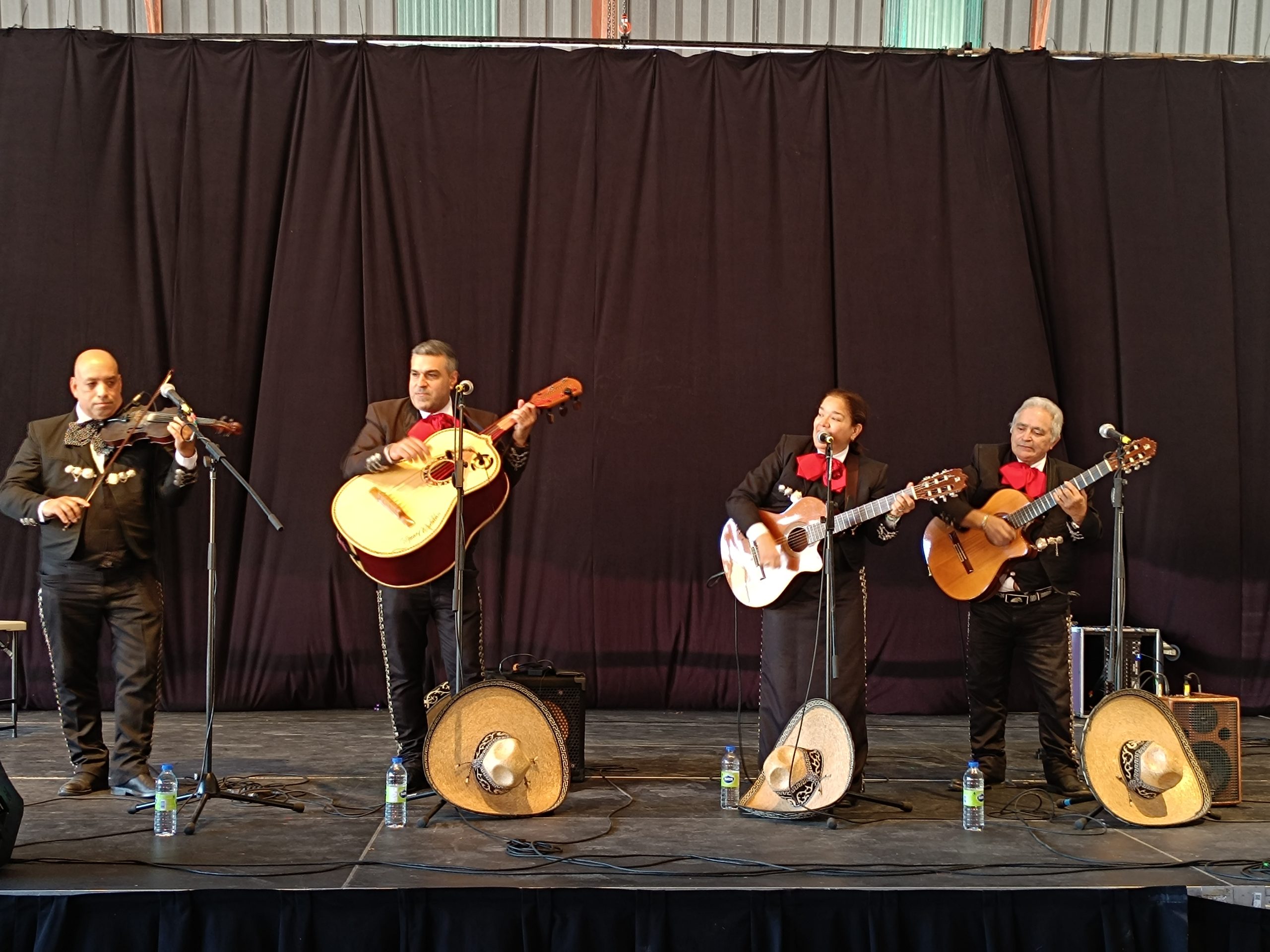
The renowned group México Amigo Mariachi performed on stage at the Good Mourning Festival at Evergreen Brick Works (their concert took place from 1:00 PM to 2:00 PM).I, along with everyone else present, was dancing.
Do you know what I am grateful to these people for in my life? For their temperament, charisma, melodiousness, and cheerful nature.
I admire these four performers for the way they fire up the audience; I sing their praises and wish them good health. They are over 70, yet they remain cheerful, full of life, and high-spirited.
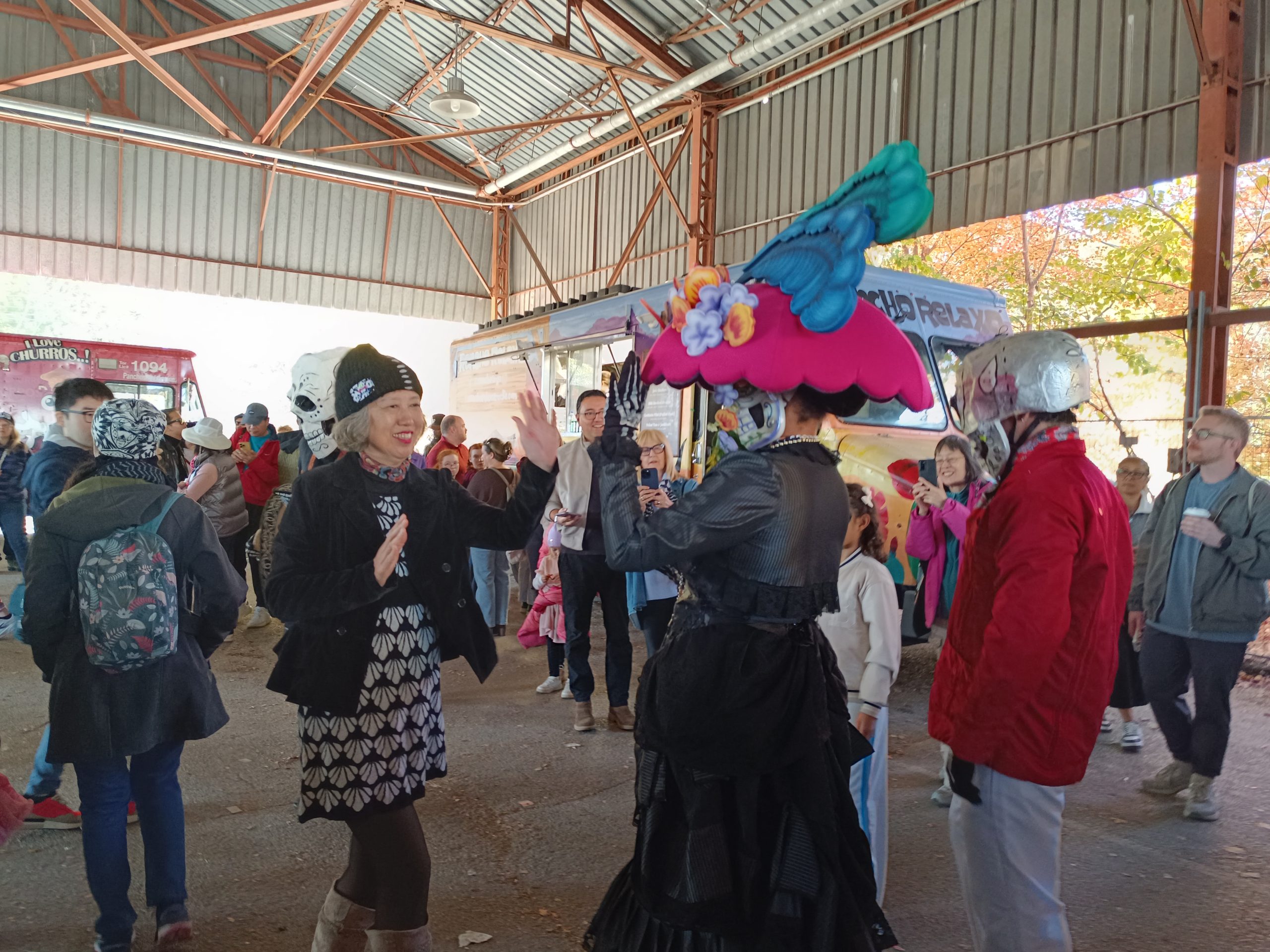
After their performance, a parade took place, in which a lady in a black dress La Calavera Catrina brought up the rear.
We all managed to get some photos taken with them. It turned out they were a dance troupe that had come from Mexico, and the next event was a dance performance about Frida.
The performance about Frida Kahlo was performed at the festival by the dance group The Mexicans Folk Ballet.
This is a well-known Mexican folk ballet company in Toronto that annually prepares special drama and dance performances for the Day of the Dead. Their festive program traditionally includes theatrical dances inspired by the image of Frida Kahlo, as well as the famous “living” skeletons Katrina and the Mexican epic.
The figure of Frida Kahlo is central to this festival (and to the Day of the Dead as a whole) for several profound cultural, historical, and personal reasons. She is not merely a celebrated artist, but the perfect embodiment of the very philosophy behind the holiday:
Frida’s whole life was a struggle with severe physical suffering (after a serious accident). In Mexican culture, death is perceived not as an ending, but as a continuation of life. Frida reflected this in her art: she often painted herself surrounded by skeletons, skulls, and traditional Day of the Dead symbols. She was not afraid of death, but mocked it and glorified it, which perfectly coincides with the spirit of Día de los Muertos.
During her lifetime, Frida Kahlo did an immense amount to popularize indigenous Mexican culture. She made a point of wearing traditional dresses from the Tehuantepec region, weaving bright flowers—marigolds—into her hair, and collecting Mexican folk art. For the Mexican Folk Ballet and the musicians performing at a festival in Toronto, Frida serves as the primary visual symbol of Mexico.
In Mexico, in the famous “Blue House” of Frida Kahlo in Coyoacan, one of the most beautiful and large-scale altars (ofrendas) in the country is built every year. This tradition firmly connected her name with the holiday. People all over the world are inspired by her style when creating Katrina’s holiday makeup and costumes.
As the Evergreen Brick Works hosts the Good Mourning Festival, a festival dedicated to the theme of grief, loss and healing, the story of Frida Kahlo fits perfectly here. She is the world’s symbol of resilience, a woman who turned her personal tragedy, pain and near death into great, immortal art.
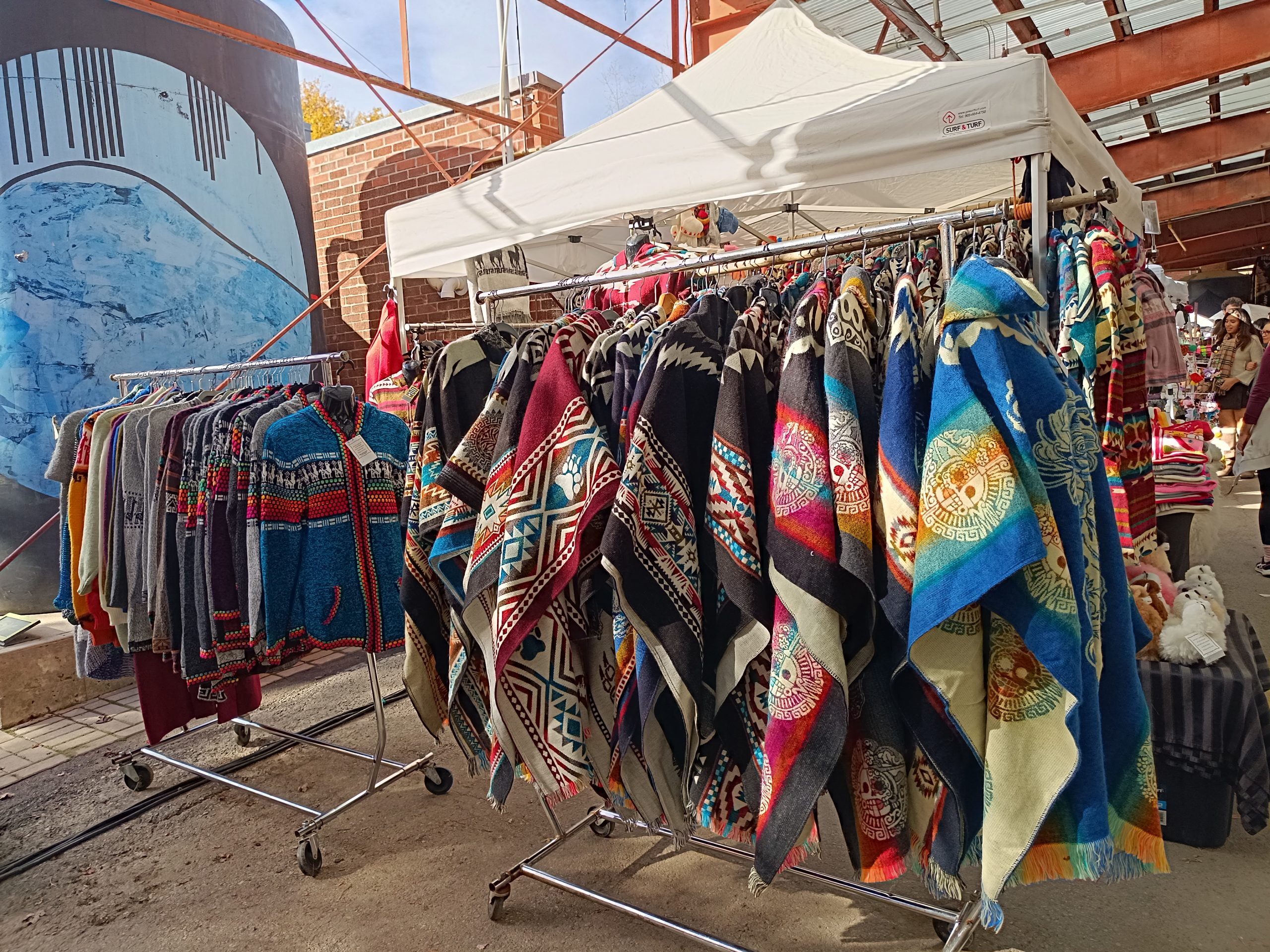
Finally, I saw alpaca-wool items and clothing in Toronto—and they were even cheaper than in Peru! I was also delighted to come across a young woman from Colombia doing beadwork.
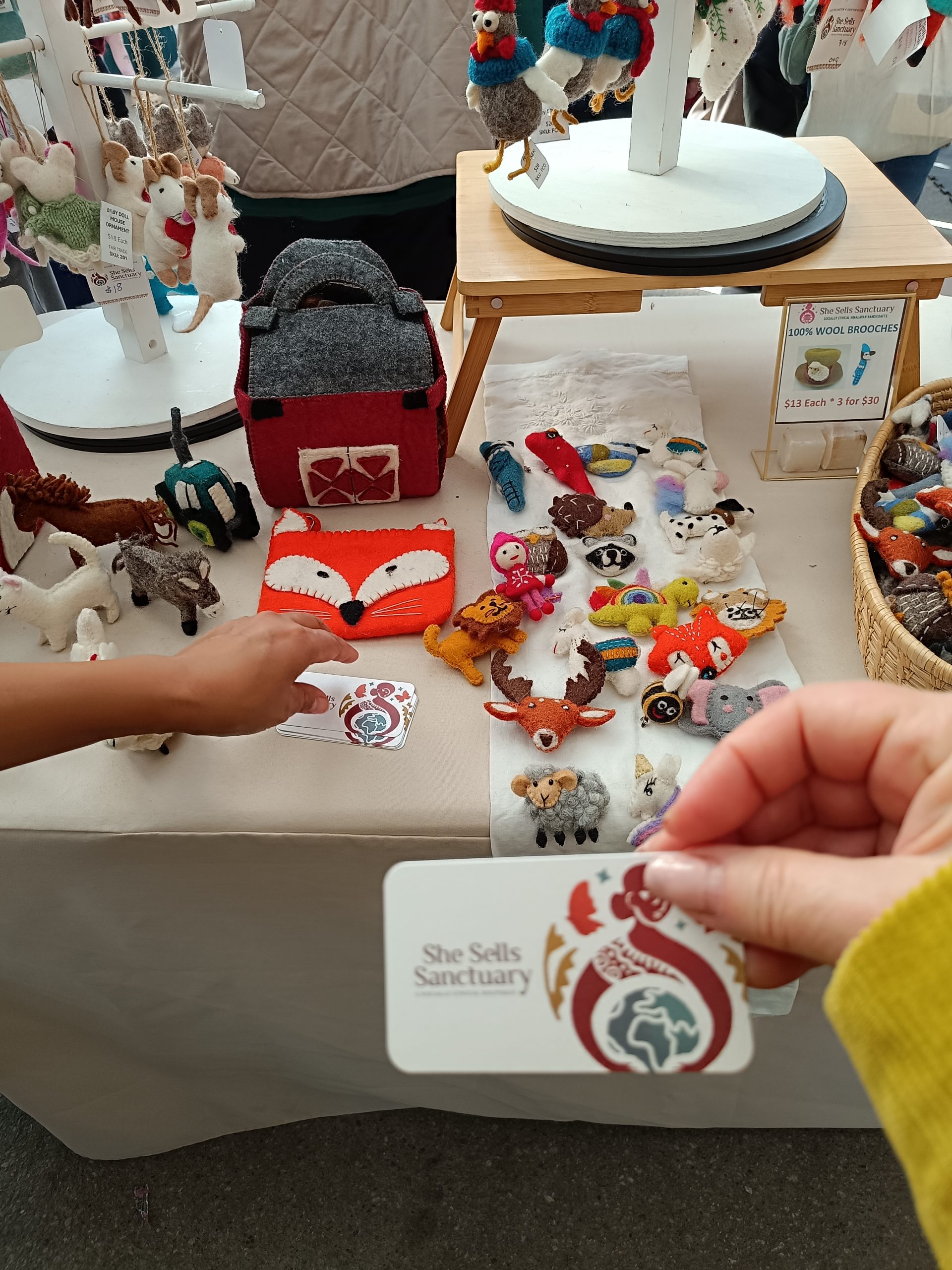
I took her business card; I’d love to invite her to the Ukrainian community center to showcase her craft to the Ukrainian women there. To top it all off, I waited in line for a Colombian latte topped with a croissant—it cost $8, and they actually have a café here in Toronto. But the real highlight was the taste of the Colombian coffee itself; the quality is superb.
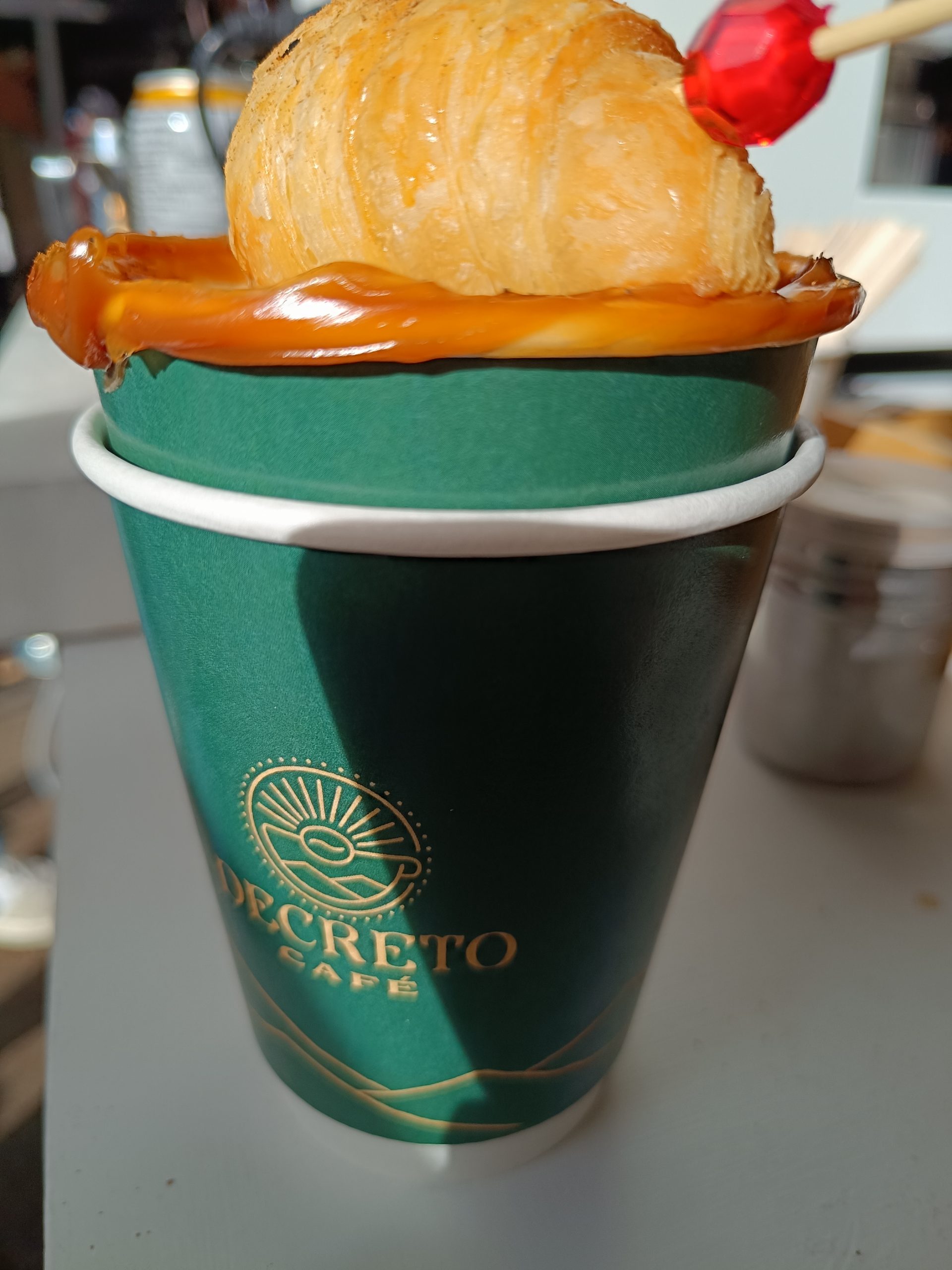
The day was a success in every way. Instead of waiting in line for a free shuttle to the subway station or hailing an Uber or Lyft, we decided to walk—uphill! We must have covered about 6 kilometers, but it didn’t feel difficult at all. I’m left with a positive vibe that will last all week; I’m writing this on Monday, still happily reflecting on the event.
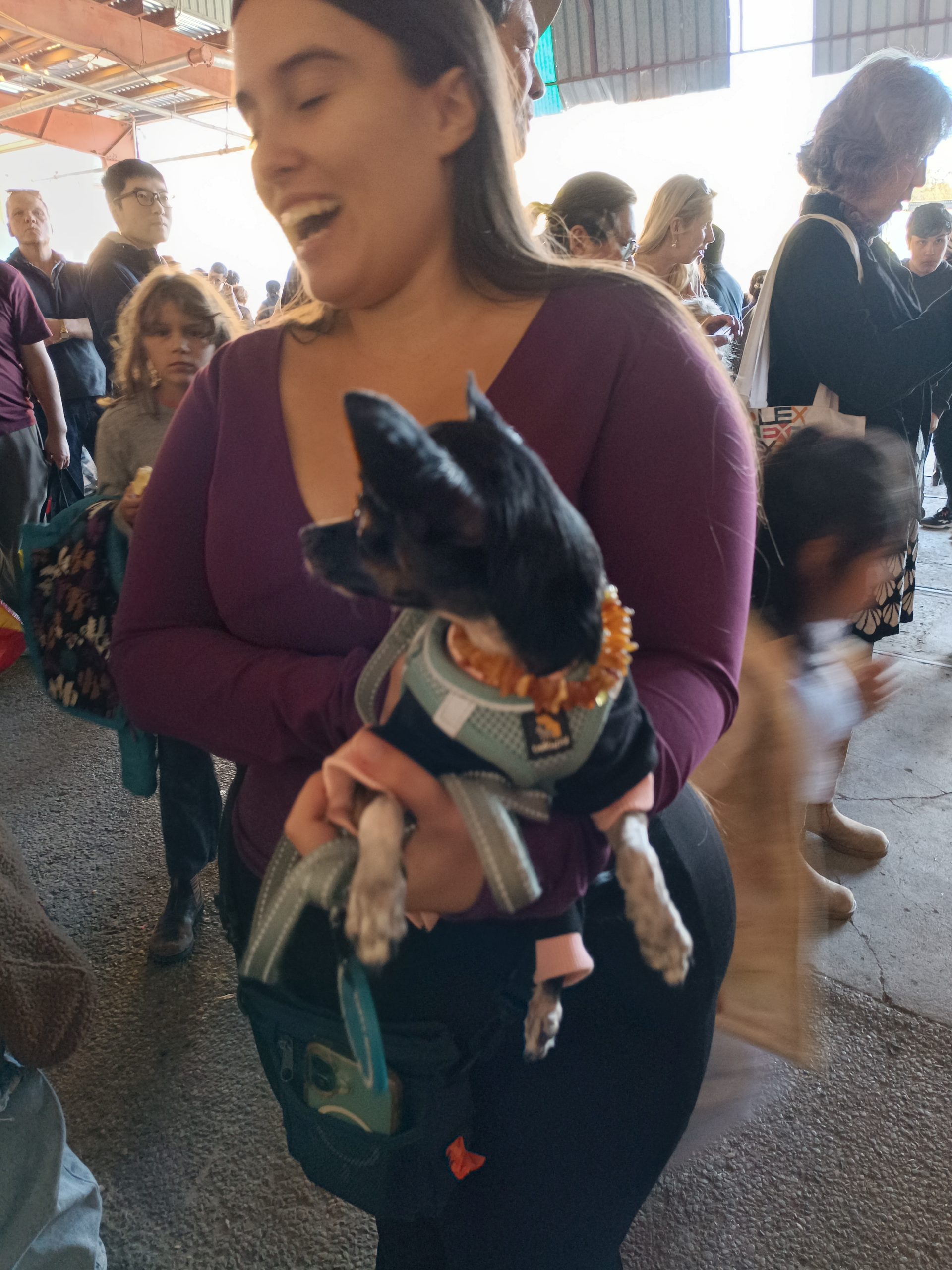
Oh, and I almost forgot the most important part: there were so many Chihuahuas there with their owners, each one clearly proud to have such a dog.For the ancient inhabitants of the Andes, dogs held a truly sacred significance—they were revered as guides for souls into the afterlife (psychopomps) and were sometimes sacrificed to the gods.
I even met a little black beauty who looked exactly like my own dog, Mimi. Without a second thought, I suggested they meet—but the owner replied that her dog had been spayed. Why are we so harsh toward our beloved pets? My dogs get to live their own natural, “doggy” lives—and that is the most important and valuable thing I could ever give them.