When today’s news feels overwhelming, we often forget that our greatest strength is already within us—woven into our bloodline and ancestral memory.
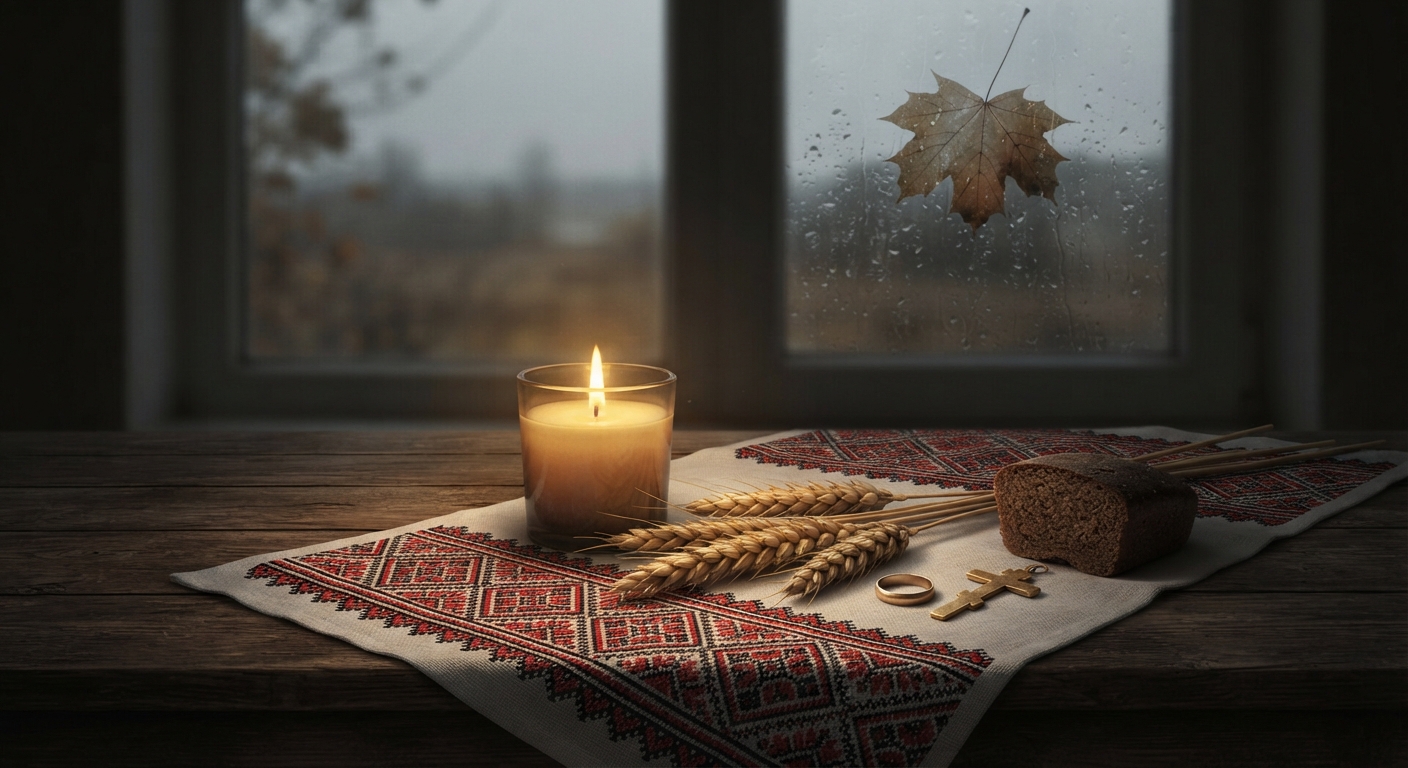
In 1932–1933, the Soviet regime engineered the Holodomor, a man-made famine designed to break the spirit of the Ukrainian peasantry. After confiscating every last grain of harvest, the authorities opened “Torgsin” stores—state-run shops where starving people could exchange family heirlooms for food at predatory rates. Our ancestors brought their wedding bands, crosses, and earrings—not for wealth, but to buy a sack of grain and save their children from starvation. Back then, the price of survival was measured in grams of gold.
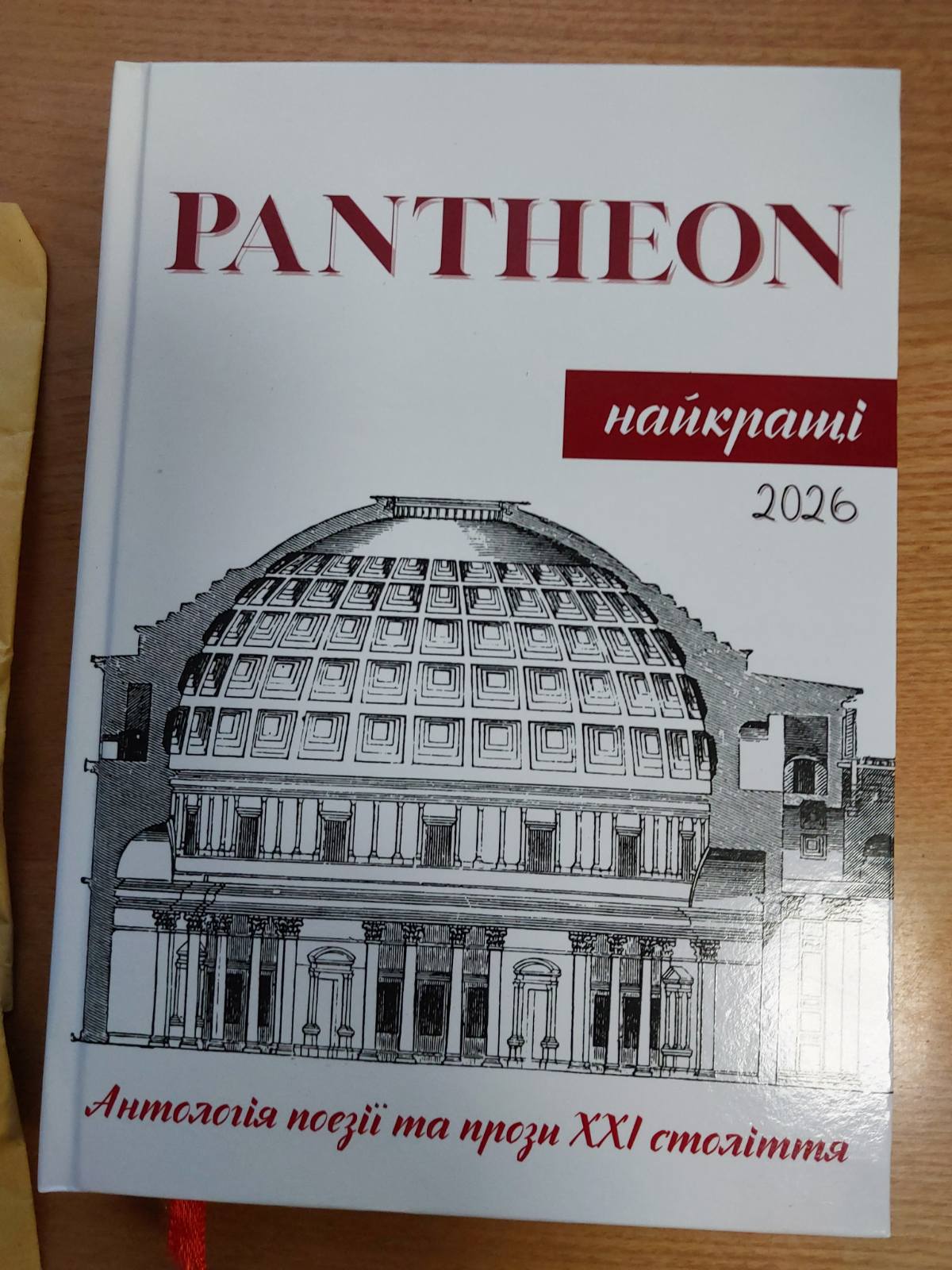
This tragedy struck in the village of Pokrovka, Cherkasy region. Heroine`s memories of those dark times inspired my essay “11 Grams of Memory,” which has just been published in the book “Almanac: The Best of 2026.”
Here is an excerpt from the piece:
“‘Torgsin’ sounded like a death sentence. People brought their last talismans—golden crosses, wedding rings, earrings passed down from mother to daughter—to trade them for life. Eleven grams of gold for 70 kilograms of grain was a predatory rate set by the authorities to drain the villagers of their last valuables in exchange for the very food that had been stolen from them.
People stood in lines at these shops, holding the history of their lineage in their palms. Giving up that gold meant more than paying a ‘fine’; it meant surrendering the last physical symbol of their ancestors’ memory to save their children from starving to death. A farmer would sooner give up his final piece of jewelry than watch his infant fade away—he would give up the gold so the chain of life would not break…”
We remember every soul. And we stand strong today, because we are the continuation of an unbreakable lineage. ?ᄌマ?
#Holodomor #HolodomorRemembrance #11GramsOfMemory #UkrainianLiterature #FamilyHistory #HelenPolishuk #Resilience #ОленаПоліщук