Do you remember my previous post about the “celebration of death”? If not, I suggest you go back and read it, as today I am continuing that line of thought. In the course of exploring the Americas—traveling through various countries and getting to know their diverse, fascinating peoples—I noticed how vastly different they are from us, those of us born in Europe. This is a discovery I feel compelled to share with you. There is a particular coincidence—perhaps strange, perhaps not—regarding my being born in Europe, which I consider a monumental achievement of the last century: the opportunity to travel independently, explore the world, gather ideas, and weave them into one’s own creative work. For those of us born in the second half of the 20th century, this has opened up a wonderful chance to broaden our horizons and shape our perspectives through interaction with entirely different societies. When we encounter someone from another culture in our own country—say, a student arriving in Europe from Peru—we often fail to truly understand them. But when you travel to Peru yourself—when you book a trip to Machu Picchu and choose not to take the comfortable train (where meals are served and people dance)—but instead decide to hike up the mountain on foot (no, it’s not massive—only 2,400 meters above sea level) over the course of four days—you don’t just feel a connection to that world; you become deeply, intrinsically linked to it. You stay in the village of Aguas Calientes at the foot of the mountain, and from there, you make your way up toward Machu Picchu, which reaches an elevation of 3,082 meters. …meters. Is it interesting? Yes. You get support from the locals. But the main thing is your health and endurance. And then there are the reflections after the ascent—thoughts that won’t let you rest.
It was last year, when Peru was still somewhat restricted, yet we had the chance to go. We bought our tickets, secured entry to Machu Picchu, and arrived in Cusco. And then it began. Neither my husband nor I were prepared for altitude sickness to hit us. We had four days there, and the hardest part for me was the very last night—I had to sleep sitting up, just waiting for morning. We arrived in Cusco—which is at a higher altitude than Machu Picchu—and settled into a convenient neighborhood.
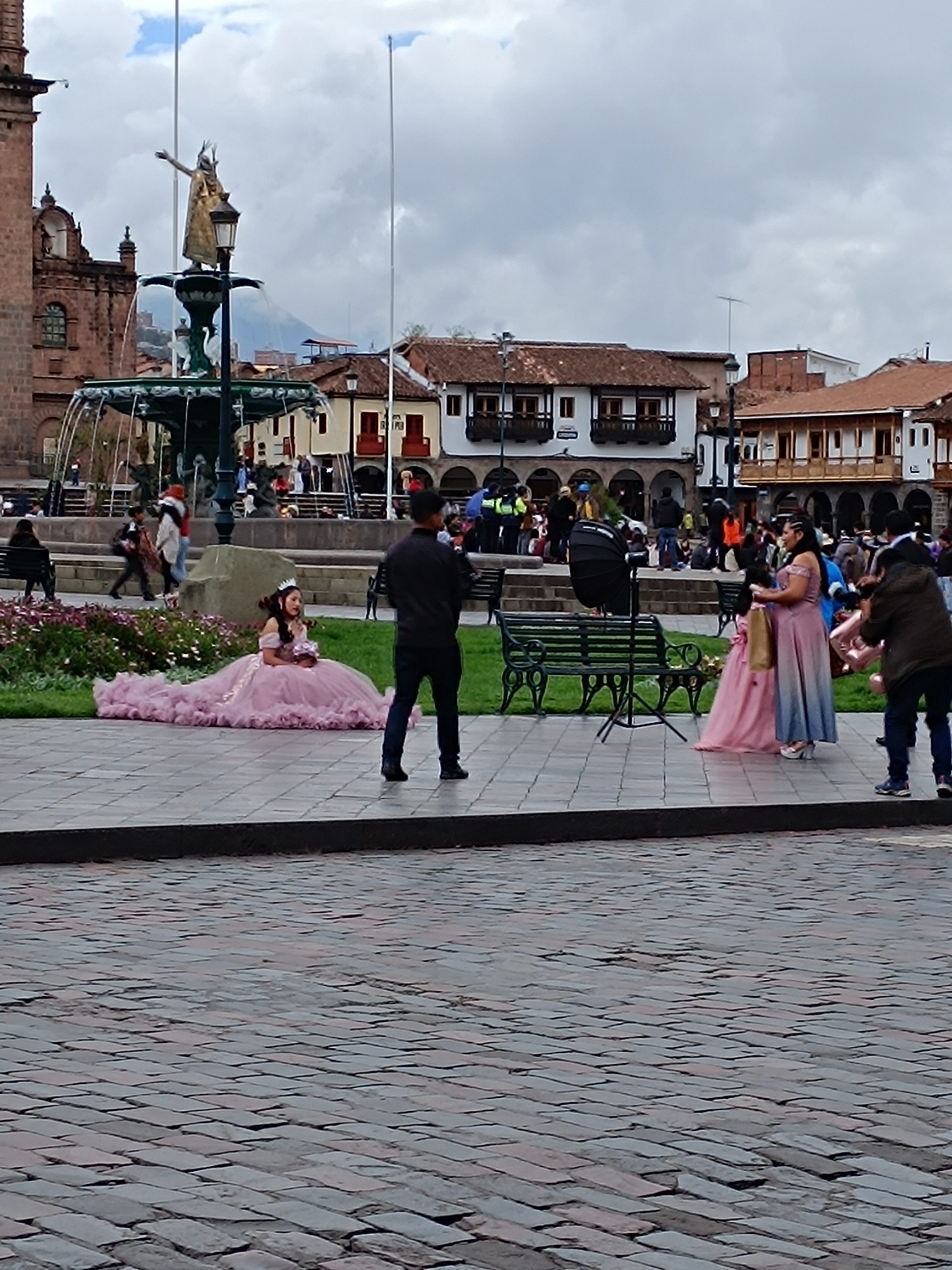
A taxi dropped us off, heavy backpacks and all, right in the middle of a square in the center of Cusco. I hadn’t realized that getting to our hotel meant climbing even further uphill. So, we started walking. That’s how it went for all four days: we’d be gasping for air after taking just a single step. Our breathing would stop, and our hearts would pound so hard it felt like they were about to jump out of our chests. To make matters worse, I was already ill. I had developed cysts on both eyes—something that had never happened to me before—causing excruciating pain unlike anything I had ever experienced. For the four weeks leading up to our flight, I had to lie in total darkness, shielding myself from any light, as even the slightest exposure caused me agony; I kept my eyes tightly shut. My vision deteriorated as a result. At the time, I asked my doctor, “Can I still go?” I had never dealt with anything like this in my life—being unable to see, having to hide from the light for four weeks, and not even taking any medication. I was simply under observation, but no treatment was provided. They kept suggesting various diagnoses, then ruling them out. But none of us… …understood what it was. And still do, for that matter. So, I set off, sporting an extra feature on both my eyes—cysts—which, while not exactly getting in the way, were quite noticeable. Why didn’t I stay home? For one thing, the tickets had been bought and paid for long before I got sick. It was a huge sum of money that could have been lost, along with the chance to visit Peru. So, I took the risk.
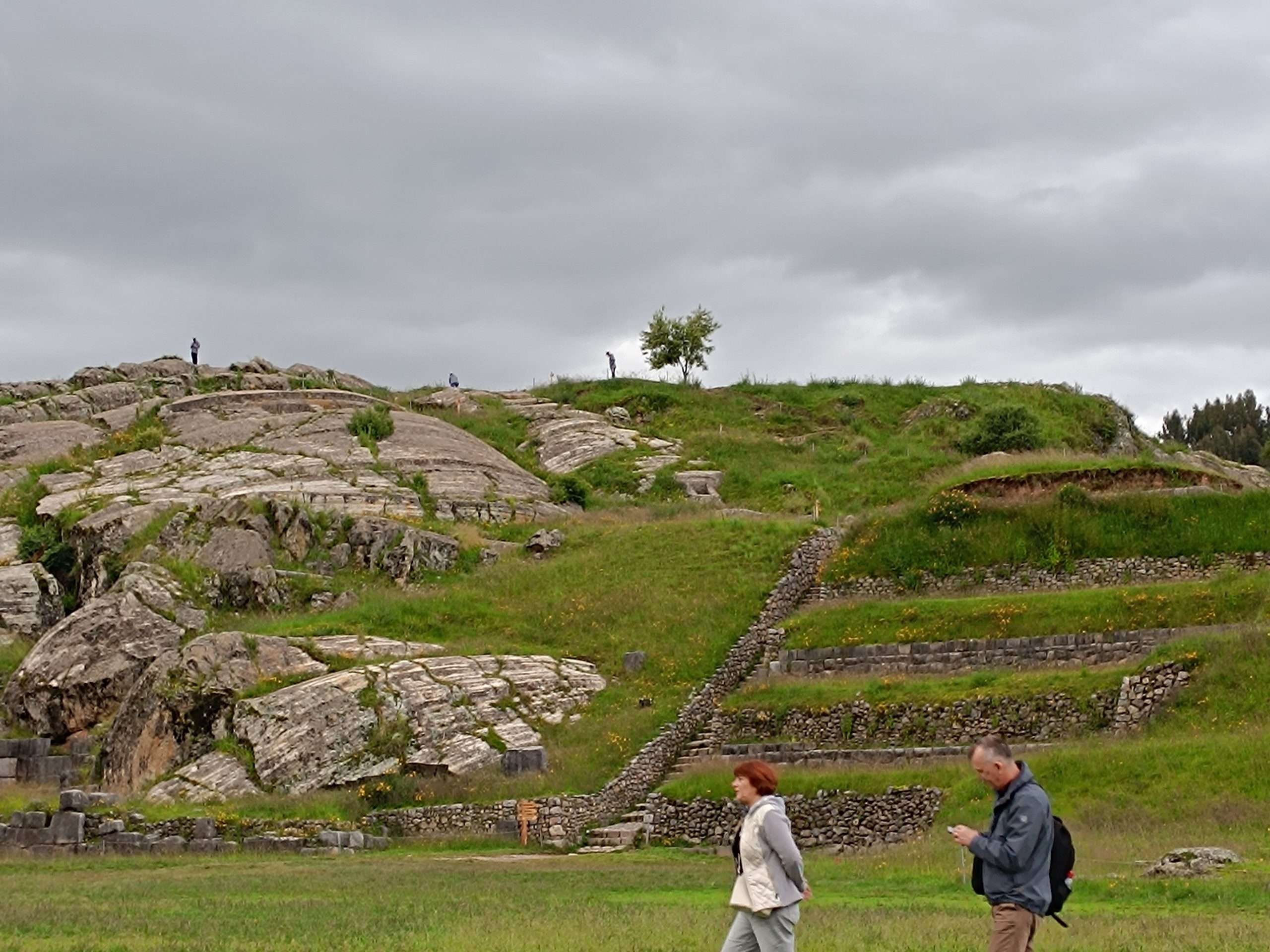
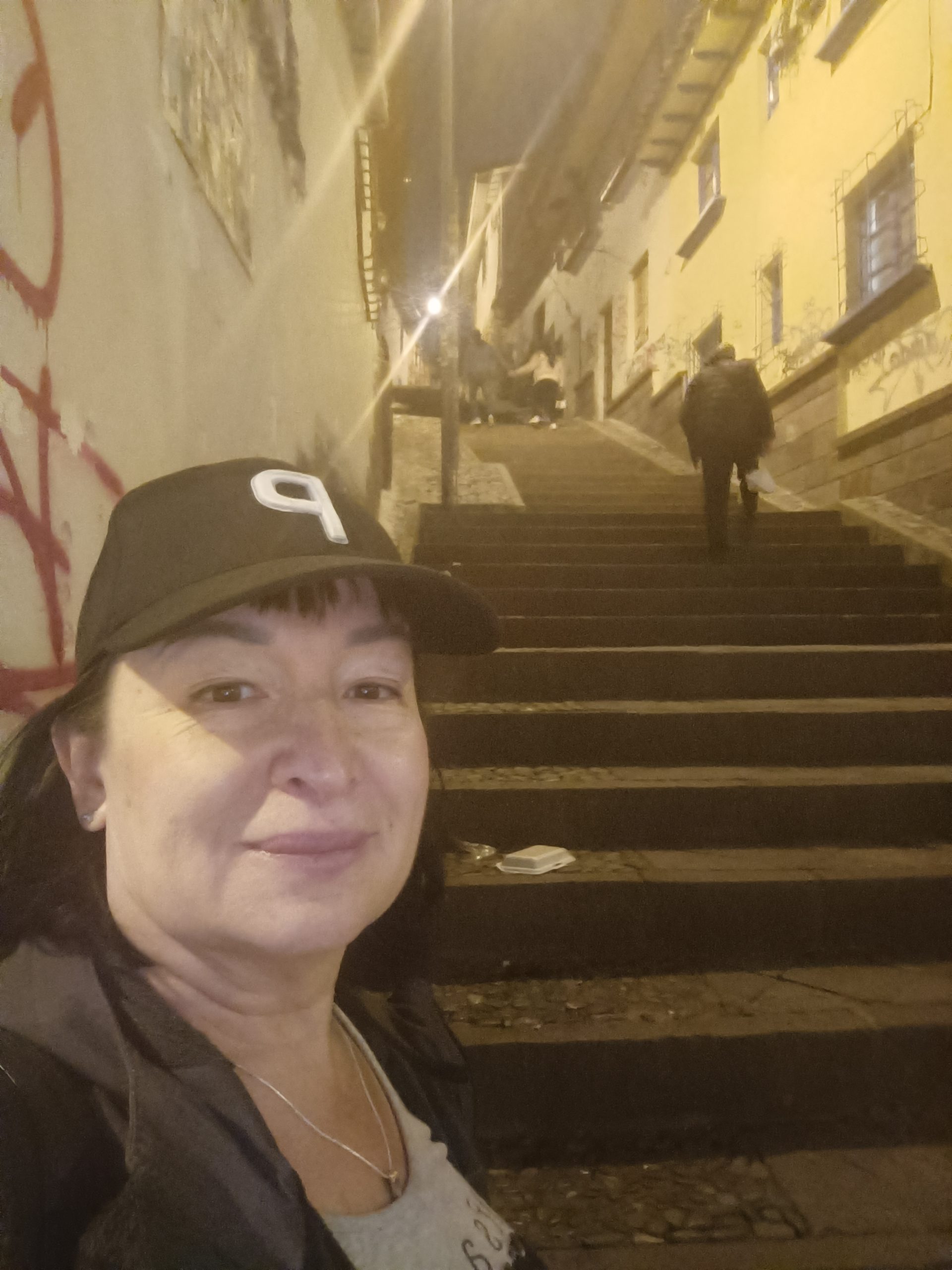
So, as we made our way up to our hotel with our backpacks, I had no idea what lay ahead. I had handled the flight quite well; we flew via Guatemala, where I bought some sweets sold by weight—I really liked them; they reminded me of Middle Eastern sweets. And then, we arrived at the hotel. Everything was wonderful, yet it felt as though something was squeezing my heart—as if someone, you know, was holding it in their grip. Neither water nor the medication I had brought with me helped. We decided against going to a pharmacy to ask for the remedies that everyone else there was using; you never know what might happen. We spent the first day walking around the city.
Cusco is a marvelous place—one I will always remember. The people there are incredibly warm and kind; they are a bit shorter than me—no taller than 150 cm—and have a bronze complexion. I initially thought this was their natural skin tone, but it’s actually from the sun. By the way, the sun there is truly quite harsh. My husband doesn’t have sensitive skin, but—due to his age—he has no hair on his head. So, while we were exploring the city, I visited yet another museum (I visited every single one; I was fascinated by everything, after all, I was in the very heart of a city where the Incas had lived not so long ago)…
I went to the museum, leaving my husband to wait for me in a small square among the other people. I was gone for 20 minutes, maybe half an hour. When I returned… that evening, my husband had a sunburn—the sun had burned his skin. His skin hadn’t just turned red; he had actually sustained burns, and his face was swollen.
That was when we realized how high up we were living, and that these people, in order to work the land, are exposed to high levels of ultraviolet light every single day. It is an immense strain. I was told they were used to it—but I don’t think so. Can a person ever get used to poison? Of course not; their lifespan would simply be significantly shortened. Next on our agenda was visiting the local tourist spots. We dropped off our backpacks, hailed a taxi—agreeing on a very reasonable price—and set off with the driver, a local Peruvian (I’ll mention him again later). It’s fascinating how life brings you across the same people more than once—it’s something worth noting. That evening, the taxi took us to all the places typically shown to tourists. I did most of the exploring on foot; my husband, meanwhile, was dealing with a common issue for men in this region—difficulty urinating. He felt the urge but simply couldn’t go. To manage, he stayed relatively low-key, mostly remaining in the car while I visited the sites. Toward the end of the evening, the rain—which had held off just long enough for me to take some photos—began to pour, so we headed back to the hotel. That day, I encountered llamas; I took pictures with the women and the llamas, even hugging them.
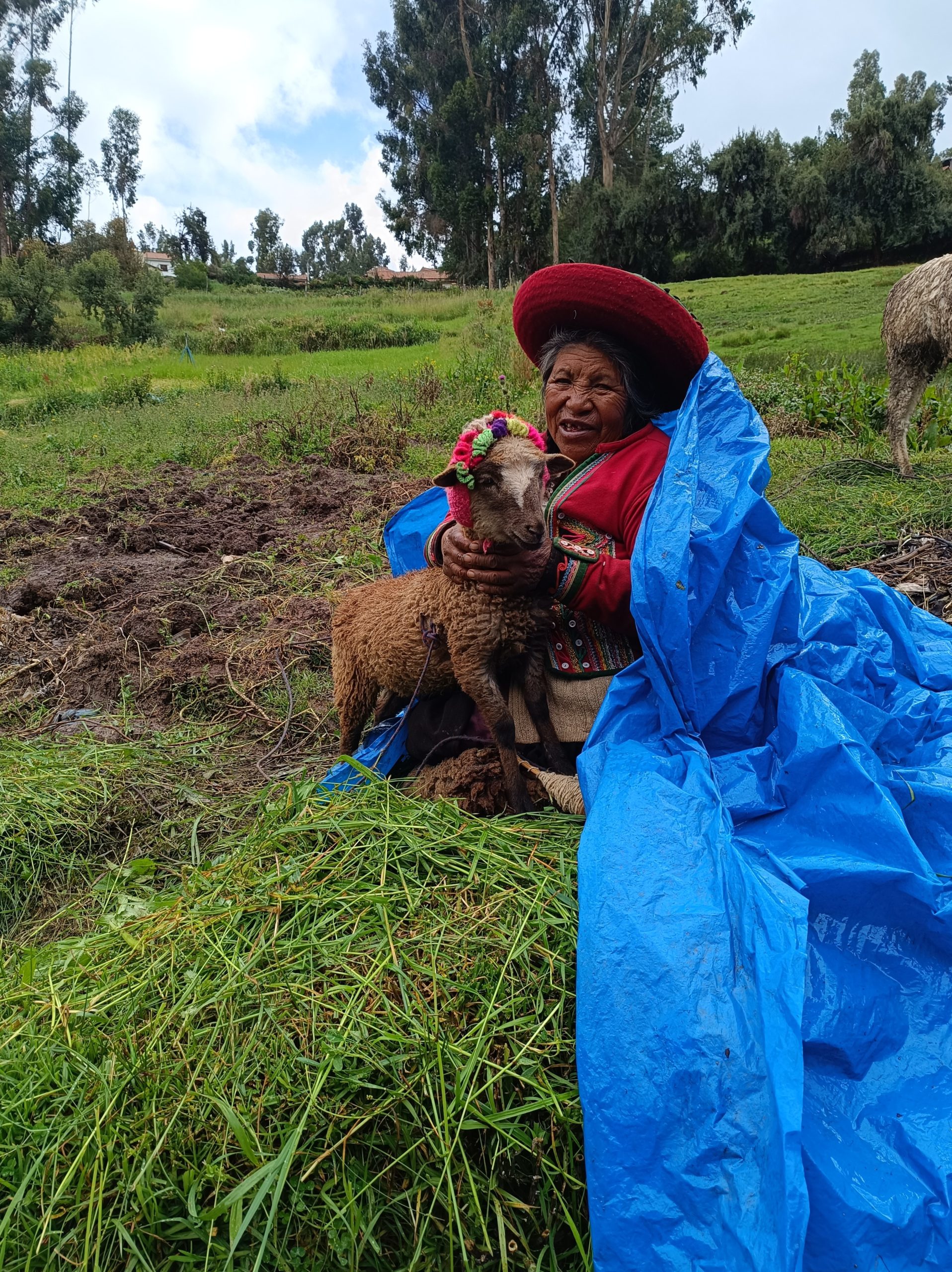
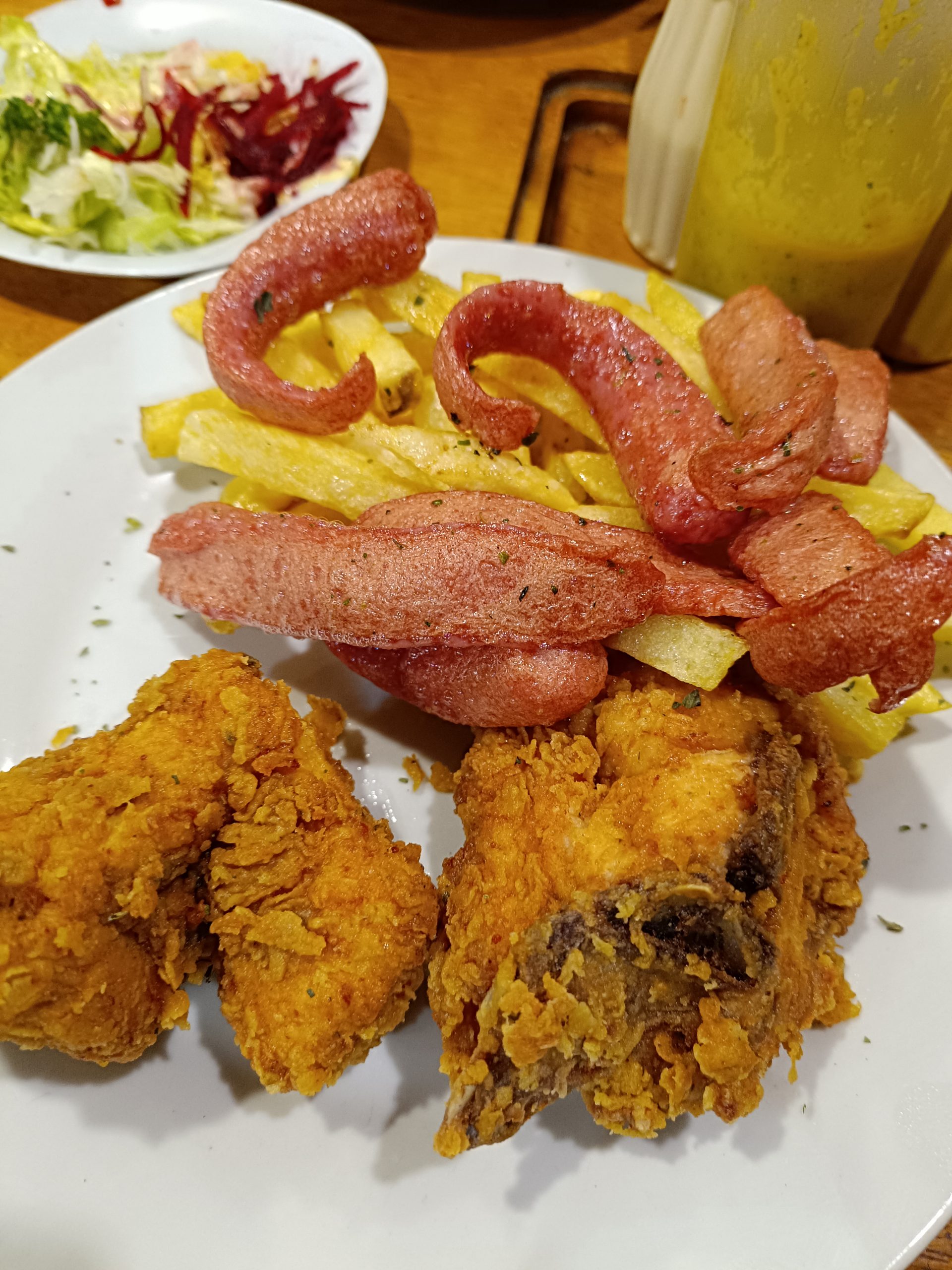
People tried to sell me items made from llama wool, but I didn’t quite “get” them at the time—they were just too bright and colorful. I wondered, “Where on earth would I ever wear something like that?” So, I just browsed, climbed around the ruins, hopped between the stone arches, and took in the view of Cusco from above. The next day, we headed into the city, wandering through museums and markets, popping into souvenir shops, and I even tried guinea pig.
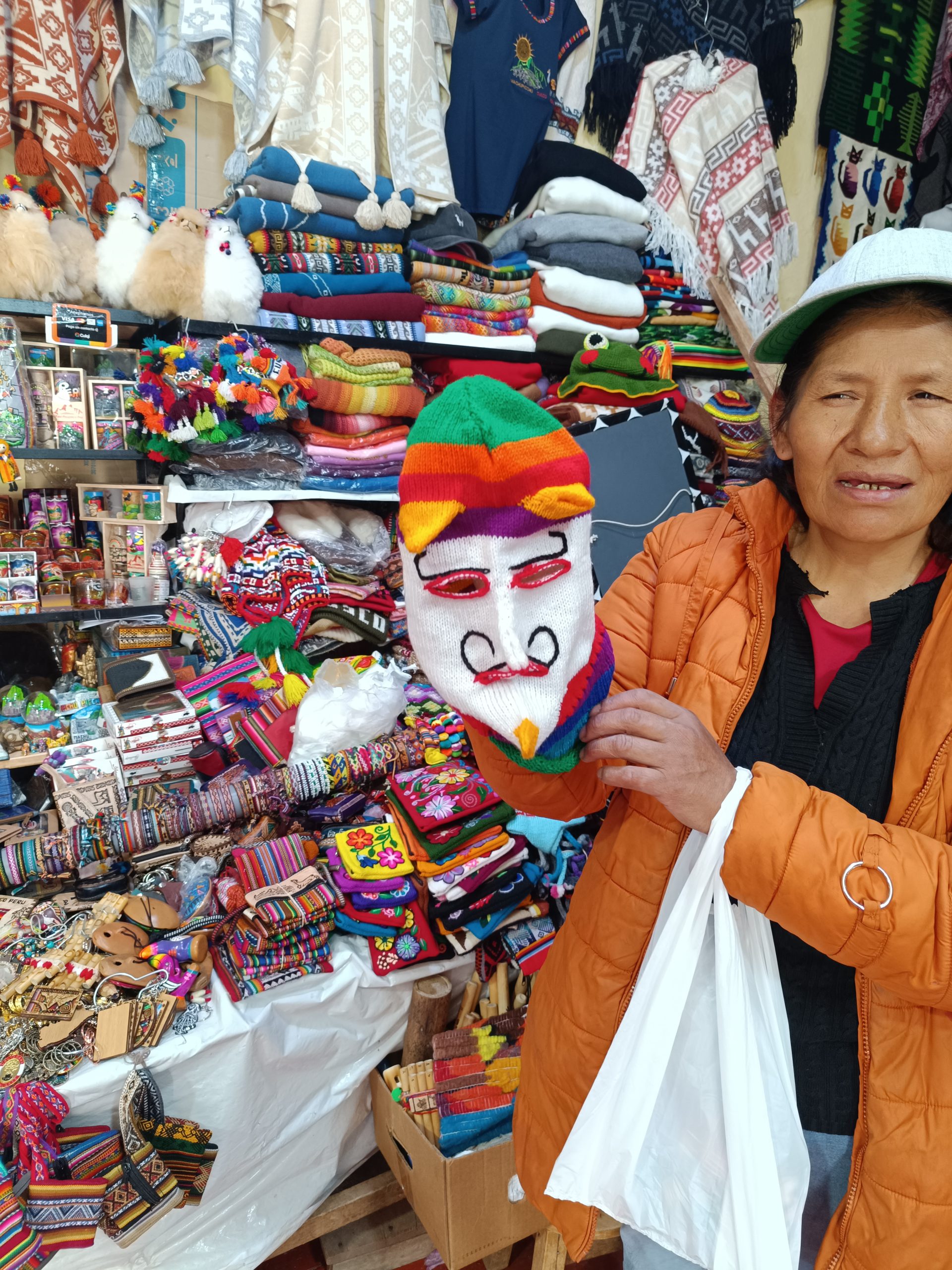
By this point, I had started to really enjoy everything around me; I… I bought a hat featuring their traditional patterns—it remains a source of pride for me whenever I wear it to events in Toronto. I also purchased a wool cape, typical of Cusco, Peru; it is my best piece of winter clothing. I saw shops here—frequented by tourists—selling very expensive alpaca goods. I took photos, visited museums, and gained new knowledge. I met people who have lived their entire lives at this altitude—an altitude where I myself feel quite uncomfortable.
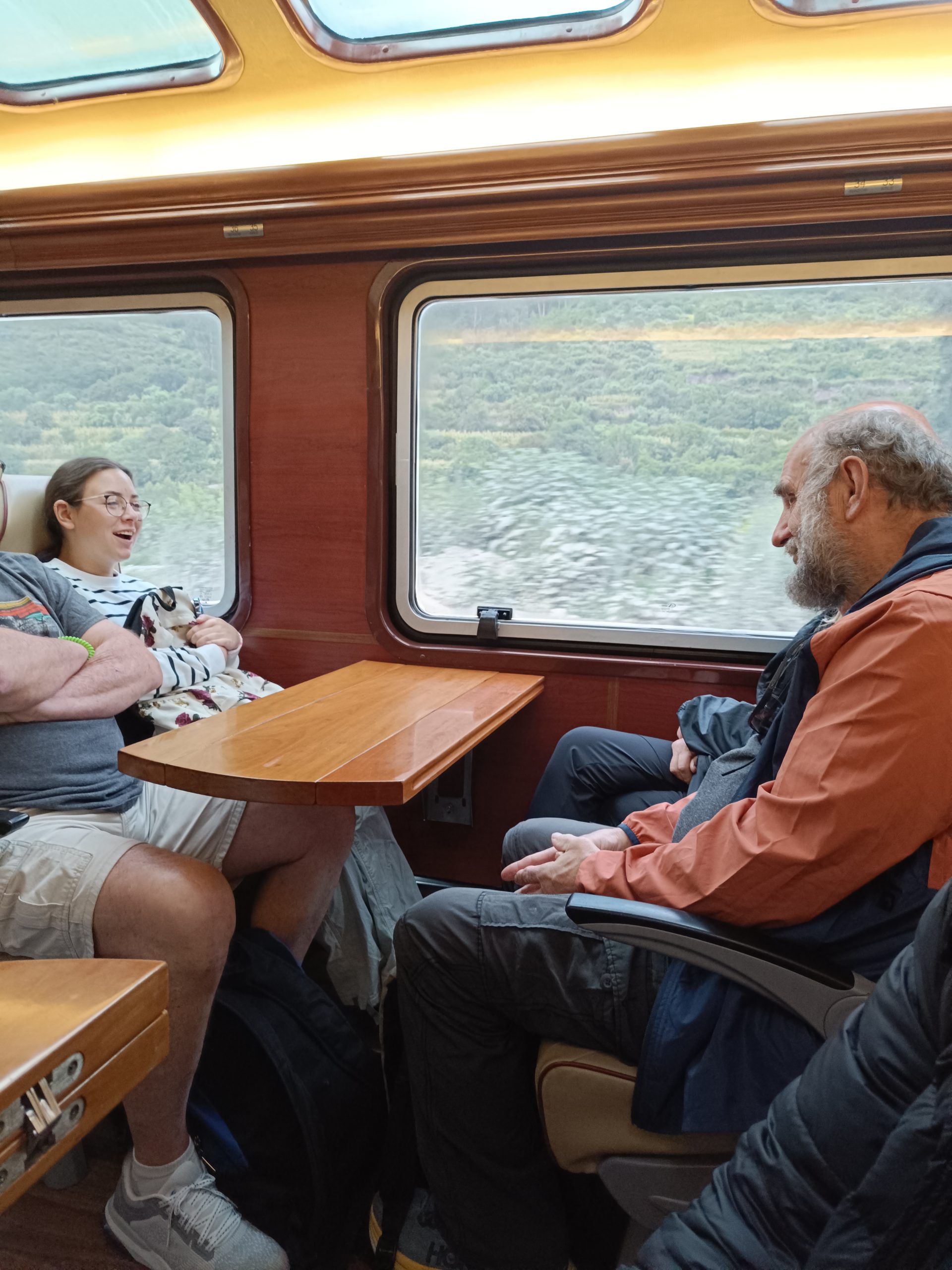
At night, I was plagued by a feeling of suffocation; I would wake up gasping for air, go to the bathroom, and take a shower—but the sensation would pass with the arrival of the day. Things would get a little easier. Perhaps certain hormones are at work during the night. The day to set off for Machu Picchu had arrived. We left Cusco at 3:00 a.m. and traveled for a long time, passing through dimly lit villages, until, by morning, we arrived at an amazing town that glowed amidst towering mountains. It was…Urubamba.We descended into the city along a zigzagging road. The city was stirring from the night; people were hurrying off to work in the morning. I still think of this city—it was like an oasis, very much a working-class place. From there, we traveled to the train stop along a flat road, with no ascents or descents. In the city Ollantaytambo our minibus stopped, and we were met by cheerful Peruvians in their national clothes, who sang and danced. This atmosphere is quite cheerful and encouraging. We got on the bus, which took three hours to the town of Machu Picchu, where the bus took us up to Machu Picchu. In the bus, we were told a play about love. impassable mountains, on the other – a rock that cuts deep down, where a roaring, raging river roars Urubamba.A step to the left, a step to the right—death.
We were heading into the unknown, with no possibility of veering off course by even a meter. Was it dangerous? We didn’t think about that at the time. Perhaps we were sleepy, or perhaps the excitement had taken over, but you simply don’t consider that a journey might be perilous. It’s not as if someone was personally looking after us—no, travel agencies handled everything according to our tickets. And so, we arrived at the foot of the mountain, in the town of Machu Picchu—that is actually its name. No one lives there; everyone is engaged in business—transporting tourists up the mountain, into the very realm of the Incas. My husband and I got off; we had about an hour before our ascent, so we wandered among the restaurants and shops… and then! We stumbled upon the body of a young person (it was impossible to tell exactly who) covered by a cloth. Who was it? A tourist, of course. They had died. The body lay covered right there in the square, waiting for an ambulance to arrive—even an ambulance struggles to reach this little town. The weather was sunny, though—we were lucky; there were no downpours or wind. This death, amidst the mountains at the foot of Machu Picchu, shook me to the core. It has stayed with me for the rest of my life. It changed me. This is what I wanted to tell you about—what I was preparing you for. Death. The death of a person who had dreams, who had set out on a journey, and who died—a young person—at the very foot of their dream. They died at the foot of their dream. That is how their life ended. A backpack. …was laid on top of the covering that wrapped the body. What struck me most was the people’s reaction—and there were so many of them—yet everyone just walked by in silence. No one stopped, though everyone saw it. Silence. A silence that held everything: hushed speculation about how such a thing could happen, thoughts about his terrible misfortune, and a sense of caution—a reminder that this is a dangerous journey. Yes, that is the only way to truly realize that you are in danger.
Ahead of us lay another climb of roughly one kilometer. I was shaking a little. My husband and I had a private guide. I want to make a special mention of him and express my gratitude. He did his best to tell us about this civilization—he is a descendant of it, lives nearby with his family, his wife and children, and works as a guide. The death of tourists happens all the time here. It felt like a game of roulette—whether luck would be on your side or not. We were lucky. Everything there was clearly a matter of chance—whether luck was on your side or not. Up there, you’re practically tugging at Death’s sleeve. Up there, at the summit, amidst the Inca settlement—close to the stars and the sky, where your breath catches, where you learn to cherish every single day. For the Incas, it was a cause for celebration when the person tasked with observing the heavens spotted the North Star—a sign that another year had passed. That was a true celebration. There, they offered coca leaves—not gold, not money, but coca leaves, which brought people peace and rest. Our guide pointed out the best spots for photos. As the rain began to fall, we finished exploring the settlement, returned to the bus, waited for the train, caught a shuttle, and arrived back at our hotel at midnight.
Throughout the trip, thoughts had been swirling in my mind; now, they finally coalesced into a single realization: the value of life lies in every passing moment, and life is honored through dance, festivities, carnivals, and celebrations. The next day—our second-to-last—was spent in Cusco. I spent my time visiting museums, while my husband ended up with a bad sunburn after spending just 20–30 minutes in the sun. That night was incredibly difficult for me; altitude sickness hit me hard. I couldn’t sleep; I just sat there, struggling to breathe. In the morning, we got ready to head to the airport. I had managed to learn—both from our guide and online—that in Cusco, there still exist… …families who place a special iron ring on the heads of little girls so that their heads become elongated. Among the Incas, these were considered the most beautiful people, and they held a special status.
We left our backpacks at the hotel, wandered around the city for a bit, and said our goodbyes. We picked up our bags and headed to the spot where we had once hailed a taxi. To our surprise—and great delight—we ran into the very same driver who had taken us all around the area on our first day. It felt like meeting an old friend. The old man was happy to see us, too. He drove us to the airport. We thanked him, the city, and everything that had happened to us; then, filled with a sense of contentment, we sat down to wait for boarding. Suddenly, our flight was canceled. I approached the airline staff to ask for an alternative, and the young woman politely offered us a seat on a flight that was already boarding. I agreed, and we rushed onto the plane—it was completely full. There was a sense of joy knowing that everything was behind us; we had faced this challenge and overcome it—now, nothing could scare us.
During the flight, I felt a sense of accomplishment. Sitting next to me was… a young woman with an elongated head. She was traveling with her boyfriend; they were heading to Lima for a few days.
It seemed like the journey had come to an end—but then again, no: right beside me sat this beautiful young woman—a piece of that world, a continuation of it.
Amazing. Well, since I’m telling the story, I might as well finish it. We arrived, took a taxi, and got to our hotel in Lima. My husband and I looked like a couple of battered vagrants—my husband had a burn, and his face was so swollen his eyes were barely visible; he looked just like a Japanese person. As for me, a cyst had burst—it had been a large lump on my left eye—leaving the eye blood-red, as if someone had punched me. We hadn’t realized how we looked until we got into our room. I cried, fearing the worst. But a few days later, everything was back to normal. The cyst resolved on its own; I even had an appointment with a doctor in Toronto afterward—he didn’t notice a thing, and I didn’t mention it. My husband’s burn healed, though his skin peeled off in large patches.
Looking back now, years later, I wonder—what is this? Why am I sharing this with you? It’s nothing extraordinary, really—not when you live in America. Nothing at all… and yet, it is a dance, a celebration—the joy of knowing that the day of death is behind us. Life lies ahead.
That is what I wanted to share with you. I love you all. In future posts—perhaps not right away—I’ll tell you about other trips. But another key observation I made is that in the Americas, the capitals of many countries are located high up in the mountains. And that is a deliberate choice. Take Rio de Janeiro, for instance—I used to think it was the capital of Brazil. But no! The capital of Brazil—established relatively recently—is Brasília, which sits high up in the warm, lush, and fertile mountains. But more on that another time.