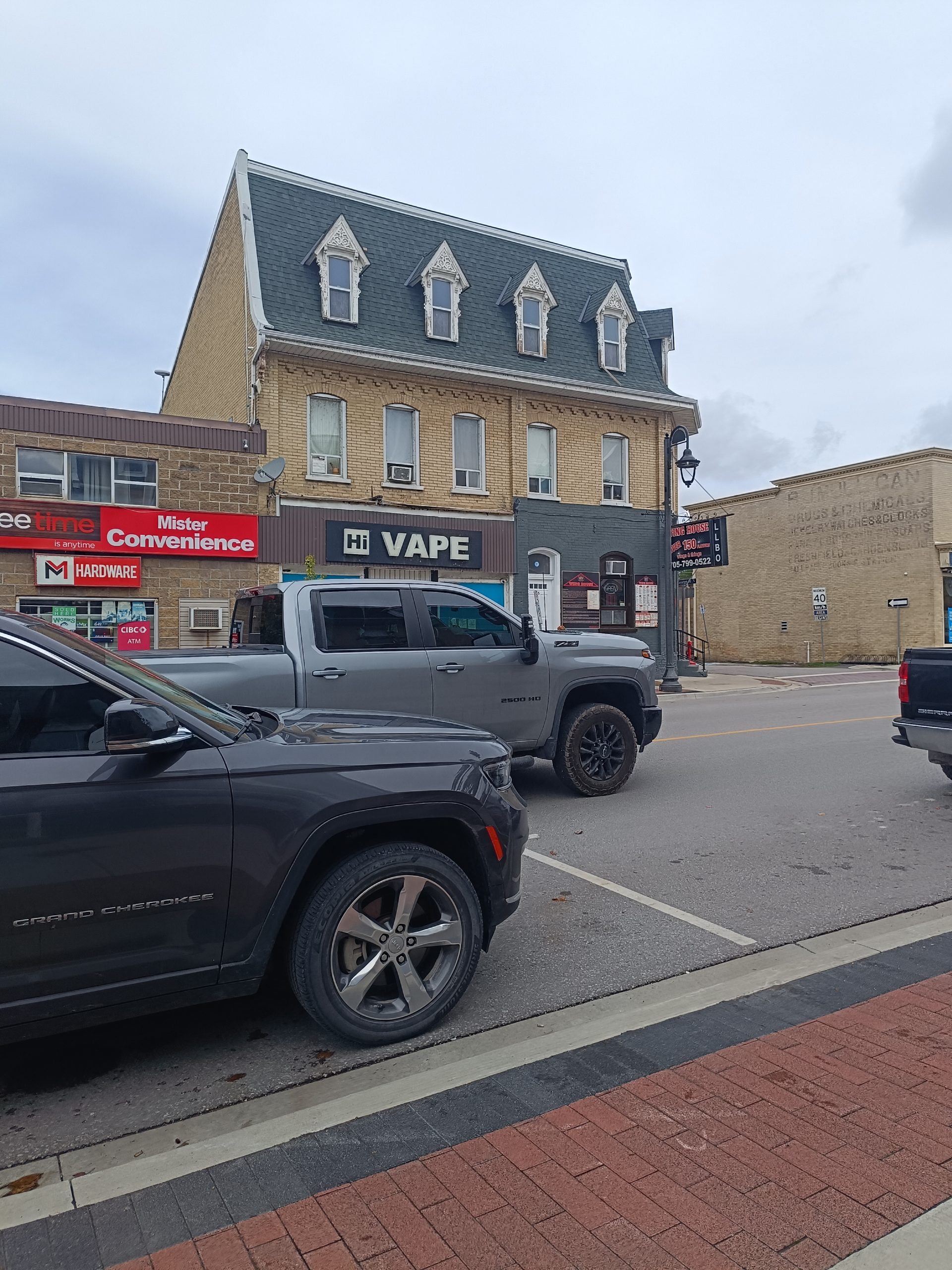
Autumn brings more than just a change in the colors of the trees and grass; it also brings changes within a person—especially when you are over sixty. A few years ago, I fell in love with traveling around Ontario. While I do travel beyond our province, driving across several provinces remains a dream of mine. I want to point out that traveling within Ontario is just as interesting as traveling elsewhere. For instance, this autumn began with me discovering the beauty and richness of our region, known as Kawartha Lakes.
I visited Peterborough—a hub of industry, culture, and agriculture, the center of life in the Kawartha Lakes region, and the gateway to the hill country with its charming parks and forests. Peterborough is delightful in any weather, but it is especially beautiful in the autumn. Not far away lies the small town of Omemee, where we stopped on our way back from Peterborough.Omemee is a community within the city of Kawartha Lakes, Ontario, Canada, formerly known as Victoria County. The community had a population of 1,247 in the Canada 2011 Census. It is located between the city of Peterborough and the community of Lindsay.The population there is probably even smaller now.
Situated along Highway 7 right on the Pigeon River, it is positioned about halfway between the community of Lindsay and the city of Peterborough. Derived from the Mississaugas Anishinaabemowin word o-mimi, which means “pigeon”, the town serves as a scenic gateway for travelers exploring the wider Kawartha Lakes region.”Pigeon”—it’s a beautiful name, isn’t it?
The river here is called Pigeon, and there’s a lake further up. A bridge separates the river from the lake. The scenery is truly picturesque.
This place has inspired—and continues to inspire—many who have visited it. A famous singer Neil Young was born and raised here.
If you enjoy hiking trails as much as I do, the longest trail runs nearby-The Kawartha Trans Canada Trail.
Emily Provincial Park-that’s a story in itself, and it’s so interesting that I highly recommend visiting it.
Located just outside the town center along the Pigeon River, this park is a popular hub for camping, canoeing, fishing, and fall-colour viewing.
Let’s return to this wonderful city—it truly makes you fall in love at first sight. I am actually very fond of the small towns in Ontario; they hold long, rich, and fascinating histories. It is because of stories and towns like these that you fall deeply in love with—and come to appreciate—this rugged and fascinating country, Canada.
A walk down Omemee’s main street highlights a beautiful 19th-century brick facade. You can check out the Omemee Cenotaph—which features a rare 1800s 9-pounder muzzle-loading gun—it is located at an intersection, right in the city center. And although it is small in size, the fact that it is authentic makes it valuable.
The history of Omemee, Ontario is a classic Canadian story of a 19th-century pioneer boomtown. It evolved from a vital riverside mill into a bustling railway hub, before transitioning into the quiet, heritage-focused community it is today.
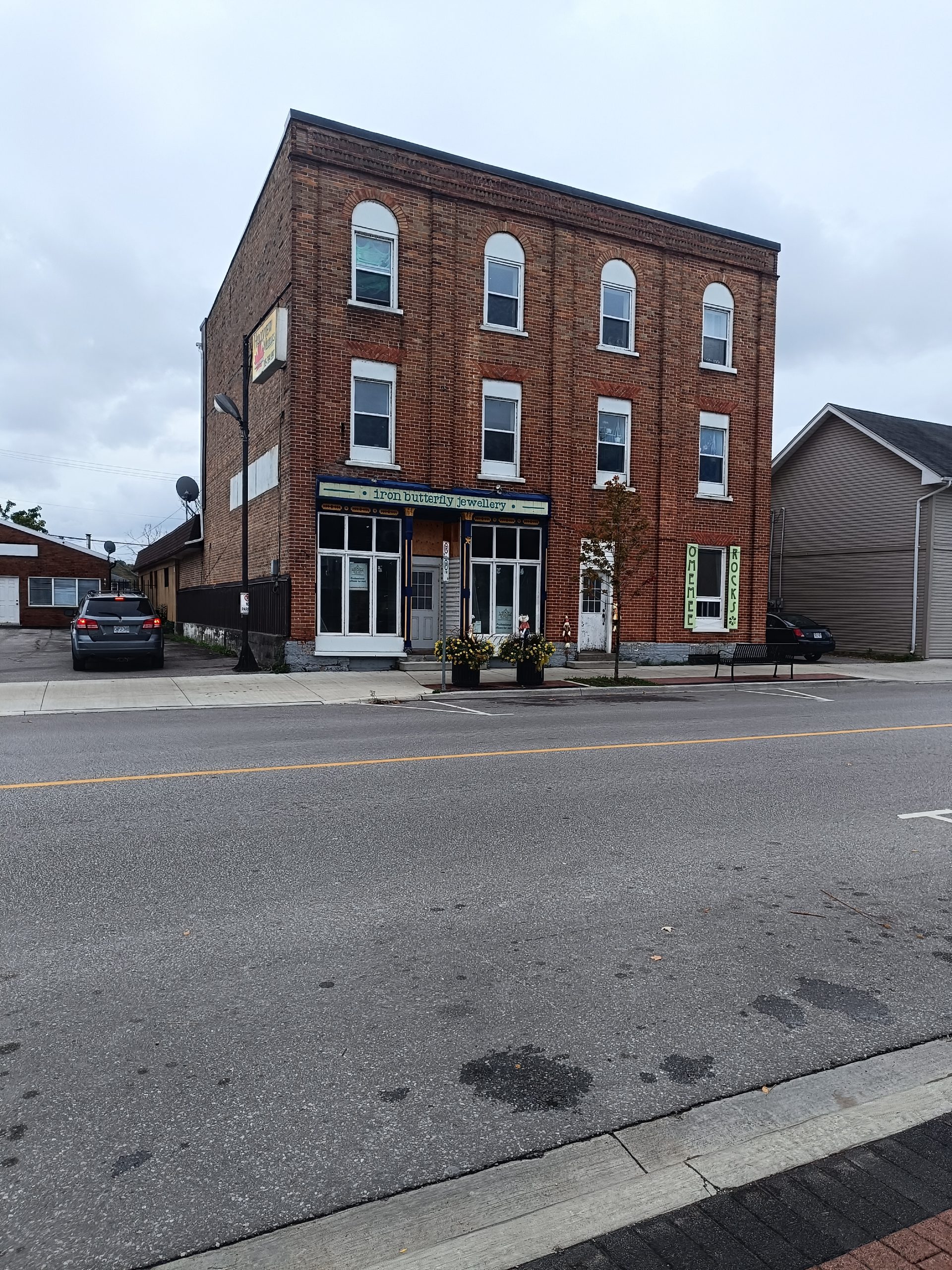
It is wonderful to come and see historic buildings—over a century old—that have remained untouched by time.
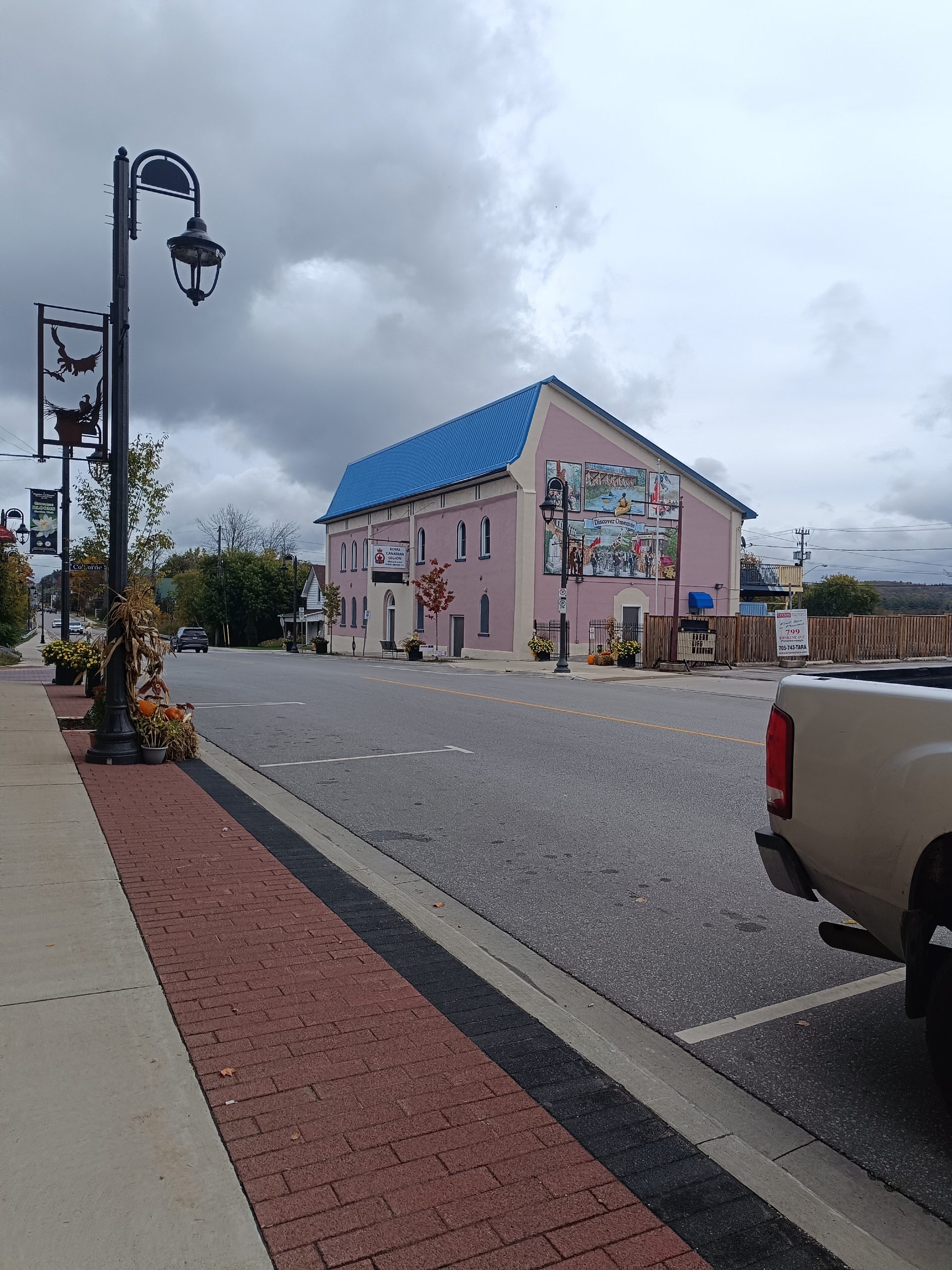
Before European colonization, the area along the Pigeon River was a long-standing hunting and camping ground for a family of the Mississaugas Anishinaabeg.
In the 19th century, Irish immigrants built a mill and a sawmill here; the town stood at a crossroads. People hunted, trapped fur-bearing animals, and fished in the surrounding forests, while grain was grown on the nearby land—producing goods for trade and food for the growing population.
Interestingly, he had many names -Williamstown (1835),Metcalfe (1840s),Omemee (1857).Because “Williamstown” and “Metcalfe” were being used by other towns in Ontario, postal confusion arose. The town permanently adopted Omemee, derived from the Mississauga word for “pigeon”—a nod to the local indigenous camp and the vast flocks of passenger pigeons that used to migrate through the river valley.
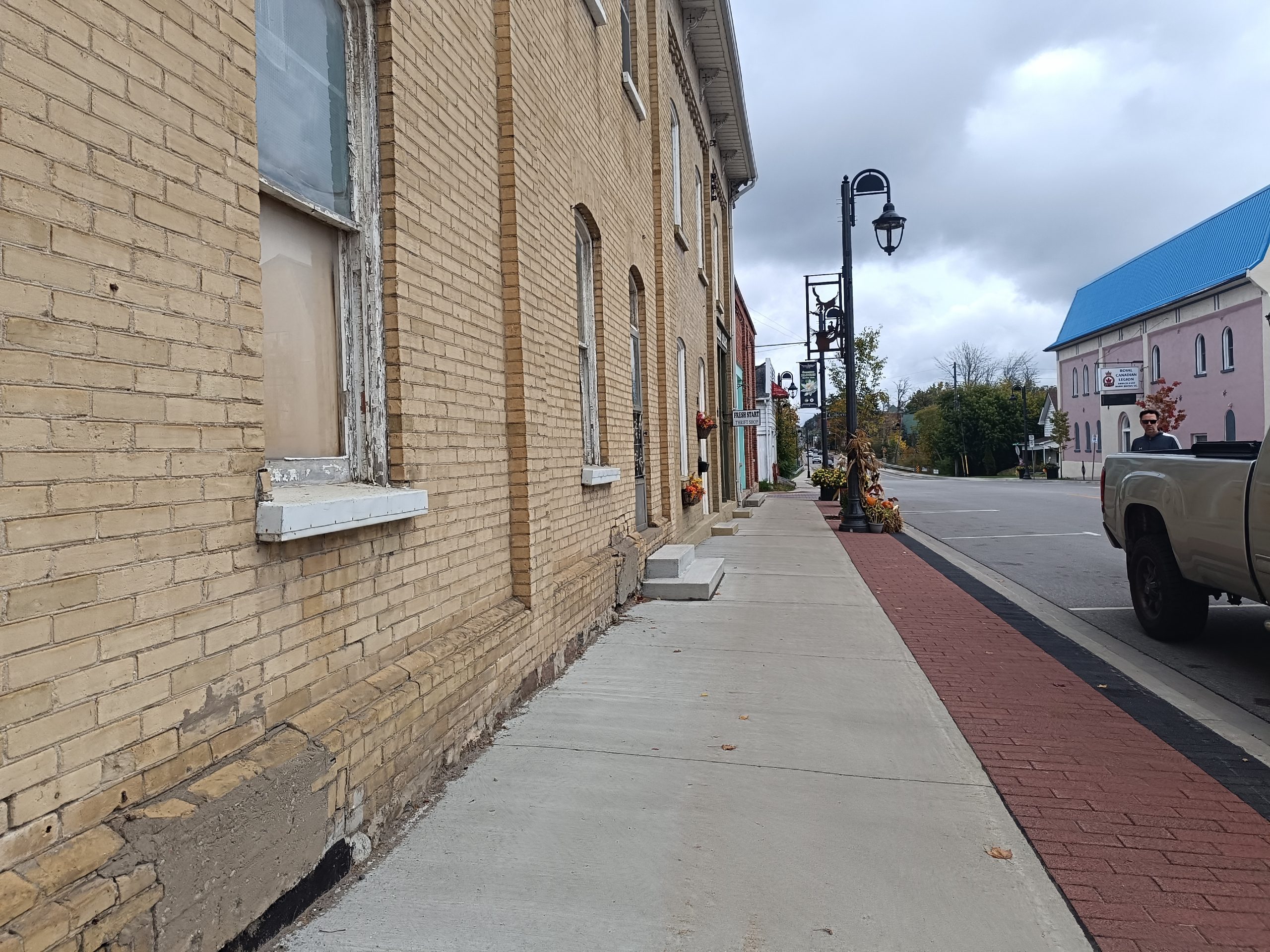
The greatest flourishing of industry and economy, which influenced the development of this city, like many other cities that have now almost disappeared, occurred in 1850-1870.However, industrialization and the concentration of industry in major cities led to an exodus of the local population; many factories closed, and the town’s population dwindled to just 467 people by 1920.
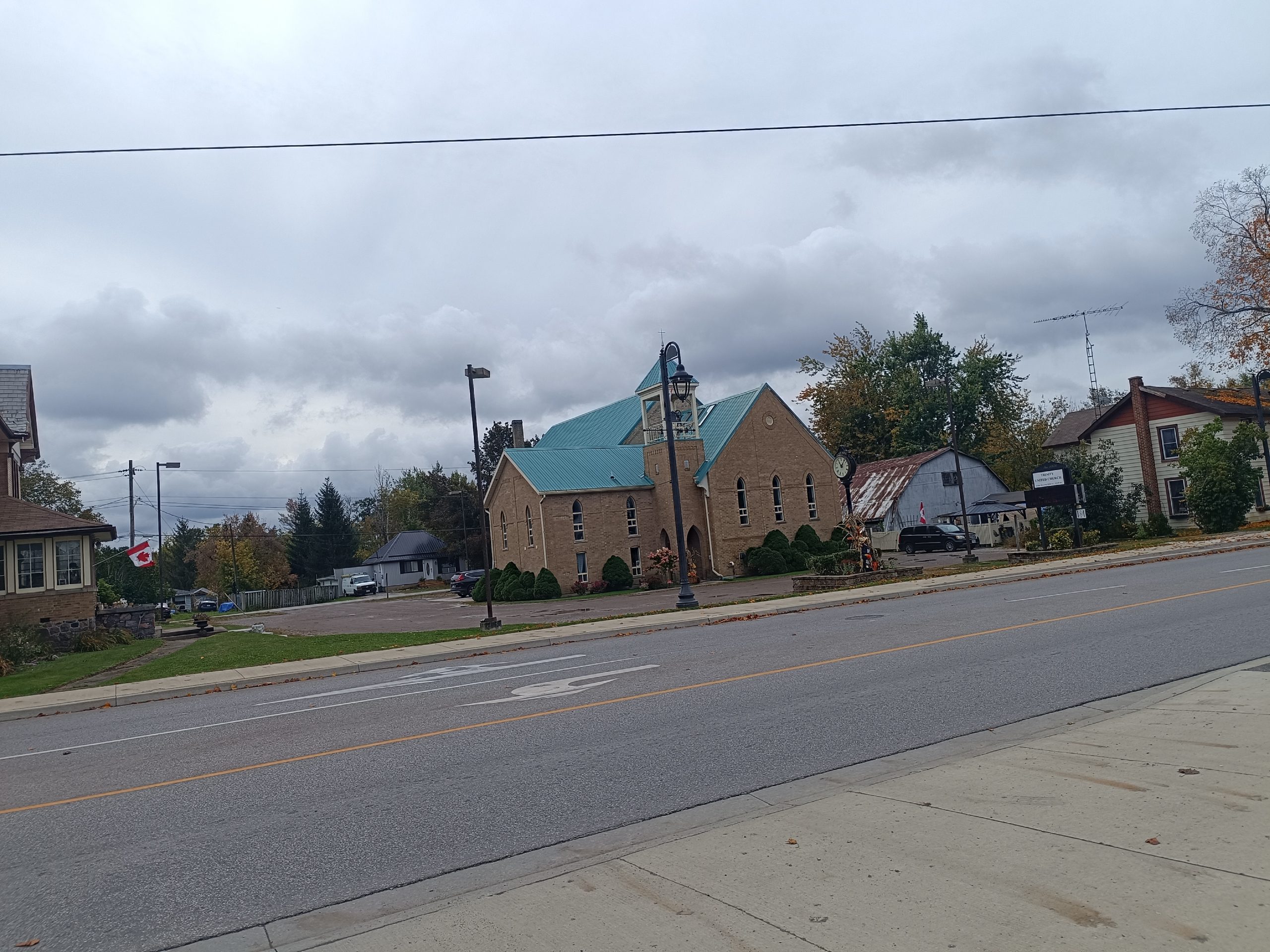
Today, it is a quiet town where pensioners lead a calm, unhurried life; people come for the summer cottage season, and there are also those who live there permanently while commuting to work in nearby cities.

I liked this little town right away, and I noticed that—even though it was early October and the trees were still green, so it didn’t quite feel like autumn yet given the weather this year—the residents were already getting ready for both Thanksgiving and Halloween.
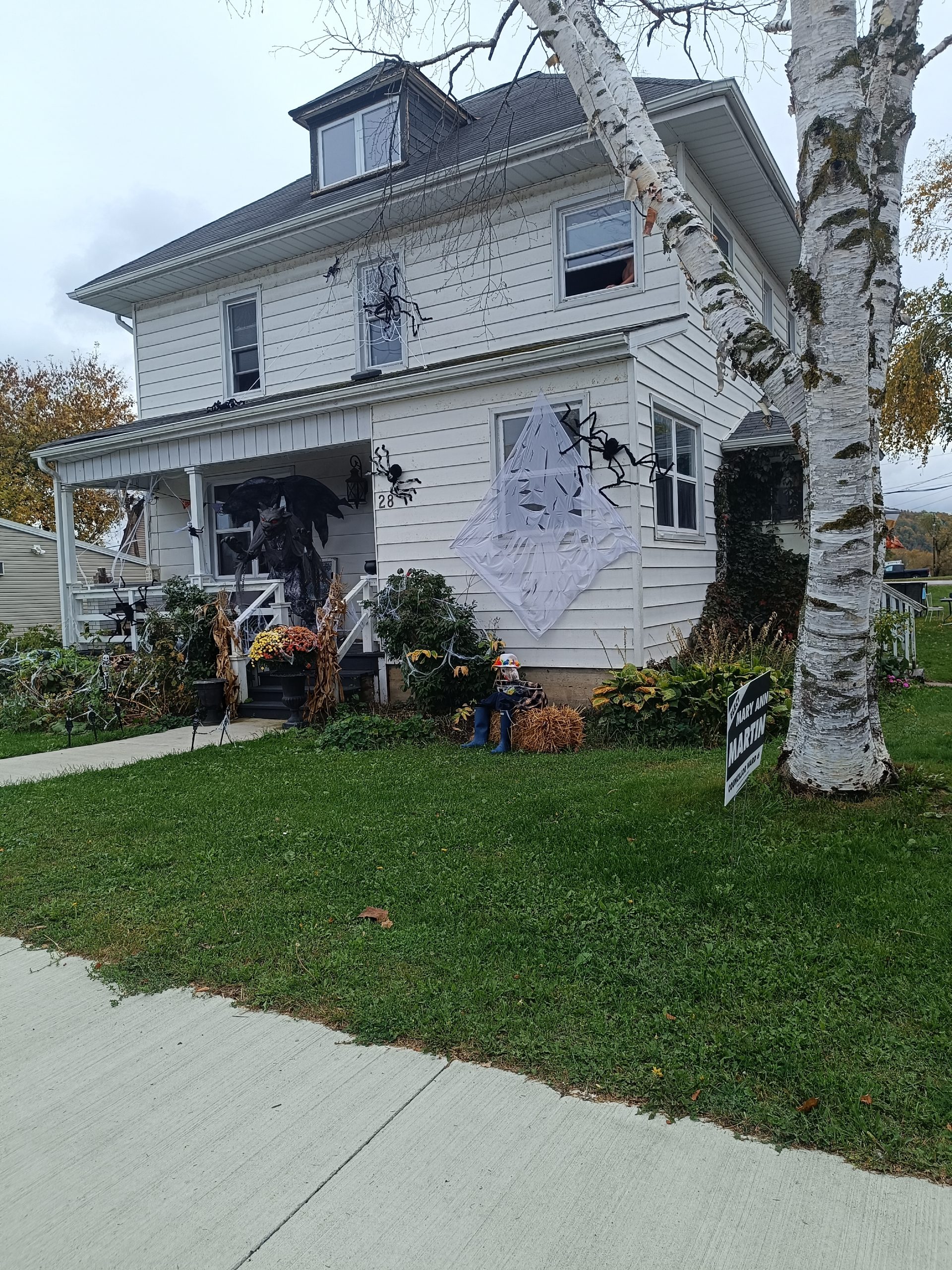
Something tells me that this is simply our spirit, our character. If you’re ever in Ontario, pay a visit here. Remember: Pigeon. It’s a beautiful little town Omemee with an interesting history, located right on Highway 7.